Bromide, a group of chemical compounds containing the bromide ion (Br⁻), has a wide range of applications in various industries. As a leading bromide supplier, I have had the privilege of seeing firsthand how this versatile chemical is used in different fields. In this blog post, I will explore the common uses of bromide and discuss why it is an essential component in many products and processes. Bromide

Pharmaceuticals
One of the most well – known uses of bromide is in the pharmaceutical industry. Historically, bromides were used as sedatives and anticonvulsants. Compounds such as potassium bromide and sodium bromide were commonly prescribed in the 19th and early 20th centuries to treat conditions like epilepsy and anxiety. Although modern medicine has largely replaced bromide – based sedatives with more effective and safer alternatives, bromide still plays a role in some pharmaceutical applications.
For instance, certain bromide – containing drugs are used in the treatment of specific neurological disorders. Bromide ions can modulate the activity of neurotransmitters in the brain, which can have a calming effect and help control abnormal neuronal firing. Additionally, some new drug research is exploring the potential of bromide derivatives in the development of novel therapeutic agents, particularly in areas related to pain management and mental health.
Photography
Bromide has been a staple in the photography industry for a long time. Silver bromide (AgBr) is a light – sensitive compound that has been used extensively in photographic films and papers. When exposed to light, silver bromide undergoes a photochemical reaction, where silver ions are reduced to metallic silver. This reaction forms the basis of black – and – white photography.
In traditional photographic processes, a thin layer of silver bromide emulsion is coated on a film or paper substrate. When the film or paper is exposed to an image, the areas hit by light cause the silver bromide to break down, leaving behind tiny silver particles. These silver particles form the visible image after the film or paper is developed. Even with the rise of digital photography, silver bromide – based products are still used in some specialized applications, such as fine – art photography and archival printing.
Water Treatment
Bromide is also widely used in water treatment. Bromide ions can be converted into hypobromous acid (HOBr) and hypobromite ions (OBr⁻) in water, which are powerful disinfectants. These compounds are similar in function to hypochlorous acid (HOCl), which is commonly used in chlorine – based water treatment.
Bromide – based disinfectants have several advantages over chlorine – based ones. They are more effective at higher pH levels and in the presence of ammonia. This makes them particularly suitable for treating water in swimming pools, spas, and cooling towers. In swimming pools, for example, bromide – based sanitizers can maintain a more stable disinfecting power, even when the water chemistry changes due to the presence of contaminants and bather loads.
Flame Retardants
One of the largest and most important uses of bromide is in the production of flame retardants. Brominated flame retardants (BFRs) are added to a variety of materials, including plastics, textiles, and electronics, to reduce their flammability. When a fire occurs, BFRs release bromine atoms, which react with free radicals in the flame. This reaction interrupts the combustion process and helps to slow down the spread of the fire.
There are different types of BFRs, each with its own set of properties and applications. For example, tetrabromobisphenol A (TBBPA) is widely used in the electronics industry to make printed circuit boards more fire – resistant. Decabromodiphenyl ether (DecaBDE) was also a commonly used BFR, although its use has been restricted in some regions due to environmental and health concerns. Despite these concerns, bromide – based flame retardants continue to be an important part of fire safety strategies in many industries.
Oil and Gas Industry
In the oil and gas industry, bromide – containing compounds are used in a variety of applications. One of the main uses is in drilling fluids. Bromide salts, such as calcium bromide and zinc bromide, are used to adjust the density of drilling fluids. These high – density fluids are essential for controlling the pressure in the wellbore during drilling operations.
Calcium bromide and zinc bromide solutions are also used in completion and workover fluids. They help to prevent the influx of formation fluids into the wellbore during these operations. Additionally, bromide – based chemicals can be used as corrosion inhibitors in oil and gas pipelines, protecting the infrastructure from damage caused by acidic and corrosive substances.
Analytical Chemistry
Bromide is used in analytical chemistry as a reagent. For example, bromide ions can be used in precipitation reactions to analyze the presence of certain metal ions. When a solution containing bromide ions is added to a solution containing silver ions, a white precipitate of silver bromide forms. This reaction can be used to quantify the amount of silver in a sample.
Bromide is also used in potentiometric titrations. In these titrations, the change in the concentration of bromide ions is measured using a bromide – selective electrode. This method is commonly used to determine the concentration of analytes that react with bromide, such as certain organic compounds containing carbon – carbon double bonds.
Chemical Synthesis
In chemical synthesis, bromide compounds are used as starting materials or intermediates. For example, alkyl bromides are important reagents in organic synthesis. They can be used in substitution reactions to introduce alkyl groups into other molecules. This is a fundamental reaction in the synthesis of a wide range of organic compounds, including pharmaceuticals, agrochemicals, and polymers.
Bromine itself, which can be derived from bromide salts, is also used in many chemical reactions. It can be used as a halogenating agent to introduce bromine atoms into organic molecules. This reaction is often used to functionalize organic compounds and to modify their chemical and physical properties.
Conclusion
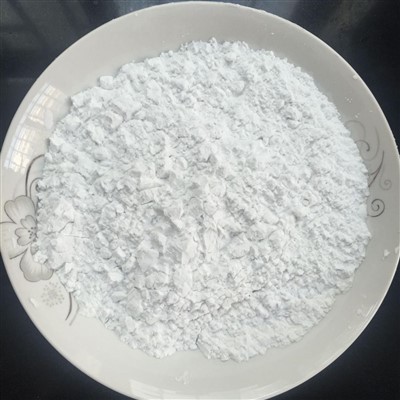
As a bromide supplier, I am constantly impressed by the diverse range of applications of bromide. From pharmaceuticals and photography to water treatment and flame retardants, bromide plays a crucial role in many industries. Its unique chemical properties make it an indispensable component in numerous products and processes.
Flame Retardant Masterbatch If you are interested in purchasing bromide products for your business, I encourage you to reach out to our team. We offer high – quality bromide compounds in various forms and purities to meet your specific requirements. Whether you are in the pharmaceutical, photography, water treatment, or any other industry, we can provide you with the right bromide solution. Contact us today to start a discussion about your bromide needs and explore how we can support your business.
References
- Atkins, P., & de Paula, J. (2006). Physical Chemistry. Oxford University Press.
- Carey, F. A., & Sundberg, R. J. (2007). Advanced Organic Chemistry. Springer.
- Kirk – Othmer Encyclopedia of Chemical Technology. Wiley.
- Lide, D. R. (Ed.). (2004). CRC Handbook of Chemistry and Physics. CRC Press.
Weifang Xinchang Chemical Materials Co., Ltd
As one of the leading bromide manufacturers and suppliers in China, we warmly welcome you to buy high quality bromide made in China here from our factory. Contact us for more details.
Address: No.58, Haitang Garden, Fushi Street, Luocheng Street, Shouguang City, Weifang City, Shandong Province, China
E-mail: sales@wfxcchemical.com
WebSite: https://www.wfxcchemical.com/
