Yo, what’s up! I’m a supplier of nonferrous metals, and today I wanna chat about the optical properties of these awesome materials. Nonferrous metals are pretty much metals that ain’t iron or steel, and they’ve got some really cool optical characteristics that are super important in a bunch of industries. Nonferrous Metals

Let’s start with reflectivity. Reflectivity is how well a metal bounces back light. Nonferrous metals like aluminum and silver are known for their high reflectivity. Aluminum, for example, is used a lot in things like reflectors for lights. It can reflect a large amount of visible light, which makes it great for applications where you need to direct light in a certain way. Silver, on the other hand, is even more reflective. It’s often used in mirrors because it can reflect almost all the light that hits it. This high reflectivity comes from the way the electrons in these metals interact with light. When light hits the metal, the electrons absorb the energy and then re – emit it, sending the light back out.
Another key optical property is absorption. Different nonferrous metals absorb light in different ways. Copper, for instance, has a characteristic reddish – brown color because it absorbs certain wavelengths of light more than others. When white light hits copper, the metal absorbs some of the blue and green wavelengths, and the remaining light that gets reflected gives copper its distinct color. This absorption property is also related to the electronic structure of the metal. The electrons in copper are arranged in such a way that they interact with specific wavelengths of light, causing absorption.
Transmission is also an aspect to consider, although it’s not as common in nonferrous metals. In general, metals are opaque, which means they don’t let light pass through them. However, in some cases, very thin layers of nonferrous metals can transmit a small amount of light. For example, gold can be made into extremely thin films, called gold leaf. These thin gold films can transmit a small amount of light, and the transmitted light has a characteristic greenish color. This is because gold absorbs some of the red and yellow wavelengths and allows the green wavelengths to pass through.
Now, let’s talk about how these optical properties are used in real – world applications. In the electronics industry, the reflectivity of nonferrous metals is crucial. For example, in semiconductor manufacturing, aluminum is used for interconnects. The high reflectivity of aluminum helps in the process of photolithography, where light is used to pattern the semiconductor chips. The reflective surface of the aluminum can help direct the light accurately, ensuring that the patterns are formed correctly.
In the jewelry industry, the color and luster of nonferrous metals are of utmost importance. Gold, silver, and platinum are all nonferrous metals that are highly valued for their beautiful appearance. The way these metals reflect and absorb light gives them their unique shine and color. For example, the bright white color of platinum makes it a popular choice for engagement rings. The optical properties of these metals make them not only aesthetically pleasing but also durable.
In the automotive industry, nonferrous metals are used for both aesthetic and functional purposes. Aluminum is used in car bodies because of its light weight and good reflectivity. The reflective surface of aluminum not only gives the car a sleek look but also helps in heat management. The high reflectivity of aluminum can reflect a significant amount of sunlight, reducing the amount of heat that is absorbed by the car.
As a nonferrous metals supplier, I know how important it is to understand these optical properties. When customers come to me looking for specific metals, I can use my knowledge of these properties to recommend the right material for their needs. For example, if a customer is working on a project that requires a highly reflective surface, I can suggest aluminum or silver. If they need a metal with a specific color, I can recommend copper or brass.
I’ve seen firsthand how these optical properties can make or break a project. For instance, a customer once came to me for a material to use in a lighting fixture. They needed a metal that could reflect light efficiently. I recommended aluminum, and it turned out to be the perfect choice. The final product had a great lighting effect, and the customer was really happy with the result.
If you’re in an industry that uses nonferrous metals and you’re looking for a reliable supplier, I’m here for you. Whether you need a metal with high reflectivity for a lighting project, a metal with a specific color for jewelry, or a lightweight metal for automotive applications, I can help you find the right nonferrous metal. I’ve got a wide range of nonferrous metals in stock, and I can provide you with samples so you can test the optical properties for yourself.
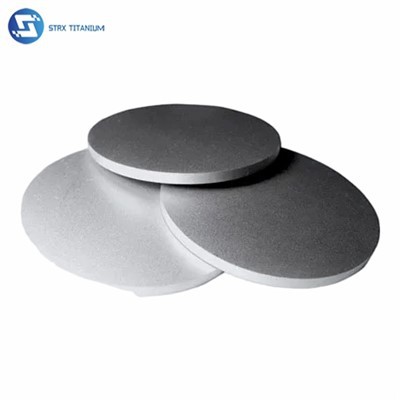
So, if you’re interested in purchasing nonferrous metals for your project, don’t hesitate to reach out. Let’s have a chat about your requirements, and I’m sure we can work together to find the perfect solution. Whether it’s a small – scale project or a large – scale industrial application, I’ve got the knowledge and the resources to meet your needs.
Titanium Pipe Fitting References
- "Introduction to Materials Science for Engineers" by James F. Shackelford
- "Metals Handbook: Properties and Selection: Nonferrous Alloys and Pure Metals" by ASM International
Shaanxi STRX Metal Material Co., Ltd.
As one of the leading nonferrous metals manufacturers and suppliers in China, we warmly welcome you to buy high quality nonferrous metals for sale here from our factory. Good service and reasonable price are available.
Address: Room 310, Giant Whale MakerSpace, High-techDevelopment Zone,Baoji City, Shaanxi Province
E-mail: info@strx-titanium.com
WebSite: https://www.strx-titanium.com/
