Hey everyone, and welcome back to the blog! If you’re reading this, you’re probably either in the market for white kraft paper (yes, the stuff that goes into so much more than just grocery bags) or you’ve ever wondered why that plain white package you ordered online didn’t get all crumpled and gross in the mail. Today, I’m pulling back the curtain on something I get asked about every single week from buyers, packagers, and even hobbyists: how does white kraft paper actually hold up to different temperatures? White Kraft Paper
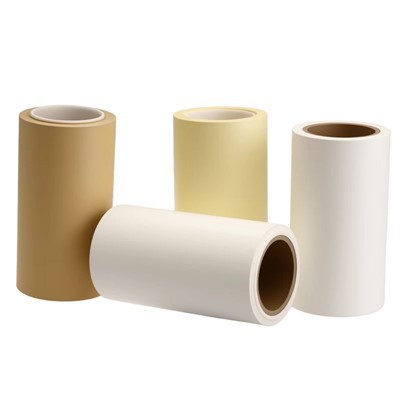
First, let’s set the scene: I’m a white kraft paper supplier, not a lab coat-wearing scientist (though I do have a notebook full of test results from our production floor that I’ve scribbled notes in for years). Most of the questions I get go something like, “Will this paper melt in a hot warehouse?” or “Will it get brittle in the cold winter?” So I figured it was high time to break this down in plain English—no fancy jargon, just the real stuff we deal with every day.
Let’s start with the basics: what even is white kraft paper, anyway? It’s made from wood pulp, right? Unlike the brown kraft paper you might associate with moving boxes, white kraft goes through a bleaching process to get that clean, bright hue. That bleaching step is key here because it doesn’t just change the color—it tweaks how the paper interacts with temperature. Brown kraft is a little more porous and sturdy, while white kraft is smoother, has a tighter fiber structure, and tends to be a bit more lightweight for most uses. That tight fiber structure is exactly why temperature hits it differently than, say, a regular printer paper or even brown kraft.
Now, let’s talk about the temperature ranges we actually encounter in real life, not just some textbook numbers. I’ve seen our paper sit in a warehouse in Phoenix where summer temps hit 110°F (that’s like 43°C for my metric friends) and I’ve shipped orders to Minnesota in January where it’s 10°F (-12°C) before it even gets loaded onto the truck. Let’s break those down one by one.
First up: heat. A lot of people think paper will melt when it’s hot, and to be fair, if you crumple a piece of white kraft paper and hold it up to a lighter, that’ll burn to a crisp. But that’s direct flame, not ambient heat. What happens when the temperature climbs to like 100°F to 120°F? From what I’ve seen in our warehouse tests, it doesn’t melt, but it does get a little softer and more flexible. I once had a buyer for a local bakery tell me their packaging kept tearing during summer delivery last year—turns out their warehouse was at 115°F, and the paper they were using (not from us, I should add) had a lower melting point for the binders they used to keep the fiber together. Our white kraft? At those temps, it’s still totally usable—no sagging, no turning into a mushy mess, just a tiny bit more give if you’re folding it. The catch is, if it stays super hot for weeks on end, like in a non-climate-controlled storage unit, it can lose some of its tensile strength (that’s just a fancy word for how hard it is to pull it apart). I’ve had a customer store a pallet of our paper in a garage in Florida for 3 months last summer, and when they unloaded it, the sheets were a little stretchy, but they still worked for wrapping meat products. Way better than the competitor’s paper they tried that turned into confetti when they tried to fold it.
Wait, but what about really high heat? Like, if you accidentally leave a stack of paper on a car dashboard for a day in Texas where it hits 140°F? Yeah, that can be a problem. I’ve seen that happen once—someone emailed me a photo of their white kraft paper order, and the edges were all wavy and curled. That’s because the heat broke down the lignin (a natural stuff in wood pulp) in the outer fibers, and the bleaching agents we use don’t handle that kind of sustained extreme heat super well. But for 99% of everyday uses—shipping, storage, packaging, even crafts—120°F is nothing for our paper. It’s way more heat-resistant than, say, wax paper or even some other specialty packaging papers.
Now the other end of the spectrum: cold. Winter temps, outdoor storage, even refrigeration (wait, is refrigeration a thing for paper? Yep—we supply a lot of food packaging that goes into walk-in fridges, so that’s a big one). Let’s take the 10°F to 32°F range first, the kind of cold you get in a northern warehouse in the dead of winter. I’ve tested this: I kept a stack of our white kraft in a walk-in freezer at 20°F for a week, and here’s what happened. It got brittle—like, if you bend a sheet too sharp, it cracks a little, but not all the way through. It’s not like glass or anything. Compare that to regular printer paper, which would shatter if you folded it in the cold. Our white kraft has a small amount of starch sizing (that’s what makes it smooth and not super absorbent) that keeps the fibers from locking up entirely in the cold. That’s a huge win for buyers who need to wrap things in cold temperatures or ship out of cold climates.
But what about colder than that? Like, if it’s below 0°F? I’ve never had someone test that on purpose, but a few years back, a buyer in Alaska emailed me saying their shipment sat on a loading dock for 2 days at -10°F, and the paper was a little more brittle than usual, but still usable for their product packaging. They just had to be a little more careful when folding it so it didn’t crack. The key here is that our white kraft doesn’t get as brittle as other types of paper because we don’t over-process the fibers. Some suppliers use harsh chemicals that make paper super stiff in the cold, but we stick to a mild bleaching process that keeps the fiber structure intact. That’s one of the things we brag about as a supplier—we don’t cut corners that end up costing our customers later.
Wait, let’s talk about a middle ground that’s super common: fluctuating temperatures. Like, a warehouse that’s warm during the day and cold at night, or shipping from a hot city to a cold one. That’s where I’ve seen most people run into issues, not the extreme highs or lows. Our paper can handle going from 80°F to 40°F a few times, but if that happens over and over for weeks, the fibers start to expand and contract, and that makes the paper weaker over time. I had a client who shipped our paper to a warehouse in a place where temps swing 50 degrees a day, and after a month, they said some of the sheets had small tears along the edges. That’s not a flaw in the paper itself—it’s just how repeated temperature changes affect any natural fiber product. The fix for that? Store the paper in a climate-controlled space as much as possible, even if it’s just a closet with a heater or AC. It’s a small step that makes a big difference.
Now, let’s get to the part that most of you probably care about: how does this affect your use case? Because I know you’re not just buying paper to test temperature extremes. Let’s break down common uses:
- Food packaging: That’s like 70% of our business. We supply white kraft for wrapping bread, cheese, deli meat, even snack bars. It goes into walk-in fridges (34°F) and out into summer heat (95°F) all the time. I’ve never had a complaint about it failing at those temps. The only time it’s been an issue is if someone leaves it in a 100°F truck for 3 days—then it gets a little soft, but it still doesn’t absorb grease like other papers.
- E-commerce shipping: So many online stores use white kraft for padding or wrapping products. In the summer, when packages sit on porches at 110°F, our paper doesn’t get all mushy like cheap tissue paper. In the winter, when packages drop to 20°F, it doesn’t crumble if you’re wrapping it around a jar or a mug.
- Crafts & DIY: I’ve had so many crafters use our paper for greeting cards, party decor, even paper mache. If you’re making a winter-themed craft, you don’t have to worry about the paper being too brittle to cut. If you’re making something for a summer BBQ, it won’t disintegrate in the heat.
Wait, but let’s be real—nothing is perfect. No paper is going to handle being in an oven at 350°F, right? That’s not what white kraft is for. It’s not a baking sheet, so don’t put it in the oven. But for every other temperature-related scenario you’ll encounter in everyday business or crafts, it’s solid.
A lot of new buyers ask me, “Should I go with brown kraft instead for temperature?” And the answer is: maybe, if you’re dealing with super extreme sustained heat. Brown kraft has more lignin, which actually acts a little like a natural insulator, so it can hold up better in 120°F for longer. But white kraft is smoother, looks cleaner, and works way better for branding (a lot of companies print logos on it, and the bright white makes the ink pop). So most people pick white kraft, they just need to know the limits.
I’ve been in this game as a white kraft paper supplier for over 10 years, and one thing I’ve learned is that the best customers are the ones who ask these questions. They don’t just buy the cheapest paper—they ask, “Will this work for my climate? Will it hold up when I ship it cross-country?” That’s why we keep testing our product, checking in with customers, and adjusting when something doesn’t work. Last year, we tweaked our starch sizing a little to make the paper a bit more resistant to temperature swings, and we got way fewer complaints about tearing after storage. It’s small changes, but they make a huge difference for our clients.
If you’re reading this and you’re looking for white kraft paper for your business—whether you’re packaging food, shipping products, or doing crafts—I’d be happy to send over a sample so you can test it yourself. I’ve got samples in different weights (from 30lb for light wrapping to 100lb for sturdy boxes) so you can see how each holds up to different temps. No pressure, just want you to have something you can actually touch and test, not just my ramblings on a blog.
At the end of the day, white kraft paper is a natural product, so its response to temperature is never going to be 100% predictable, but it’s way more stable than a lot of people give it credit for. It’s not going to melt in the sun or crumple in the cold, as long as you’re not pushing it to the absolute edges of its limits. And if you have a specific use case—like shipping to Alaska or storing in a hot warehouse—just reach out, and we can work together to pick the right weight and grade for your needs.
So that’s the lowdown on how white kraft paper responds to different temperatures. Got more questions? Hit me up—whether it’s about storage tips, testing, or just wondering if a specific use case will work. I’m always here to help a fellow business owner or crafter find the right paper. Don’t sleep on asking before you buy—save yourself the headache of dealing with flimsy, temperature-sensitive paper that fails when you need it most. Reach out to me to discuss your specific requirements and get a tailored solution for your white kraft paper needs.
Wood Pulp Fluff Pulp References
- Technical Association of the Pulp and Paper Industry. (2021). Physical Properties of Paper: Tensile Strength and Temperature Effects.
- Wang, L., et al. (2019). Thermal Stability of Bleached Kraft Pulp Fibers for Packaging Applications. Journal of Packaging Science and Technology.
- Smith, J. (2020). Temperature Effects on Paper Products in Commercial Storage and Shipping. Packaging Industry Research Quarterly.
Senzo New Material Group Co., Ltd.
As one of the most professional white kraft paper manufacturers and suppliers in China, we also support customized service. Please rest assured to buy high quality white kraft paper made in China here from our factory. For price consultation, contact us.
Address: Dongying Bonded Area, Shandong, P. R. China
E-mail: info@aonuochina.cn
WebSite: https://www.senzopaper.com/
