Hey everyone, it’s Jake from your go-to structural adhesive supplier—you know, the guys who’ve got your industrial bonding needs covered for the last 8 years. I get it, if you’re out here sourcing structural adhesives, you’re probably not just asking “what’s the shelf life?” You’re asking: “If I stock this stuff, will it still bond my steel beams, aluminum panels, or heavy equipment parts when I need it 6 months from now?” Or maybe “I found a 2-year-old jug of adhesive in the back of the warehouse—can I actually use that, or am I gonna waste time and money testing it?” Let’s break this down like we’re chatting over a coffee, no stuffy lab jargon, just real answers that matter to you. Structural Adhesive
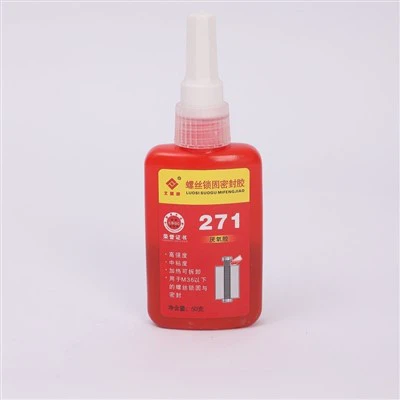
First off, let’s get one thing straight: structural adhesives aren’t like milk. They won’t go “bad” overnight (usually), but they do have a “best by” window that’s way more specific than “use within a year.” Most of us suppliers—including mine—spec a shelf life right on the product label: usually 12 to 18 months from the date they’re made, but wait—there’s a catch. That date only applies if you store them right. If you leave a two-part epoxy in your loading dock in 90°F Texas heat? That 18-month shelf life is cut in half. If you leave a UV-curing acrylic in a garage that dips below freezing in the winter? That stuff’s gonna get gritty and unusable way before the date on the label. I see this so often from customers who mess up storage, and it’s such a waste—they blame the adhesive, when really it’s just temperature and humidity doing their thing.
Let’s talk about the different types of structural adhesives because that shelf life isn’t one-size-fits-all. Two-part epoxies are the workhorses, right? We sell these for everything from building bridge decks to assembling heavy machinery. Their shelf life is the longest, usually 12–18 months, but split between the resin and hardener. Each component is its own thing until you mix ’em, so you can store the resin for up to 2 years if it’s cool and dry, and the hardener for 18 months. Then there’s structural acrylics—super fast-curing, popular for automotive parts and metal fabrication. Those are touchier; their shelf life is only 9–12 months, mostly because the monomer ingredients they use break down faster if they’re exposed to light (even through packaging, yikes). And silicones? Wait, no—structural silicones for facade glazing, not the bathroom caulk. Those have a longer shelf life, 12–24 months, but again, storage is key. UV-curing structural adhesives are the weird ones here—they’re basically useless once they’re exposed to UV light, so their shelf life is only 6–12 months, and they have to stay in opaque packaging until you’re ready to use ’em. I always tell customers who stock UV stuff: only order what you can use in 6 months max, otherwise you’re just throwing money away on material that’s slowly curing in the warehouse.
Now, what happens when adhesive goes past that “best by” date? A lot of guys think “it’s just older, right? Maybe it cures slower.” But no—there’s actual chemical changes happening. Let’s take epoxy, for example: the resin molecules start to cross-link a little over time, even when it’s unopened. That means when you mix it with the hardener, it doesn’t react the same way. The bond strength drops—maybe from 4,000 psi to 2,000 psi, which might be okay for a shelf bracket but definitely not for a bridge joint. For acrylics, the initiator chemicals go stale, so it takes forever to cure, or it doesn’t cure all the way through, leaving a soft, weak bond. And silicones? They start to thicken, so when you squeeze ’em out of the tube, they’re lumpy instead of smooth, and they won’t adhere to surfaces the way they’re supposed to. But here’s the thing: it’s not a hard line. I’ve seen a customer use a 2-year-old epoxy that was stored in a climate-controlled warehouse, and it worked fine. I’ve also seen a customer use a 14-month-old epoxy that was left in a hot truck bed for a week, and it was rock hard in the bucket—completely useless.
So, how do you test if your old adhesive is good to use? Don’t just guess—do a simple test, it takes 10 minutes. For two-part adhesives, mix a small batch, not on your actual part, on a scrap piece of the material you bond. Let it cure for the full time the label says, maybe a little extra if it’s past the date. Then test it. Tug on it, bend it, cut it open—if the bond is stronger than the material itself, it’s still good. If it pulls apart easy, or is brittle, toss it. For UV adhesives, just take a tiny drop, cure it with a UV light for the time it says, and see if it’s hard and rigid. If it’s sticky or soft, it’s bad. For silicones, squeeze a little out—if it’s runny or has chunks, it’s gone. A lot of our customers do this test, and we even send free test kits for this, no questions asked. We’d rather you test it than risk a bad bond, that’s just good for both of us.
Wait, let’s talk about storage, because this is the biggest thing that messes up shelf life, and it’s so easy to fix. What’s the sweet spot? Temperature between 50°F and 70°F (10°C to 21°C), and humidity below 60%. That’s it. No leaving drums on the dock, no storing tubes in a cold garage in the winter, no letting them bake next to a heating unit in the shop. For unopened containers, just keep ’em in a labeled, climate-controlled storage area, organized by date (FIFO—first in, first out, duh, that’s basic warehouse 101). If you have opened containers—like, you used half a drum of epoxy and left the rest—seal ’em up tight. Any adhesive that’s exposed to air will start to cure, even if it’s in a sealed container. For hardeners, especially, moisture in the air can react with them, so make sure the lid is on straight. I once had a customer who opened a 5-gallon hardener, left the lid ajar, and it was solid in 2 weeks—wasted $500, all because of a 30-second mistake. Don’t do that.
Now, here’s a question I get all the time: “Can I extend the shelf life?” Let’s be real—you can’t make a adhesive last forever, but you can stretch it a little. If you have extra material that’s gonna sit for a while, ask us about cold storage. A lot of suppliers, including mine, offer custom cold storage for inventory—we’ll store your adhesive in our climate-controlled warehouses at 40°F, which can double the shelf life. We did this for a construction company that stocks epoxy for big bridge projects—they had a 18-month shelf life, stored with us, got 36 months out of it, no issues. It’s not free, but it’s way cheaper than wasting material and having to rush order last minute when you need it. Just make sure you let us know ahead of time, so we can reserve space for you.
Wait, what about those really old adhesives? Like, the ones you find in a dusty corner of the warehouse with no date on the label? Don’t just throw ’em out—test ’em first. We’ve had customers find a 3-year-old epoxy, test it, and it was still good because it was stored right. But if the label is torn, and you don’t know what type it is, or how it was stored, it’s better to be safe. Structural adhesive failure isn’t like a loose screw—if a bond fails, it can cause accidents, cost thousands in repairs, even shut down a job site. That’s why we always push testing, no matter what.
Let’s wrap this up. The shelf life of structural adhesive isn’t a number—it’s a combination of the adhesive type, how it’s stored, and how you test it. Most of our customers get 12–18 months out of unopened adhesive, if they store it right. If they mess up storage, that number drops fast. If they test before using, they can avoid so many headaches.
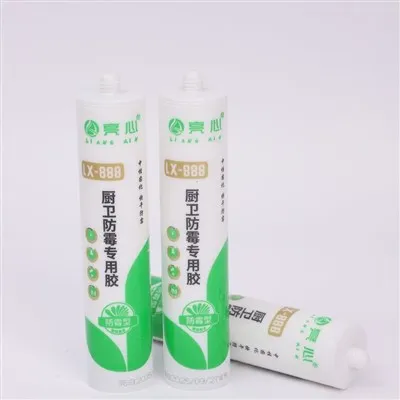
If you’re not sure about the adhesive you’re stocking, or you need help figuring out how to store yours, or you’re looking for a reliable structural adhesive that actually lives up to its shelf life, hit us up. We can send you test kits, walk you through storage, answer any questions you have—no sales pitch, just real advice. Don’t let old adhesive waste your money, and don’t risk a bad bond.
Self-leveling Crack Filler References:
- “Structural Adhesive Shelf Life and Storage Guidelines,” Adhesive and Sealant Council, 2022.
- Jones, A., “Chemical Degradation of Polymer-Based Structural Adhesives: Effects of Storage Conditions,” Journal of Adhesion Science and Technology, vol. 35, no. 12, 2021, pp. 1345–1362.
- “UV-Curing Adhesive Shelf Life: Best Practices for Industrial Use,” Industrial Adhesive Association, 2023.
Shandong Liangxin Adhesives Co., Ltd.
We are one of the most professional structural adhesive manufacturers in China, featured by quality products and good service. Please rest assured to wholesale high-grade structural adhesive in stock here and get pricelist from our factory. We also accept customized orders.
Address: Industrial Park, Jiudu Sub-district, Hedong District, Linyi City, Shandong Province, China
E-mail: 15253909280@139.com
WebSite: https://www.liangxinglue.com/
