If you’re running a business that relies on clean, consistent pure water—whether that’s a café, a medical lab, a small food processing plant, or even a local gym’s water bottle refill station—one question that’s probably bugged you more than once is: How long does a pure water system actually last? Pure Water System
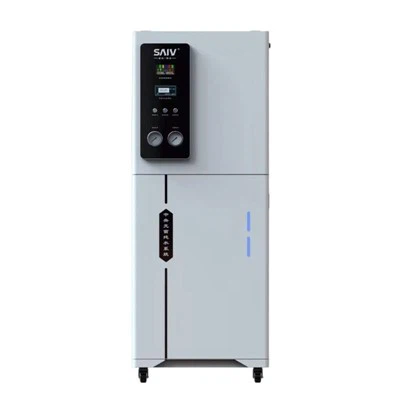
I get it. When you’re dropping cash on a new system, you want to know how long it’ll work without giving you headaches, without costing you a fortune in repairs, and without forcing you to scramble to find a replacement right when you need it most. As a pure water system supplier who’s been at this for over 12 years, I’ve talked to hundreds of customers who’ve asked the same thing, and the answer isn’t a one-size-fits-all number. It depends on a bunch of factors you might not even think about when you’re first looking at systems. Let’s break this down, no boring industry jargon, just straight talk.
First, let’s start with the basics: what makes a pure water system work, and why does its lifespan vary so much? Most residential and commercial pure water systems are made up of a few core parts: a pre-filter (that catches big gunk like sediment, rust, or sand), a reverse osmosis (RO) membrane (the thing that actually filters out 95-99% of contaminants), a carbon filter (that takes care of chemicals like chlorine or weird tastes), and a storage tank for the purified water. Each of these parts wears out at a different rate, and how you use your system, maintain it, and even where you live will shift those timelines big time.
Let’s talk about use first. This is the biggest one, hands down. If you’re a small office that only uses 5-10 gallons of purified water a day for drinking and coffee, your system’s going to last way longer than a 24/7 car wash that uses 500 gallons an hour to rinse vehicles. More water flow means more strain on every part. The pre-filter has to catch more sediment more often, so it clogs faster. The RO membrane has to push more water through its tiny pores, so it wears out quicker. I’ve seen a system installed in a dentist’s office that runs 8 hours a day on patient water and sanitization last 7 years, while a similar system set up at a busy food truck that’s on 12 hours a day needed a new RO membrane after 2. That’s not a fluke—usage is everything.
Then there’s water quality where you’re located. If your water supply is super soft, low in minerals, and has barely any sediment, you’re in great shape. But if your water’s hard, has high levels of iron, manganese, or chlorine (common in old municipal lines), or even has a lot of minerals that build up scale in pipes, that’s a killer for your system. A pre-filter that’s supposed to last 6 months might only last 2 if your water has tons of sand in it. I had a customer in a rural area with well water that had a ton of iron—his first pre-filter started clogging in 3 weeks. We added an extra iron filter, and suddenly his pre-filters were lasting 5 months, which is standard. The RO membrane? If your water has way more contaminants than average, it’s working overtime, so it’ll die a lot sooner. I’ve heard of systems in areas with extremely high chlorine that needed membrane replacements in 1 year instead of the usual 2-3.
Now, what about the brand and build quality of the system itself? Let’s be real here: not all pure water systems are made equal. The cheap no-name systems you see on Amazon or at a big box store? They use thin, flimsy plastic parts, low-quality membranes, and generic filters that don’t do a great job of protecting the core components. Those might last 2-3 years max, and a lot of times they break down halfway through, forcing you to buy a whole new system sooner. The systems we supply are built with heavy-duty, commercial-grade parts—stainless steel tanks, thick pre-filters, NSF-certified membranes that are made to handle consistent use. I’ve had a system we installed in a small bakery in 2014 still running strong last year, just needing regular filter changes and a new membrane in 2019. Compare that to the cheap system they had before, which broke twice in its first 18 months.
Maintenance is the other big one. I don’t care how good your system is—if you skip changing the filters like clockwork, it’s going to die way faster. The pre-filter and carbon filters are supposed to be changed every 6-12 months, depending on usage. If you leave a clogged pre-filter on, it doesn’t let water flow properly, so the RO membrane has to work harder, wearing it out faster. And if your carbon filter is old, it stops catching chlorine and chemicals, which can actually damage the RO membrane over time. I’ve seen customers wait a year to change their pre-filters, and their RO membrane failed in 18 months instead of 3. On the flip side, a customer who changes their filters every 6 months without fail might get 5-7 years out of their whole system. Also, flushing the system regularly—something we teach all our customers to do—helps keep buildup from forming inside the lines and tank, which prevents leaks and clogs.
Wait, what about the parts vs the whole system? A lot of people mix this up. The pre-filters and carbon filters are “consumables,” like the oil in your car—you have to replace them regularly. Those typically last 3-12 months, depending on the factors we talked about. The RO membrane is the heart of the system, and that usually lasts 2-5 years for commercial use, 3-5 for residential (but residential usage is way lower, so that makes sense). The storage tank? That’s a big one. Most plastic storage tanks last 10-15 years, but sometimes they get pinhole leaks if water has a lot of minerals or if you’ve had pressure issues. The whole system’s lifespan, meaning until you need to replace major parts or the whole thing, is usually 5-10 years for commercial systems, 8-15 for residential? Wait, no—actually residential systems might be lower if you use a lot, but commercial depends on usage. Wait, let me correct that: I’m talking about average numbers here, not extremes. For a typical small commercial system (10-20 gallons a day, like an office or small café), you can expect the main parts (membrane, filters, tank) to last 5-7 years with good maintenance. A high-use commercial system (50+ gallons a day, like a restaurant or car wash) is more like 3-5 years. Residential systems, which usually use 2-5 gallons a day, often last 7-10 years, sometimes more if they’re not run super hard.
But here’s the thing: a system that runs for 10 years isn’t always a good system. I’ve seen a system from a big discount store that died at 2 years because no one maintained it, and another of our systems that’s still going at 11 years because the customer stuck to a maintenance schedule. Also, when a system gets old, you might not need to replace the whole thing—just the worn parts. But if parts start failing a lot, and it’s costing you more in repairs than it would to upgrade, that’s when you think about a new system.
Let’s get into some real examples, because numbers are easier to wrap your head around. Last year, we had three customers in similar businesses, within 10 miles of each other, all with similar-sized systems. First: a small gym that only uses purified water for their water bottle refill station, 10 gallons a day max. They change filters every 8 months. Their RO membrane is 4 years old, the tank is 7 years old, and the whole system is working perfectly—no major repairs needed. Second: a local sandwich shop that uses 30 gallons a day for making cold drinks and washing produce. They change filters every 6 months, missed one change last year. Their membrane is 3 years old, tank is 5 years, had one small leak fixed last month. Third: a busy coffee shop that uses 60 gallons a day, runs 12 hours, changes filters every 5 months, and forgot to flush the system during a holiday break. Their membrane failed at 2.5 years, tank has a small leak at 4 years. That’s exactly the pattern we see all the time.
Now, what can you do to make your pure water system last as long as possible? Let’s list the actionable stuff, not just vague tips. First, track your usage. If you’re not sure how much water you’re using a day, check your system’s output for a week. That way you know how often you should change filters. Second, stick to a filter schedule. We send automated reminders to all our customers, so you don’t have to remember—no more skipping a change because you’re busy. Third, get your water tested every year. That’ll tell you if there are contaminants you don’t know about (like iron or chlorine) that are wearing out your system. Fourth, if you’re a commercial user, get a professional to do a tune-up once a year. We offer these for our customers, and it’s way cheaper than replacing a membrane early. Fifth, don’t ignore warning signs. If your purified water starts tasting weird, or the pressure drops, that’s a sign something’s off—don’t wait until the system dies completely.
Wait, one thing people don’t talk about is installation. If your system’s installed wrong, it’ll never last as long. For example, if the RO membrane isn’t pressurized correctly, it’ll wear out way faster. If the pre-filters are too small for your water usage, they’ll clog in days. That’s why working with a supplier who does proper installation is huge—we don’t just drop off a system and leave, we set it up, test it, and show you how to maintain it. A lot of customers who bought cheap systems online had to call us later because the installation was wrong, and their system was failing early.
Now, let’s bust a common myth: some people think that if a system is still producing water, it’s working fine. But a system that’s past its prime might be letting more contaminants through, even if it’s still running. For example, an old RO membrane might not filter out 90% of arsenic like it should—more like 70%, which can be a problem if you use pure water for medical purposes, food, or drinking. So it’s not just about how long it runs, but how well it runs. That’s why it’s important to replace parts when they’re due, not just when the system breaks.
So putting it all together, what’s the real answer to “How long does a pure water system last?” It’s 2 to 12 years, depending on usage, water quality, build quality, and maintenance. That’s a huge range, I know, but that’s just how it works. You can get a great system, perfect location, on top of maintenance, and get 10 years out of it. Or you can get a cheap system, high usage, skip maintenance, and get 2 years.
But here’s the good news: if you’re serious about making your pure water system last, it doesn’t have to be guesswork. We’ve been doing this long enough to help you figure out what system fits your usage, give you a custom maintenance plan, and make sure you don’t have to deal with surprise breakdowns. Whether you’re a small café just getting started, a growing office, or a high-volume business, we can walk you through what to expect, answer all your questions, and make sure you get the most out of your system.
If you’re tired of worrying about your pure water system dying when you need it most, or if you just want to stop guessing about filter changes and repairs, reach out to us to chat through your needs. No pushy sales stuff, just straight talk about what’ll work for your business, and how to make it last as long as possible.
DTRO References
- NSF International. (2022). Commercial Reverse Osmosis System Lifespan and Maintenance Guidelines.
- Water Quality Association. (2021). Factors Affecting Pure Water System Durability.
- EPA. (2020). Residential and Commercial Water Treatment System Lifecycle Expectations.
Hangzhou Nanoimp Environmental Technology Co., Ltd.
With abundant experience, we are one of the most professional pure water system manufacturers and suppliers in China. Welcome to wholesale high quality pure water system in stock here and get pricelist from our factory. We also accept customized orders.
Address: Road 25, Baiyang Street, Qiantang District, Hangzhou City, Zhejiang Province
E-mail: lena.hu@nano-sepmer.com
WebSite: https://www.nanoimp-membrane.com/
