As a supplier of industrial reverse osmosis (RO) systems, I get this question every single day from plant managers, maintenance supervisors, and even small business owners who’re investing in water treatment for the first time. Most of the time, they’re not just asking for a number—they’re asking, “What’s the safety net here? If something breaks a month after installation, do I fix it myself, or do I have backup?” Let’s break down the industrial RO warranty honestly, because a lot of suppliers will give you fine print that says one thing and means another. I’ve been in this industry for 12 years, working with everything from food and beverage plants needing consistent drinking water to manufacturing facilities that rely on RO for process water, so I’ve seen every type of warranty scenario there is. Industrial RO Equipment
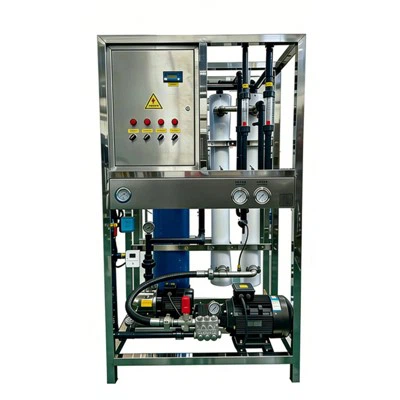
First, it’s important to note that industrial RO systems aren’t one-size-fits-all. A compact 500-gallon-per-day (GPD) skid for a car wash has way different components than a 100,000-GPD system for a pharmaceutical plant, and their warranties reflect that. That’s one of the first mistakes new buyers make: they compare a small system’s 1-year part warranty to a large system’s 5-year membrane warranty, and get confused. Let’s start with the core components of any industrial RO system, because warranties almost always apply to specific parts, not the whole unit.
The heart of any RO system is the membrane stack. That’s the semi-permeable filter that pushes water through and rejects contaminants like heavy metals, bacteria, and TDS (total dissolved solids). For industrial membranes, the standard warranty most reputable suppliers offer is 3 to 5 years—but wait, that’s not a free replacement. There’s a catch, and it’s non-negotiable: you have to follow the manufacturer’s maintenance protocols. I can’t tell you how many times a customer calls me 18 months after installation saying their membrane is failing, only to find out they never did the monthly membrane cleaning, or they fed untreated raw water into the system that caused scaling. The membrane manufacturers (like Dow, DuPont, or Koch) track all that, and if you don’t log your maintenance and water quality tests, your warranty is void.
Then there’s the balance of system (BOS) components: the high-pressure pump, control valves, pressure gauges, filters, and the skid frame. For these, most industrial suppliers offer a 1-year parts-and-labor warranty. That means if a pump seal fails or a valve breaks within the first year, we’ll send a technician to replace it for free (parts and labor, no extra charge). But again, this depends on proper installation. If you have an unlicensed electrician wire the control panel wrong and burn out the pump motor, that’s not a manufacturing defect—so that’s not covered. We do pre-installation site assessments, and a big part of that is making sure your power supply and raw water line are compatible with our system, because even the best warranty won’t cover user error.
Wait, there’s also the extended warranty option, right? For larger systems (over 50,000 GPD), we offer a 3-year extended BOS warranty for an additional 10% of the total system cost. A lot of customers skip this at first, then regret it when a pump motor fails at 18 months and they have to pay $2,500 out of pocket. I always recommend it for facilities that don’t have a dedicated maintenance team, because industrial parts aren’t cheap. The membrane extended warranty is another option too—for an extra 15% of membrane cost, we’ll extend it to 7 years, again as long as you stick to the maintenance schedule.
Now, let’s talk about what’s not covered. This is where people get frustrated, so I’m going to be clear. We don’t cover damage from improper operation—like running the system without the pre-filters, which can scratch the membrane. We don’t cover damage from harsh chemicals, or flooding in the equipment room, or vandalism. We also don’t cover routine maintenance items: pre-filters (the sediment and carbon filters) are consumables, so they’re not covered under any warranty. It’s like changing the oil in your car—you have to do that regularly, and it’s your responsibility, not the manufacturer’s. A lot of new buyers confuse consumables with defective parts, so that’s a key distinction I always clarify upfront.
Another thing: remote monitoring plays a huge role in our warranty terms now. Most modern industrial RO systems come with remote access that lets our team track pressure, flow rate, and water quality in real time. If we see a drop in performance that indicates a potential issue, we can alert you before it becomes a big problem. But that also means we can verify that you’re maintaining the system correctly—no more claims of “I did maintenance” when our logs show the pressure was too high for 6 months. For customers who opt into our monitoring service, we actually add 6 months to their standard warranty, because it reduces the chance of preventable failures. I’ve had customers who skipped monitoring have a membrane fail early, and it’s just not worth the headache compared to the small fee for monitoring.
Let me share a real example to put this in perspective. Last year, a food processing plant called us panicking because their 10,000-GPD RO system stopped producing water after 10 months. They had tried to cut costs by skipping the monthly membrane cleaning, and their raw water had a lot of iron that caused scaling on the membranes. When they called, I explained that their warranty was void because they didn’t follow the required maintenance steps. Instead of leaving them stuck, we offered to replace the membranes at a 20% discount, and we worked with them to adjust their raw water treatment to prevent future scaling. That’s the kind of thing you don’t get from a low-cost online RO supplier—they’ll either refuse to help or charge you 100% for new parts. Our warranty isn’t a get-out-of-jail-free card; it’s a partnership.
Now, what about warranty claims? The process isn’t complicated, but it does take a few steps. If you notice a failure, you contact our service team, we’ll schedule a diagnostic visit (for local customers, usually within 48 hours), and we’ll do a full inspection. If it’s a covered defect, we order the part and schedule the repair at no cost to you. If it’s a user error, we’ll give you a quote for the repair and help you implement a maintenance plan to avoid it next time. For remote issues, we can often troubleshoot over the phone or via our monitoring system without even sending a technician, which saves you time and money.
One more question I get a lot: do warranties transfer if you move the system or sell your business? For most standard industrial RO systems, yes, the warranty is transferable, as long as the new owner agrees to the same maintenance terms. We charge a small $250 transfer fee to cover the paperwork, but it’s way better than buying a whole new system. We’ve had several small manufacturing businesses that sold their operations and transferred the RO warranty to the new owners, and it’s been a huge selling point for both sides.
I know investing in an industrial RO system is a big decision—thousands of dollars, depending on size, and you need to know that you’re not throwing money away if something goes wrong. That’s why we structure our warranties to be fair: we cover manufacturing defects, we support you with maintenance guidelines, and we don’t void warranties over small, innocent mistakes.
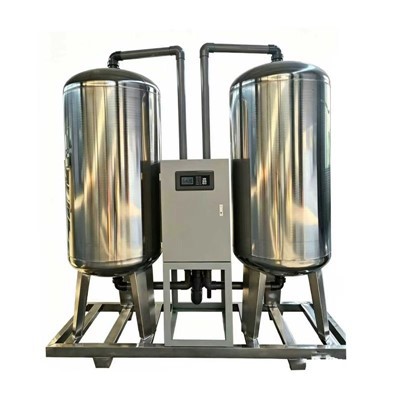
If you’re in the market for an industrial RO system, whether it’s a small skid for your car wash or a large system for your manufacturing plant, I’d be happy to walk you through our warranty terms in detail. I can answer any specific questions you have about component coverage, maintenance requirements, or extended options. Don’t hesitate to reach out to discuss your project and learn how we can provide a system that fits your needs and a warranty that gives you the peace of mind you deserve.
Deionized Water System References
- “Industrial Reverse Osmosis System Warranty Guidelines,” Water Technology Magazine, 2022.
- Membrane Technology and Research, Inc., “RO Membrane Warranty Best Practices,” 2021.
- Association of Water Technologies, “Water Treatment Equipment Warranty Standards,” 2023.
Shandong Yanuo Environmental Protection Equipment Co., Ltd.
We’re well-known as one of the leading industrial ro equipment manufacturers and suppliers in China, featured by quality products and good price. Please rest assured to buy bulk industrial ro equipment made in China here from our factory. Customized orders are welcome.
Address: North Side of the Road, 1,000 Meters West of the Intersection of Fenghuangshan West Road and Provincial Highway S102, Wangfu Subdistrict, Qingzhou City, Weifang City, Shandong Province.
E-mail: ynhb.499973983@gmail.com
WebSite: https://www.zkyaruo.com/
