Let’s cut to the chase: stainless steel is everywhere these days. From the sleek fridge in your kitchen and the gas stove you cook on to the commercial dishwashers in local cafes, it’s the go-to material for durability, that shiny finish, and resistance to rust. And when something gets grubby—say, a sticky coffee spill on the countertop or finger smudges on the faucet—most of us reach for a handy wet wipe. But here’s the question I get at my wet wipes supply shop all the time: can those little pre-moistened cloths actually clean stainless steel without damaging it? As someone who’s been in the wet wipes game for over a decade, testing formulas and helping customers pick the right wipe for every job, I’ve seen the good, the bad, and the downright ugly when it comes to this exact topic. Let’s break it down properly, no fancy jargon, no overblown claims. Wet Wipes
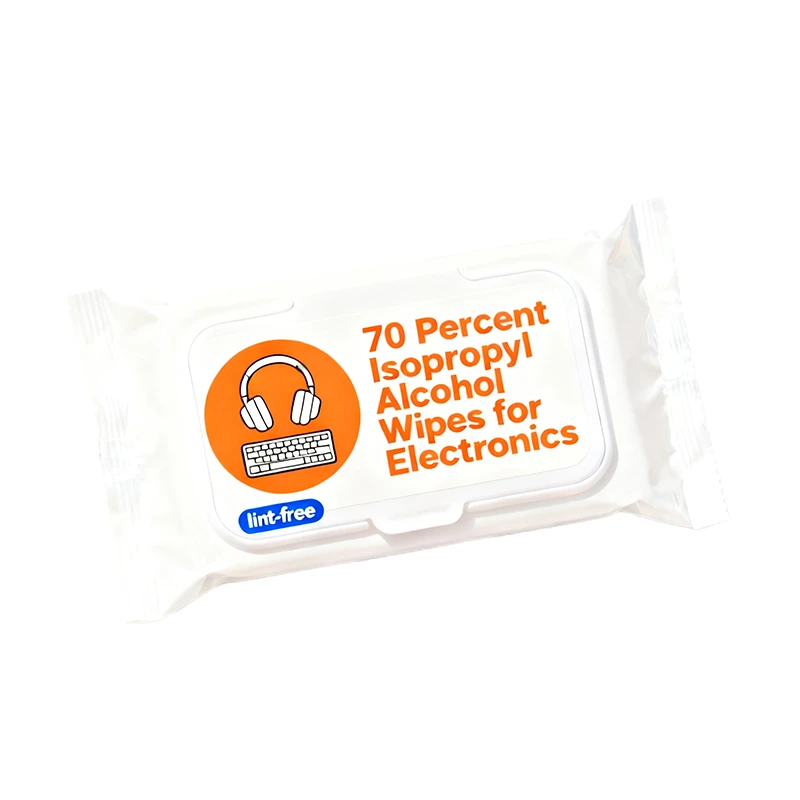
First, let’s get one thing straight: not all wet wipes are created equal. That’s not just my sales pitch—it’s science. Wet wipes are made with different base cloths, different cleaning solutions, and different additives, and those variables make a massive difference when it comes to stainless steel. Let’s start with what stainless steel actually is, because that matters. Most stainless steel used in appliances is an alloy of iron, chromium, and sometimes nickel. The key here is the thin, invisible chromium oxide layer on the surface—it’s what makes stainless steel “stainless” in the first place. It forms when chromium reacts with oxygen in the air, and it self-repairs if it gets scratched, as long as it’s not damaged too severely. The wrong wipe, though, can harm that layer, or leave behind residue that causes streaks, discoloration, or even rust spots (yes, even stainless steel can rust if its protective layer is broken).
Let’s talk about the bad stuff first, because that’s what people run into most often. I’ve had customers come in with wipes that left their stainless steel fridge looking dull, streaky, or even with little brown spots a few days later. What went wrong? A common culprit is harsh chemicals. Some wet wipes are made with strong alkaline cleaners, ammonia, or even bleach. Ammonia, for example, might cut through heavy grease on a stove, but it can break down that chromium oxide layer over time, leading to pitting or discoloration. Bleach is even worse—it’s corrosive to stainless steel, especially if you leave it sitting on the surface too long, and it can cause permanent dulling. Another big mistake: using wipes with abrasive additives. Some all-purpose wet wipes have tiny scrubbing particles meant for tough grime on tile or cast iron, and running those over stainless steel leaves tiny, microscopic scratches. Those scratches don’t look like much at first, but they trap dirt and make the steel far more prone to staining and rust down the line. I’ve seen this happen to a customer’s $3,000 range—they grabbed a pack of heavy-duty wipes from the dollar store, and within a month, the cooktop had fine scratches that turned it into a magnet for fingerprints.
Now, the good news: high-quality, formulated wet wipes absolutely can be used for cleaning stainless steel, and they’re often better than traditional methods like paper towels and liquid spray for getting into tight spots and avoiding lint. The key is knowing what to look for in a wipe. First, check the cleaning solution: it should be pH-neutral. Stainless steel thrives in a neutral environment (pH around 7), so wipes with a pH between 6 and 8 are safe. Avoid anything with ammonia, bleach, or strong alkalis—those are non-negotiable red flags. Next, the base cloth: it should be soft, non-abrasive, and lint-free. Microfiber base cloths are a great pick here, because they’re gentle on surfaces, they pick up tiny particles better than cotton, and they don’t leave behind fuzz that has to be wiped away again. Some stainless steel-specific wet wipes even add ingredients like mild surfactants (to cut grease) and polymers that help repel future fingerprints and smudges, which is a huge bonus for busy households and commercial spaces.
But wait, there’s a right way to use these wipes too—even the best wipe can mess up your stainless steel if you use it wrong. I always tell customers two golden rules: wipe with the grain, not against it. Stainless steel has a fine linear grain, either horizontal or vertical, that’s barely visible to the naked eye. Wiping against the grain, especially if you have a slightly abrasive wipe, will leave those microscopic scratches I mentioned earlier. Second, don’t let the wet wipe sit on the surface. If you have a really tough spill like dried-on pasta sauce or grease, use a wipe to lift the mess, then use a second clean wipe to buff the surface dry. Allowing moisture to sit on stainless steel for too long can cause water spots, which look like dull rings on the finish—worse if the wipe’s solution has any harsh minerals, which are common in cheap wet wipes.
Let me share a quick test I ran with my team last year, just to confirm this stuff works. We took three different stainless steel surfaces: a fridge door, a stove cooktop, and a sink basin. We used three types of wipes: 1) a generic all-purpose wipe with ammonia, 2) a dollar-store heavy-duty wipe with scrubbing particles, and 3) our own line of stainless steel-specific wet wipes. We did three rounds of cleaning, spaced a week apart, and documented the results. After the first clean, the generic ammonia wipe left streaks on the fridge door that took two more paper towel wipes to fix. The heavy-duty wipe left fine scratches on the sink that we could see under a magnifying glass, though they weren’t noticeable to the eye. Our stainless steel wipes? They lifted coffee spills, smudges, and food residue in one pass, left no streaks, and when we checked under magnification, there was zero scratching. After three weeks, the ammonia wipe started to dull the cooktop’s finish, the heavy-duty wipe’s scratches had started to trap dirt, and our wipes’ surface still looked as shiny as new. That test wasn’t just for show—it’s why we formulated our wipes the way we did, specifically for stainless steel and other delicate surfaces.
Now, what about common myths that float around online? One big one is that you should never use wet wipes on stainless steel at all, that paper towels and a homemade vinegar solution are the only way. That’s half true—vinegar is great for cleaning stainless steel, but only if you wipe it off properly. Wet wipes don’t need mixing, they don’t leave behind excess moisture if used right, and they’re way more convenient for quick cleans. Another myth: all anti-bacterial wet wipes are safe for stainless steel. Most anti-bacterial wipes use benzalkonium chloride (BAC) as their active ingredient, which is gentle enough for most hard surfaces, but some formulations have high concentrations that can leave a sticky residue over time, especially on smooth stainless steel. So even if a wipe says “anti-bacterial,” double-check the ingredients if it doesn’t specify it’s safe for stainless steel.
What about commercial settings? Cafes, restaurants, gyms—they all have stainless steel equipment that gets used dozens of times a day, so quick, consistent cleaning is key. We work with several local coffee chains, and they switched from paper towels and spray bottles to stainless steel wet wipes a couple of years ago. The reason? Paper towels leave lint, which means employees have to do a second pass to get counter tops and espresso machines shiny. Spray bottles can leak, and if a server accidentally sprays ammonia on a group’s mugs, that’s a problem. Wet wipes cut their cleaning time in half, they’re portable, and they’re safe for the high-touch stainless steel surfaces that get handled hundreds of times a day. As long as they use the right wipes, no scratches, no streaks, no damage.
Wait, what about the really old or heavily tarnished stainless steel? If you have a vintage sink that’s lost some of its shine, wet wipes alone probably won’t bring back that mirror finish. For that, you might need a polish or a light buff with a non-abrasive pad, but wet wipes can be used for regular maintenance to keep tarnish from building up in the first place. That’s a good middle ground—they’re not for restoring severely damaged steel, but they’re perfect for daily and weekly cleaning to keep it looking good and extend its lifespan.
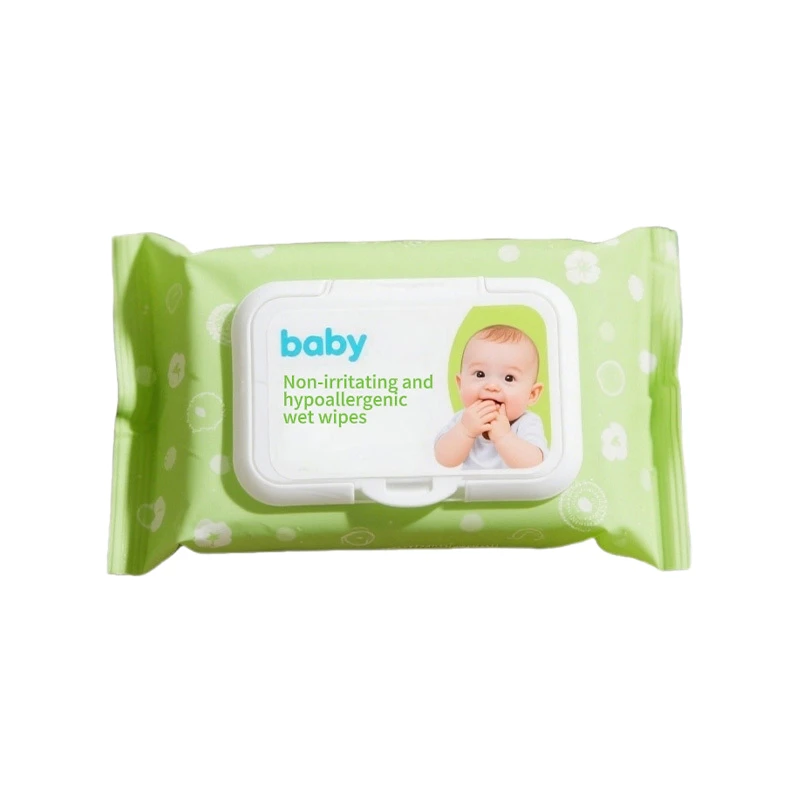
Let’s circle back to the original question: can wet wipes be used for cleaning stainless steel? The answer is a resounding yes, but with a huge disclaimer: not all wet wipes are equal, and using the wrong one will do more harm than good. As someone who’s been in the wet wipes supply business for years, I’ve seen customers waste money on cheap wipes that damage their appliances, and I’ve seen other customers keep their stainless steel looking like new for years with the right wipe. The takeaway is simple: look for wipes that are pH-neutral, non-abrasive, lint-free, and specifically formulated (or at least labeled safe) for stainless steel. Avoid anything with ammonia, bleach, or scrubbing particles. And always wipe with the grain, buff dry after cleaning, and don’t let the wipe sit on the surface.
Personal Care Wipes If you’re a homeowner tired of streaky fridge doors or scratched stove tops, or if you’re a business owner looking for a consistent, safe cleaning solution for your stainless steel equipment, let’s chat. We’ve worked with everyone from small residential clients to large commercial chains to custom-formulate wipes that fit their exact needs, whether that’s for stainless steel appliances, food service equipment, or medical-grade stainless steel. We can walk you through what works best for your space, answer any questions you have about ingredients or usage, and help you build a supply that keeps your stainless steel looking its best for years. Don’t waste another dollar on wipes that leave streaks, scratch your surfaces, or don’t get the job done right—reach out today to start a conversation.
References
- Stainless Steel Alliance. (n.d.). Care and Maintenance of Stainless Steel.
- American National Standards Institute (ANSI). (2018). Standard for Cleaning and Maintenance of Food Service Stainless Steel Equipment.
- International Organization for Standardization (ISO). (2020). Surface Cleaning Agents for Stainless Steel: Performance Requirements and Testing Methods.
- The Society for Testing and Materials (ASTM). (2019). Standard Practice for Evaluating the Compatibility of Cleaning Products with Metal Surfaces.
- Journal of Cleaning Science and Engineering. (2021). Effects of Wet Wipe Formulations on Surface Integrity of Austenitic Stainless Steel.
Hangzhou Shunlong Nonwoven Technology Co., Ltd.
We are one of the most experienced wet wipes manufacturers and suppliers in China, also support custom service. Please feel free to wholesale advanced wet wipes made in China here from our factory. Quality products and reasonable price are available.
Address: No. 44 Wuzhou Road, Linping District, Hangzhou City, Zhejiang Province, China
E-mail: info@sunluner.com
WebSite: https://www.sunluner-nonwovens.com/
