When I first started as a finished steel supplier focused on the renewable energy sector—specifically wind turbines—I realized how few people outside our industry understand that not all steel is created equal. I still remember a coffee chat three years ago with a old friend who worked in office tech, who asked, “Wait, wind turbines use regular steel, right? Isn’t steel just steel?” That question stuck with me because it’s such a common misconception. The steel that goes into a wind turbine isn’t your run-of-the-mill rebar for construction or sheet metal for a car door. It’s a specialized, precision-engineered product called finished steel for wind turbines, and it’s the backbone of the entire wind energy industry—even if most people never see it. Finished Steel
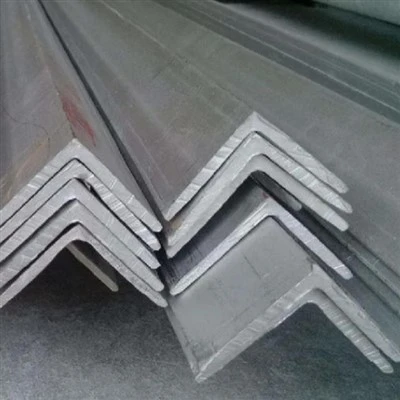
Let’s break this down simply, starting with what finished steel actually is, specifically for wind energy. First, “finished steel” isn’t raw iron ore or semi-finished steel blooms (those big, thick steel rectangles that come out of a mill). Finished steel is steel that’s been processed, treated, and shaped into a specific, usable form that meets exact, performance-driven specifications. For wind turbines, that means it’s tailored to handle extreme conditions: constant, high-stress loads, corrosion from salt air if it’s offshore, temperature swings from -40°F in northern plains wind farms to over 100°F in desert installations, and decades of consistent wear and tear.
You might be wondering where this steel goes on a wind turbine, because that helps make the purpose clearer. A utility-scale wind turbine is basically four big steel parts bolted together: the tower, the nacelle (the box at the top housing the generator, gears, and other parts), the hub that holds the blades, and the heavy flanges that connect every section. Each of these parts needs a different type of finished steel, and none of them would work without the right grade. For example, the tower, which can be up to 300 feet tall (and sometimes twice that for offshore), needs steel that’s strong enough to support its own weight plus the nacelle, blades, and the force of the wind. Nacelles, which hold hundreds of thousands of pounds of heavy machinery, need steel that’s both strong enough to carry that load and flexible enough to absorb sudden gusts that would snap regular steel.
Now, why can’t we just use structural steel that’s already used for skyscrapers or bridges? Let’s talk about the unique demands of wind turbines. Most structural steel is made to handle static loads—like a skyscraper that holds a constant weight day in and day out. Wind turbine steel has to handle cyclic, dynamic loads: every time the blades spin, they pull and twist the hub, the nacelle, and the tower, millions of times over the turbine’s 20-25 year lifespan. If the steel can’t stand up to that repeated stress, it will develop tiny cracks (called fatigue cracks) that grow over time until the part fails. That’s a non-starter for an investment that can cost millions of dollars per turbine.
So, what goes into making finished steel for wind turbines? Let’s walk through the process, since that’s where my team and I spend most of our days. First, we start with high-purity iron—no impurities like sulfur or phosphorus, which weaken steel and make it brittle. That iron is melted in an electric arc furnace, which is the cleanest, most consistent way to make high-grade steel. Next, we add precise amounts of alloying elements: manganese to boost strength, nickel to improve toughness at low temperatures, chromium for corrosion resistance, and sometimes molybdenum for extra fatigue resistance. We test the chemical composition at every step, down to the last decimal, because even a 0.1% difference in an alloy can make the steel too soft or too brittle for wind turbine use.
Once the steel is alloyed, it’s formed into the right shape. For tower segments, we use heavy plate steel—thick, flat slabs of steel that can be 2 to 4 inches thick, sometimes 12 feet wide. For flanges (the round steel plates that bolt tower sections together or connect the tower to the nacelle), we use forged steel: we heat a block of steel until it’s malleable, then hammer or press it into a precise shape that’s way stronger than cast steel. For smaller, high-stress parts like hub connectors, we use precision tubing or specialized bar steel that’s machined to exact tolerances—no rough edges, no slight bends, because even a 1/8-inch misalignment can throw off the entire turbine’s balance.
Then comes the treatment stage, which is what separates good finished steel from great finished steel for wind turbines. We use heat treatment: forging or rolling the steel at controlled temperatures, then quenching it (cooling it quickly in water or oil) and tempering it (reheating it to a specific lower temperature) to balance strength and toughness. This is a delicate dance—if we quench too fast, the steel gets too brittle and will crack under stress; if we temper too long, it becomes too soft and can’t hold heavy loads. We also apply surface treatments, like hot-dip galvanizing or specialized paint systems, for onshore turbines, and for offshore turbines, we use even more robust coatings like powder coating or metal spraying to stand up to saltwater and harsh coastal weather.
I know this all sounds technical, but the bottom line is that wind turbine finished steel isn’t a commodity product. It’s a custom-engineered component that’s built to a customer’s exact specs—whether that’s a wind farm developer in Texas needing steel for 50 onshore turbines that have to handle 100°F heat and high winds, or an offshore wind operator in the North Sea needing steel that can survive freezing temperatures and salt spray for 25 years. That’s why my team and I work directly with wind turbine engineers and project managers, not just as a supplier, but as a partner. We’ll test a sample of our steel for their specific load requirements, run fatigue tests, corrosion tests, and temperature tests, and adjust our process until it matches what they need.
One of the biggest shifts I’ve seen in the past five years in our work as a finished steel supplier is the rise of offshore wind. Offshore turbines are way bigger—some are over 800 feet tall, with towers that require even thicker, stronger steel to handle the combined weight of the turbine and the rough ocean waves and wind. The market for offshore wind finished steel has exploded because countries like the US, Germany, and the UK are investing billions in offshore wind to meet their renewable energy goals. This has pushed us to innovate too: we’ve developed a new high-toughness steel grade that’s 15% stronger than our standard grade, which means customers can use thinner plate steel for tower segments, cutting down on transportation costs (thinner steel is easier to ship to remote offshore construction sites) without sacrificing strength.
Another point that’s important to mention is sustainability. I know a lot of renewable energy stakeholders care about the environmental impact of every part of a wind turbine, and that includes the steel. As a finished steel supplier, we prioritize using recycled steel—we source 90% of our raw material from post-consumer and post-industrial steel scrap, which cuts the carbon footprint of our steel by 75% compared to making steel from virgin iron ore. That’s a big selling point for wind developers who want their entire project to be as green as possible. We also work with our customers to minimize waste: our process is optimized so we only cut steel to the exact size they need, instead of leaving scrap that goes to landfill.
I’ve had customers tell me that when they choose a finished steel supplier for wind turbines, they’re not just buying metal—they’re buying reliability. If a turbine fails because of bad steel, that means lost energy production, costly repairs, and delays to their project timeline. For example, a few years back, we had a small wind farm in the Midwest that had issues with tower steel fatigue—they’d used a lower-grade steel from a non-specialized supplier, and after three years, they had tiny cracks in their towers. We were able to test their existing steel, match the load requirements, and supply replacement steel that fixed the problem, and they’ve been a repeat customer ever since. That’s the kind of trust we build: we don’t just sell steel, we make sure it works for their specific needs.
So, to circle back to the original question: What is finished steel for wind turbines? It’s precision-engineered, high-performance steel that’s shaped, alloyed, and treated to handle the unique, extreme demands of wind energy. It’s not regular steel, it’s not a commodity, and it’s the unsung hero of the renewable energy transition. Every time you see a wind turbine spinning in a field or out at sea, remember that every part of it—every tower section, every flange, every hub connector—is made from this specialized finished steel that’s built to last decades.
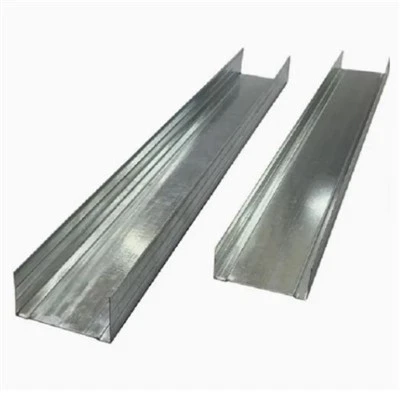
If you’re a wind farm developer, turbine manufacturer, or project manager working on a renewable energy project and you’re looking for a reliable finished steel supplier that understands the unique needs of wind turbines, we’d love to hear from you. We work with both onshore and offshore projects, offer custom grades tailored to your specific conditions, and prioritize quality, sustainability, and on-time delivery. Let’s connect to talk through your project requirements and find the right steel solution for you.
Carbon Steel References
- American Iron and Steel Institute. (2022). Steel for Renewable Energy Applications. AISI Sustainability Report.
- Global Wind Energy Council. (2023). Offshore Wind Turbine Component Specifications: Steel Performance Requirements. GWEC Technical Bulletin.
- International Organization for Standardization. (2021). ISO 10816: Mechanical Vibration – Evaluation of Machine Vibration by Measurements on Non-Rotating Parts.
- Steel Construction Institute. (2022). High-Strength Steel for Wind Energy Structures. SCI Technical Guide 456.
Hubei Jingtong Steel Supply Chain Co., Ltd.
With abundant experience, we are one of the most professional finished steel manufacturers and suppliers in China. Please feel free to buy high quality finished steel in stock here from our factory. Good service and reasonable price are available.
Address: No. 3 Fruit Lake Henglu Road, Wuhan City, Wuchang District, Hubei Province, China
E-mail: sales008@hbjingtongsteel.com
WebSite: https://www.jingtongsteelco.com/
