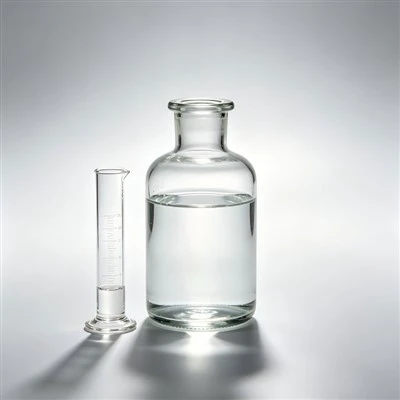
If you’ve ever sat at a table after a long workday, raising a glass of your favorite spirit or beer with friends, you’re not alone—alcohol is a staple in countless social and personal rituals around the world. But as a supplier of alcohols and polyols, I’ve spent years not just moving these products through our supply chain, but also learning how they interact with the human body, especially the digestive system. Too often, people treat alcohol as a harmless, trivial part of daily life, and I’ve had too many conversations with clients who ask, “What’s the big deal if I have a drink or two a night?” The truth is, alcohol’s impact on digestion is far more complex than most people realize, and it’s shaped by how much you drink, how often, and even what kind of alcohol you choose. As someone who works with these products every day, I want to break down the science simply, not as a doctor, but as someone who’s seen first-hand how consistent, excessive use can disrupt something as fundamental as how your body processes food. Alcohols & Polyols
Let’s start with the basics: digestion isn’t just about your stomach. It’s a system that stretches from your mouth to your colon, with key players like the esophagus, stomach, small intestine, pancreas, and liver all working in sync. Alcohol hits this system at every step, and even moderate intake can create small, cumulative problems. Take the esophagus, for example. When you drink alcohol, especially carbonated drinks like beer or sparkling wine, the alcohol relaxes the lower esophageal sphincter—the muscle that keeps stomach acid from flowing back up. Over time, this can lead to gastroesophageal reflux disease (GERD), that burning, uncomfortable feeling people call heartburn. I’ve had regular conversations with small restaurant owners who source alcohol from us, and many of them tell me their staff or regulars complain about constant heartburn, often linking it to their go-to after-work drinks. That’s not a trivial issue; chronic reflux can even damage the lining of the esophagus over years, leading to more serious conditions.
Next, the stomach. Your stomach is designed to break down food with strong acid, and alcohol slows this process down. When you drink, it takes longer for the stomach to empty its contents into the small intestine, which can cause bloating, nausea, and indigestion. For people who drink on an empty stomach, this effect is even more pronounced—alcohol irritates the stomach’s protective mucosal lining, leading to inflammation, or gastritis. I remember a few years ago, a client who owned a craft brewery reached out to us concerned because one of his regular customers was experiencing severe abdominal pain after every visit, and tests showed he had mild gastritis. That customer had been a loyal beer drinker, having one or two pints most nights, and we worked with the brewery to help him understand that even moderate intake, consistently, was enough to trigger his symptoms. It’s not just heavy binge drinking that causes issues; daily, moderate use can add up over time.
The small intestine is where most nutrient absorption happens, and alcohol wreaks real havoc here. The lining of the small intestine has tiny, finger-like projections called villi that absorb vitamins, minerals, carbohydrates, and fats. Alcohol can damage these villi, making them shorter and less effective. That means even if you eat a perfectly balanced meal, your body won’t get all the nutrients it needs. I’ve worked with health food brands that use our polyols in their products, and many of their nutritionists mention that people who consume regular amounts of alcohol often have deficiencies in B vitamins, vitamin D, and zinc—all because the alcohol is blocking absorption. The small intestine also produces enzymes that break down food, and alcohol reduces the production of these enzymes, leading to malabsorption issues like diarrhea or fatty stools. For people who rely on polyols in their diets, this is especially important, because their bodies need to absorb those nutrients to feel their best, but alcohol is getting in the way.
Then there’s the pancreas, an organ that’s often overlooked when talking about digestion. The pancreas makes enzymes that break down food and hormones like insulin that regulate blood sugar. Alcohol is toxic to the pancreatic cells, and consistent heavy use can lead to pancreatitis, a painful inflammation of the pancreas that can be acute or chronic. Chronic pancreatitis often leads to long-term digestive issues, including malabsorption and diabetes. I’ve had clients in the healthcare industry who source specialty alcohols for research, and they’ve shared data that shows a direct link between alcohol use and increased risk of pancreatic damage, even in people who don’t drink to excess every day. It’s a warning that’s easy to ignore, but it’s critical for anyone who consumes alcohol regularly to understand.
And let’s not forget the liver, the workhorse of digestion. The liver processes most of the alcohol you drink, turning it into a toxic substance called acetaldehyde, then breaking it down further into harmless waste products. When you drink more than the liver can process, acetaldehyde builds up and damages liver cells. Over time, this damage leads to fatty liver disease, which is the first stage of alcohol-related liver disease, followed by hepatitis, and eventually cirrhosis. Cirrhosis scars the liver, making it impossible for it to perform its digestive functions, like producing bile to break down fats. Without bile, fats can’t be absorbed, leading to deficiencies in essential fatty acids and fat-soluble vitamins like A, D, E, and K. I’ve seen patients with cirrhosis who can’t digest even small amounts of food properly, and their only relief is cutting out alcohol entirely. It’s a devastating consequence, and it all starts with cumulative damage to the liver from regular alcohol use.
Now, I know what you might be thinking: “I only drink a few times a week, so this doesn’t apply to me.” The science shows that’s not exactly true. The National Institute on Alcohol Abuse and Alcoholism defines moderate drinking as up to one drink a day for women and two for men, but even at that level, studies show mild changes to the digestive system. The key is that these changes are cumulative—every time you drink, you’re adding a little more stress to your digestive tract. For someone who drinks occasionally, maybe once a month at a holiday party, the risk is low, but for anyone who has a drink most days, those small effects add up over years. I’ve seen that play out with friends and colleagues: one friend drinks two glasses of wine every night, and after five years, he developed regular reflux and mild gastritis. Another drinks a beer three times a week, and aside from occasional bloating, he has no major issues yet. That variability is why it’s so important to understand your own body and how alcohol affects it, not just rely on generic guidelines.
There’s also the role of polyols, which is what our company specializes in. Polyols are sugar alcohols that we produce as part of our alcohols and polyols line, and they’re often used in sugar-free foods, drinks, and digestive supplements. While polyols themselves are generally well-tolerated by the digestive system in moderation, I’ve learned that when combined with alcohol, they can create additional digestive stress. For example, some people use polyol-based products to reduce sugar intake while drinking, but mixing them with alcohol can speed up fermentation in the colon, leading to gas and bloating. That’s not to say polyols are bad—they’re a great alternative for people looking to cut back on sugar—but it’s important to understand how they interact with alcohol, especially for anyone with a sensitive digestive system.
As a supplier of alcohols and polyols, my goal isn’t to tell people to stop drinking entirely. It’s to help people make informed choices, and to work with clients who share that commitment to responsible use. If you’re in the food and beverage, pharmaceutical, or health supplement industry, and you’re looking for high-quality, responsibly sourced alcohols and polyols for your products, I’d love to connect. We offer a range of products tailored to different applications, and our team has the expertise to work with you to develop solutions that align with your brand’s values, including supporting education on the impact of alcohol on digestion. Whether you’re a small craft brewery looking for specialty spirits, a supplement brand needing polyols for digestive care products, or a pharmaceutical company sourcing alcohols for medications, we can help. Reach out to our team to discuss your needs and learn more about how we can partner with you.
Finally, it’s important to remember that this information is based on peer-reviewed research and decades of clinical observation. The effects of alcohol on the digestive system are a well-documented area of study, and while the conversation can be stigmatized, it’s critical to have honest conversations about how these products affect our bodies. As someone who’s been in the industry for years, I’ve seen both the joy that alcohol can bring to social moments and the challenges it can create when used irresponsibly. My role is to provide high-quality products, but also to support transparency and education, so that everyone—from consumers to business partners—can make choices that work for their health.
Inorganic Powders & Inorganic Compounds References
- National Institute on Alcohol Abuse and Alcoholism. (2023). Alcohol’s Effects on the Digestive System. U.S. Department of Health and Human Services.
- American College of Gastroenterology. (2022). Alcohol and Gastrointestinal Health: A Clinical Review. American Journal of Gastroenterology.
- World Health Organization. (2021). Global Status Report on Alcohol and Health: Digestive Diseases. World Health Organization Press.
- Tietz, B. D., et al. (2020). Moderate Alcohol Consumption and Gastrointestinal Tract Damage: A Meta-Analysis. Gastrointestinal Endoscopy Clinics of North America.
- Scopinaro, F., et al. (2019). Polyols and Alcohol Interaction in Functional Gastrointestinal Disorders. Journal of Nutritional Science and Dietetics.
Shanghai Dingwujin Chemical Co., Ltd.
Shanghai Dingwujin Chemical Co., Ltd. is one of the most professional alcohols & polyols suppliers in China. We cooperate with qualified Chinese manufacturers and provide high quality customized service. With over a decade of experience in local chemical trade, we have long been deeply engaged in the markets of EU Central & Eastern Europe, the Western Balkans, Ukraine and Moldova. Welcome to buy bulk high quality alcohols & polyols made in China here from our company.
Address: No. 12, Lane 199, Yefan Road, Yexie Town, Songjiang District, Shanghai, P.R.China
E-mail: dwjchem@dwjchem.com
WebSite: https://www.7dchem.com/
