Hey runners, let’s cut to the chase – nothing kills a workout (or a long run) faster than bad underwear. You know the feeling: that scratchy cotton that holds sweat like a sponge, the seam that rubs a blister into your thigh mid-trail, or the fabric that gets so soggy you’re adjusting it every 10 minutes like it’s your full-time job. As someone who’s been in the underwear fabric game for years – and let’s be real, we’ve all heard runners complain about these exact issues – I’m here to break down exactly how to pick the right fabric, no confusing jargon required. Underwear Fabric
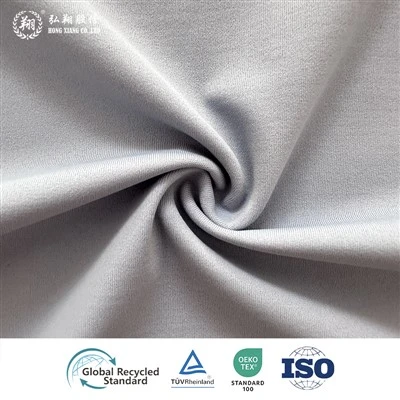
First, let’s get one myth out of the way: cotton is not your friend for running. I know, I know – it’s the stuff your mom stuffed into your gym bag in high school, it’s cheap, it’s soft. But here’s the science part (the real kind, not the textbook fluff): cotton absorbs up to 27x its weight in water. So when you’re running 5 miles on a humid day, that cotton underwear soaks up sweat, stays wet, and starts chaffing. Not to mention, wet fabric can cause skin irritation over long runs, and even lead to things like jock itch for guys or bacterial vaginosis for gals – no one wants that. I’ve seen so many runners come to us after ditching cotton and wondering why they didn’t do it sooner.
So what is the right fabric? Let’s talk about the key traits every runner needs in their underwear fabric, and which materials check those boxes (and which ones don’t).
First up: moisture-wicking. This isn’t just a buzzword – it’s the fabric’s ability to pull sweat away from your skin and move it to the outer layer, where it can evaporate fast. Think of it like a tiny delivery system: sweat goes in, wetness goes out. Fabrics that do this well are usually synthetic, or blends of synthetic and natural fibers. Polyester is a big one here – not the scratchy old fleece stuff you wore for winter coats, the lightweight, high-performance polyester we use for running gear. It’s cheap, durable, and holds its moisture-wicking power way longer than cotton. But wait, polyester can have a downside: it’s not great at breathability, and some people get rashes from it, especially if they’re running in warm weather. That’s where nylon comes in. Nylon is softer than polyester, more stretchy, and has amazing moisture-wicking properties. It’s also super lightweight – you’ll forget you’re wearing it mid-run. We use a lot of nylon in our core fabric lines because it balances performance and comfort perfectly.
Then there’s spandex (or elastane, if you want to get fancy). Spandex is what gives underwear that stretch, so it moves with your body when you’re sprinting or climbing a hill. The sweet spot here is usually 5-10% spandex in your fabric – too little, and it feels tight and restrictive; too much, and it might not hold its shape after a few washes. I’ve had runners tell me they tried underwear with 15% spandex and it stretched out after one run, so that’s a key number to remember.
Wait, what about natural fibers? Is there any natural fabric that works for running? Yes, actually – merino wool. I know, wool sounds like it’s only for winter sweaters, but merino is a game-changer for runners. It’s moisture-wicking, odor-resistant, and it doesn’t hold that wet, heavy feel like cotton. Why? Merino fibers are super fine – like, thinner than human hair – so they don’t scratch, and they have tiny craters that absorb moisture. The best part? Merino wool doesn’t smell even after a long run. I’ve had runners wear merino underwear for a 10K, skip washing it for two days, and it still smelled fresh – that’s a huge win for anyone who travels to races or doesn’t want to do laundry every day. The only downside? Merino is more expensive than synthetic fabrics, and it can pill a bit if you’re rough with it. But for long-distance runners or people who hate smelly workout gear, it’s worth every penny.
Now, let’s talk about what to avoid, beyond cotton. Rayon and viscose – these are often marketed as “natural” alternatives, but they’re basically just processed wood pulp, and they absorb moisture almost as bad as cotton. We’ve had a lot of runners come to us after buying rayon underwear from a big box store, complaining that it gets soggy mid-run. Skip it. Also, avoid fabrics with a lot of loose seams or rough finishes – even if the fabric is great, a bulky seam will rub a blister into you over a 10-mile run. That’s why our fabrics have flatlock seams (wait, no, those are for construction – ours are “seam-free bonded edges” if you want the tech term, but basically, the edges are glued instead of stitched so they don’t scratch).
Wait, let’s dive deeper into the specific needs of different runners, because not everyone’s run is the same. If you’re a short-distance runner – like 5K or 10K, a quick jog around the block – you can get away with a lighter synthetic blend, like 85% nylon + 10% polyester + 5% spandex. It’s cheap, lightweight, and will keep you dry for a short run. If you’re a long-distance runner – half marathons, marathons, ultra-trails – go for a blend with merino, or a high-performance polyester with antimicrobial properties. Long runs mean more time for sweat to build up, so odor resistance is key here – no one wants to change into a pair of underwear that smells like a gym bag after a 26.2-mile run.
Also, let’s not forget about climate. If you’re running in hot, humid weather (think 80°F+ and 70% humidity), you need a fabric that’s extra breathable. Nylon-mesh blends are perfect here – the mesh has tiny holes that let air circulate, so sweat evaporates faster. If you’re running in cold weather, you want something that’s still moisture-wicking, but maybe a bit thicker. Merino wool is great here because it’s warm when it’s dry, but still moves moisture away. Avoid cotton even in cold weather – if you sweat through your cotton underwear, it will get wet and make you cold, which can lead to hypothermia if you’re running in the winter.
Another thing: fit matters, but fabric ties into fit too. If your underwear is too tight, a synthetic fabric can trap sweat and cause irritation. If it’s too loose, the fabric will bunch up and rub. The right fabric will stretch just enough to move with your body, so you don’t have to adjust it every 5 minutes. I always tell runners to test a fabric before buying a big pack – do a short run in it, see how it feels. If it starts to feel damp or scratchy, it’s not the right one.
Wait, let’s address a common question: do guys and gals need different fabrics? The short answer is not really, but there are some considerations. For guys, moisture and friction are usually the main issues – so a stretchy, moisture-wicking fabric with low chafe is key. For gals, especially if you’re prone to yeast infections, antimicrobial fabrics are a game-changer – they kill bacteria before it can build up. That’s why we add a silver ion treatment to some of our fabrics – it’s safe, doesn’t wash out, and keeps odors and bacteria at bay. A lot of runners with sensitive skin swear by these fabrics because they don’t get the irritation they used to with cotton.
Let’s talk about care too – because the wrong care can ruin your underwear fabric, making it perform worse over time. Don’t use fabric softener on performance fabrics – fabric softener coats the fibers and blocks the moisture-wicking ability. Wash your underwear in cold water, and air dry it if you can – high heat from the dryer can break down spandex and make the fabric stretch out faster. I’ve had runners tell me they use fabric softener and wonder why their underwear gets soggy after a few washes – that’s exactly why.
Now, let’s get to the part where we talk about what we do as an underwear fabric supplier. We don’t just sell random fabrics – we’ve tested every one of our lines with hundreds of runners, from 5K joggers to ultra-marathoners. Our core running fabric blend is 78% nylon, 17% polyester, 5% spandex, with a silver antimicrobial treatment – it’s lightweight, moisture-wicking, odor-resistant, and doesn’t chafe, even during long runs. We also have a merino blend for runners who prefer natural fibers: 55% merino wool, 35% nylon, 10% spandex, which is super soft, odor-resistant, and warm in cold weather.
If you’re a running brand, a gym, or someone who needs bulk fabric for custom underwear, we can help. We’ve worked with a ton of small running brands to develop custom fabrics that fit their specific needs – whether that’s extra stretch, better breathability, or a specific odor-resistant treatment. We also offer samples, so you can test the fabric before you commit to a big order. No fine print, no hidden fees – just high-performance fabrics that work for runners.
Wait, let’s wrap this up with a quick checklist so you don’t forget:
- Ditch cotton – it’s bad for sweat, chafe, and irritation.
- Look for moisture-wicking properties (nylon, polyester, merino are your friends).
- 5-10% spandex is the sweet spot for stretch without stretching out.
- If you run long distances or hate smelly gear, go for antimicrobial fabric.
- Match the fabric to your climate and run length (mesh for hot weather, merino for cold).
- Skip rayon/viscose – they’re just fancy cotton.
And one last tip: don’t be afraid to experiment. What works for your friend might not work for you. I’ve had runners who swear by polyester, others who only wear merino, and some who love our nylon blend. The key is to test, test, test – do a short run first, then a longer one, before you stock up on a big pack.
If you’re a brand looking to source high-quality underwear fabric for your running line, or a retailer who needs bulk fabric for custom gear, we’re here to help. We’ve got the expertise, the products, and the track record of working with runners to make fabrics that actually perform. Reach out to us to discuss your needs, get samples, or learn more about our custom fabric options.
At the end of the day, running should be about moving freely, not adjusting your underwear mid-workout. The right fabric makes all the difference – no more soggy sponges, no more blisters, no more smelly gear. Just you, your run, and a fabric that works with you, not against you.
Printed Knitted Fabric References:
- International Journal of Dermatology. “Moisture Wicking Fabrics and Skin Irritation in Athletes.” 2021.
- Textile Research Journal. “Performance Properties of Merino Wool vs. Synthetic Fabrics for Activewear.” 2019.
- Journal of Sports Sciences. “Chafe Prevention in Distance Running: The Role of Underwear Fabric Selection.” 2020.
- American Academy of Dermatology. “Common Skin Irritations from Workout Clothing – How to Avoid Them.” 2022.
- The Clothing Institute. “Fabric Care for Activewear: Effects of Fabric Softeners and High Heat on Performance.” 2018.
Zhejiang Hongxiang Textile Technology Co., Ltd.
Address: No. 8, 12th Road, Warp Weaving Park, Maqiao Street, Haining City, Jiaxing City, Zhejiang Province
E-mail: gd@hongxiang888.cn
WebSite: https://www.h-xiang.com/
