If you’ve ever needed to stop or start the flow of water, oil, gas, or slurry in a pipeline, chances are you’ve come across a lever operated gate valve. As someone who’s been supplying these valves for years, I get a ton of questions from folks—whether they’re plumbers, plant operators, or even hobbyists building a remote irrigation system—wondering exactly what they are, how they work, and why they’re different from other valves out there. Let’s break it down like we chat at a trade show booth, no stuffy jargon, just the real deal. Gate Valve
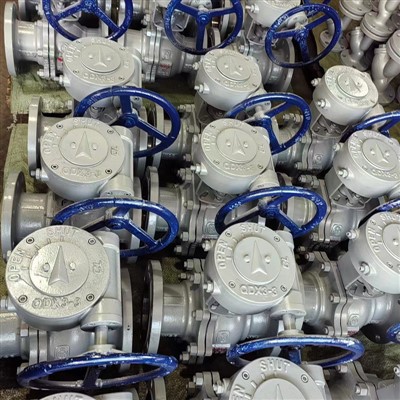
First, let’s start with the basics: a gate valve is a type of linear motion valve, meaning the part that controls flow moves straight up and down (or side to side, depending on design) instead of twisting like a ball valve or a butterfly valve. The “gate” here is a thin, wedge-shaped or flat metal disk that slides into a slot in the valve body to block the flow path. Now, the lever part is what makes this specific type stand out. Instead of a handwheel you spin for minutes, or an actuator that requires a power source, you’ve got a short metal lever sticking out of the top of the valve. Flip that lever one way, and the gate slides all the way up to open the valve completely—flip it the other way, and the gate slams down (or slides down, in most cases) to seal the line tight.
Let’s talk about how that lever connects to the gate, because that’s where the magic happens. Inside the valve bonnet (the cover on top of the body), there’s a stem threaded to fit a nut attached to the gate. When the lever moves, it spins the stem. Since the stem is locked so it can’t twist on its own (it’s “non-rotating” in most lever gate valves), spinning the stem makes it move up or down through the nut. That vertical movement pulls the gate up out of the flow when you open it, or pushes it down into the flow to close it. It’s simple, mechanical, and way more straightforward than you might think.
Now, why would someone pick a lever operated gate valve over other valves? Let’s be real—there are tons of options, so it comes down to use case. First, lever gate valves are designed for full open or full closed positions, not for regulating flow. If you try to leave it halfway open, the gate will rattle from the flow, wear out fast, and leak. But when you need a line that’s either 100% on or 100% off, they’re perfect. They create a bubble-tight seal when closed, way better than, say, a ball valve for high-pressure or high-temperature applications. And the lever is a game-changer for quick operation—no need to crank a big handwheel for 5 minutes, flip the lever, and you’re done. That’s huge for emergency shutoff situations, like if a pipe breaks on a job site, or a leak pops up in a refinery line.
Wait, but they’re not all the same, right? As a supplier, I see a lot of variants, so let’s cover the key ones you’ll run into. First, the wedge gate vs. parallel gate. Wedge gates are the most common—two sides of the gate angle inward, so when you close it, the two edges wedge against the valve seats to create a tighter seal. That’s great for high pressure and liquids, like water lines or oil pipelines. Parallel gates, on the other hand, are two flat disks side by side, good for slurries or viscous materials that might get stuck in a wedge. The lever is standard across both, but the internal parts change based on what you’re moving.
Then there’s the body material. Most lever gate valves are made of cast iron for general water or low-pressure gas, but we also carry brass for plumbing applications, stainless steel for chemical or food-grade lines, and even carbon steel for high-pressure oil and gas. The lever itself is usually carbon steel or brass, coated for corrosion resistance—we’ve had folks order stainless steel levers for marine environments, where salt air would eat through a regular metal lever fast.
Now, let’s get into the pros and cons, because no valve is perfect. The biggest pro is speed: a lever takes 2 seconds to open or close, vs. a handwheel which can take 10 or more turns. That makes them ideal for lines that need frequent shutoffs, or emergency scenarios. The seal is another big one—when properly installed, a lever gate valve won’t leak, even after years of use. They also have low flow resistance when fully open, because the gate is completely out of the way, so you don’t lose much pressure through the valve.
The main con? You can’t use them for flow regulation, like if you need to control how much water goes to a sprinkler zone. Half-open gate valves cause the gate to vibrate (called “water hammer” if you’re dealing with liquid), which wears out the gate, seats, and pipe fast. Also, because the lever is a manual, hand-operated part, they’re not good for really large valves—once you get to 4 inches or bigger, the force needed to flip the lever gets too high, so you’d use a handwheel or an electric actuator instead. We tell customers if their line is over 3 inches, go with another type, but for 1 to 3 inch lines, the lever is unbeatable.
I’ve seen lever gate valves used in so many places, too. Residential water mains? Yep, most service lines use a small lever gate valve for the main shutoff. Commercial heating and cooling systems? Super common, because they need to shut off zones quickly. Oil and gas refineries? Tons of small lever gate valves on process lines. Even farm irrigation setups—my cousin has a farm out west, and he swears by his lever gate valves for shutting off individual ditch lines in seconds. The key is matching the valve to the media and pressure. We once had a customer try to use a cheap cast iron lever gate on a high-pressure steam line, and it warped in 6 months—we had to replace it with a stainless steel one rated for 150 PSI, and it’s been going strong 3 years. That’s the kind of thing we always warn folks about: don’t skimp on rating for the job.
Now, let’s talk about installation and maintenance, because even the best valve won’t work if you install it wrong. First, you mount it with the stem vertical—no laying the valve on its side, because that can cause the gate to stick. You need to lubricate the stem and lever pivot occasionally, especially if it’s in a damp or dirty area. We use a light lithium grease for most valves, every 6 months for industrial use, every year for residential. Also, when closing, don’t over-tighten the lever—you just need to seat the gate, not bend the lever or strip the threads on the stem. I’ve seen a guy yank the lever so hard he snapped the stem off on a water line, turning a small fix into a major leak. Lesson learned.
What about common issues? The most frequent one is a sticking lever or gate, usually from debris in the line or lack of lubrication. If the lever won’t flip, shut off the line, take the bonnet off, clean the gate and seats, regrease the stem, and put it back together. Another one is leaks at the stem or the body joints—usually from worn packing around the stem, or a bad gasket when bolting the body halves. We always send replacement gaskets with every valve we supply, so that’s a quick fix.
As a supplier, the biggest thing I try to communicate is that a lever operated gate valve isn’t one-size-fits-all. It’s not the best for every job, but it’s perfect for when you need fast, reliable on/off control for a line that’s rated for the pressure and media. We’ve got stock on hand for all the common sizes and materials, so if you’re working on a plumbing job, a plant upgrade, a farm project, or anything in between, we can hook you up.
Before we wrap this up, let’s clear up a mix-up I hear all the time: gate valves vs. globe valves. A globe valve has a disc that moves up and down to control flow, but it’s designed for regulation, not full shutoff, and it has more flow resistance. A gate valve (especially lever operated) is for full on/off, no regulation, low flow loss. That’s a huge difference—using the wrong one can lead to big problems down the line.

At the end of the day, a lever operated gate valve is just a simple, tough, fast valve that does one thing really well: open and close a line completely, fast. It’s been around for over a century, and it’s still a staple in plumbing, manufacturing, agriculture, and energy because it works. If you’re not sure which one you need for your project, or you’re looking to replace a worn-out valve, we’re here to help. We can walk you through sizing, material, pressure rating, and make sure you get the right valve for your exact setup. Don’t guess when it comes to valves—reach out, and we can work together to get the right fit for your needs.
Threaded Valve References:
- Miller, R. (2015). Industrial Valve Fundamentals. Valve Manufacturers Association of America.
- Plumbing Engineering Design Handbook, Volume 2: Valves and Fittings. American Society of Plumbing Engineers.
- Hydraulic Control Systems: Design and Analysis. John Wiley & Sons.
- Corrosion Resistance of Industrial Valve Materials. NACE International.
- Agricultural Irrigation Equipment Guide. Food and Agriculture Organization of the United Nations.
Xiongxiang Valve Group Co., Ltd.
As one of the most professional gate valve manufacturers and suppliers in China, we’re featured by quality products and good price. Please rest assured to wholesale cheap gate valve for sale here from our factory. Contact us for more details.
Address: Building 1, No.306, 12th Binhai Road, Jinkai District, Wenzhou City, Zhejiang Province, China
E-mail: info@xiongxiangvalve.com.cn
WebSite: https://www.steelvalvegroup.com/
