Alright, fellow pals! I’m a supplier of regulators for LPG cylinders, and I know how crucial it is to transport these regulators safely. LPG, or liquefied petroleum gas, is a widely used fuel source in many households and industries around the world. And the regulator plays a super important role in controlling the flow and pressure of the LPG. So, when it comes to moving these regulators from one place to another, we gotta do it right. Let’s dive into some key points on how to transport a regulator for an LPG cylinder safely. Regulator For LPG Cylinder

Pre – transport Checks
Before you even think about moving the regulator, you need to do a thorough check. First off, take a good look at the regulator itself. Look for any visible signs of damage like cracks, dents, or loose parts. If you spot anything fishy, don’t transport it right away. You gotta either fix it or replace it. I’ve seen cases where a seemingly minor crack turned into a big safety hazard during transportation.
Also, make sure the regulator is properly cleaned. Any dirt, debris, or residue can affect its performance and might even cause problems during transit. Use a clean, dry cloth to wipe it down. If there’s some stubborn grime, you can use a mild cleaning solution, but make sure to rinse it off completely and let it dry thoroughly.
Another thing is to check the connections. The regulator is usually connected to the LPG cylinder in a specific way. Ensure that all the connections are tight and secure. Loose connections can lead to gas leaks, which are extremely dangerous. You don’t want to be dealing with a gas leak in the middle of transportation.
Packaging
Once you’ve done the pre – transport checks, it’s time to package the regulator properly. You can’t just toss it in a box and call it a day. First, find a suitable container. A sturdy cardboard box is a good option. It should be big enough to hold the regulator without squeezing it too tightly.
Line the box with some soft padding material. Bubble wrap is great for this. Wrap the regulator in multiple layers of bubble wrap. This will protect it from any bumps and shocks during transportation. You can also use foam inserts to keep the regulator in place inside the box. Make sure it doesn’t move around too much.
If the regulator has any delicate parts or protrusions, give them some extra protection. You can use small pieces of foam or additional layers of bubble wrap. And don’t forget to label the box clearly. Write something like "Regulator for LPG Cylinder – Fragile" on it. This will let the handlers know that they need to be careful with it.
Transportation Mode
The way you choose to transport the regulator matters a lot. If you’re transporting it locally, you can use your own vehicle. But make sure the vehicle is clean and dry. You don’t want any moisture or dirt getting into the box with the regulator.
Place the box in a stable position. Don’t stack heavy items on top of it. You can use straps or bungee cords to keep the box in place, especially if you’re driving on bumpy roads. And try to avoid sudden stops and starts. Smooth driving will reduce the risk of damage to the regulator.
For long – distance transportation, you might want to use a professional shipping service. Look for a company that has experience in handling hazardous or sensitive materials. They should have proper safety measures in place. Make sure they know what’s inside the box and that it needs special handling.
Safety Precautions During Transit
During transportation, there are some safety precautions you need to follow. If you’re using your own vehicle, don’t leave the regulator in the car for long periods, especially in hot weather. High temperatures can affect the performance of the regulator.
If the regulator is in a shipping container, make sure the container is well – ventilated. This is important in case there’s a small gas leak. Good ventilation will prevent the concentration of gas from reaching dangerous levels.
Also, keep the regulator away from any sources of heat, sparks, or flames. LPG is highly flammable, and even a small spark can cause a big problem. So, whether it’s in your vehicle or a shipping container, make sure it’s stored in a safe place.
Handling at Destination
When the regulator reaches its destination, the handling process is just as important. First, carefully remove the box from the vehicle or shipping container. Check the box for any signs of damage during transit. If the box looks like it’s been mishandled or there are visible signs of damage, open it carefully and check the regulator inside.
Once you’ve taken the regulator out of the box, do another quick check. Make sure it’s still in good condition and all the connections are intact. If everything looks okay, you’re ready to install or use the regulator.
But if you find any problems, don’t try to fix it yourself right away. Contact the manufacturer or a professional technician. They’ll be able to give you the right advice on what to do next.
Why Choose Our Regulators
As a supplier of regulators for LPG cylinders, I can tell you that our regulators are top – notch. We use high – quality materials in the manufacturing process. This makes our regulators durable and reliable. They can withstand normal wear and tear during transportation and use.
Our regulators are also designed with safety in mind. We have strict quality control measures in place, so you can be sure that what you’re getting is a product that meets all the safety standards.
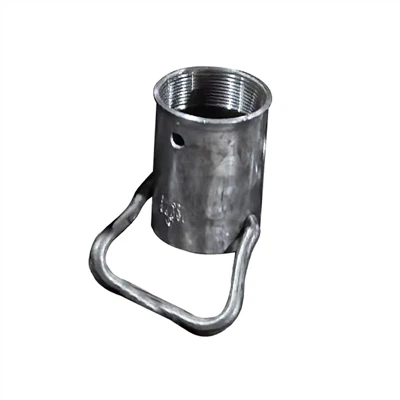
And we’re always here to help. If you have any questions about transporting our regulators or using them, our customer service team is just a phone call or an email away. We’re committed to providing you with the best products and the best service.
Gas Cylinder Flange If you’re in the market for regulators for LPG cylinders, I encourage you to get in touch with us. Whether you’re a small business owner or a large manufacturing company, we have the products to meet your needs. We can offer you competitive prices, quality products, and excellent customer service. So, don’t hesitate to reach out and start a conversation with us about your procurement needs. We’re looking forward to working with you!
References
- "Safety Guide for LPG Cylinder Handling", International LPG Association
- "Best Practices in Transporting Hazardous Materials", Department of Transportation
Address:
E-mail: bao@lu-chain.com
WebSite: https://www.lu-chain.com/
