How does the coating on an Anilox Sleeve impact performance?
As a seasoned Anilox sleeve supplier, I’ve witnessed firsthand the profound influence that the coating on an Anilox sleeve can have on its performance. In the world of printing and coating applications, Anilox sleeves are indispensable components, and the coating they carry is a critical factor that can make or break the quality of the final output. Anilox Sleeve
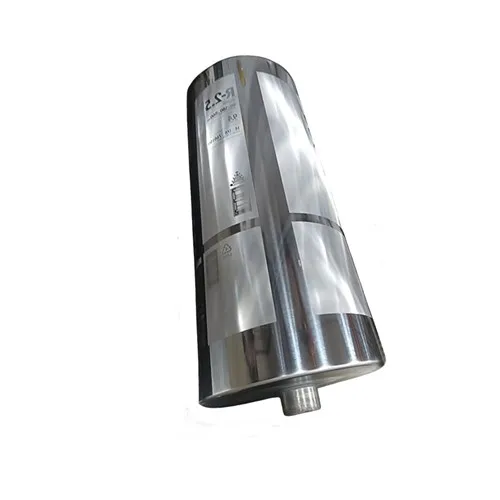
Understanding the Basics of Anilox Sleeves and Their Coatings
An Anilox sleeve is a precision-engineered component used in flexographic and gravure printing, as well as in coating and laminating processes. It is typically made of a metal core, usually aluminum, onto which a ceramic or other advanced coating is applied. The sleeve is then engraved with a precise pattern of cells that hold and transfer ink or coating material to the printing or coating surface.
The coating on an Anilox sleeve serves several essential functions. Firstly, it provides the surface on which the cells are engraved. The quality and properties of the coating determine the accuracy and consistency of the cell geometry, which in turn affects the volume and distribution of the ink or coating transferred. Secondly, the coating protects the metal core from wear and corrosion, extending the lifespan of the sleeve. Thirdly, it can influence the surface tension and wetting characteristics of the sleeve, which are crucial for proper ink or coating transfer.
Impact on Ink Transfer Efficiency
One of the primary performance indicators of an Anilox sleeve is its ink transfer efficiency. The coating on the sleeve plays a significant role in this aspect. A high-quality coating with a smooth and uniform surface finish allows for better ink release from the cells. When the ink is transferred from the sleeve to the printing plate or substrate, a smooth coating reduces the friction between the ink and the sleeve surface, enabling more efficient transfer.
For example, ceramic coatings are widely used in Anilox sleeves due to their excellent hardness and smoothness. The hardness of ceramic coatings helps to maintain the integrity of the engraved cells, preventing them from wearing down over time. This ensures that the ink volume transferred remains consistent throughout the printing process. Additionally, the smooth surface of ceramic coatings promotes good wetting of the ink, allowing it to spread evenly within the cells and be transferred more effectively.
On the other hand, a poor-quality coating with a rough or uneven surface can lead to several problems. Rough surfaces can cause the ink to adhere to the sleeve, resulting in incomplete ink transfer and uneven print quality. Moreover, the uneven surface may cause variations in the cell volume, leading to inconsistent ink coverage on the substrate.
Influence on Print Quality
Print quality is another crucial aspect that is directly affected by the coating on an Anilox sleeve. The accuracy of the cell geometry, which is determined by the quality of the coating, has a significant impact on the sharpness and clarity of the printed image. A well-coated Anilox sleeve with precisely engraved cells can reproduce fine details and small dots more accurately, resulting in high-resolution prints.
In addition to cell accuracy, the surface properties of the coating can also affect print quality. For instance, the surface tension of the coating can influence how the ink spreads on the substrate. A coating with the right surface tension can help the ink to spread evenly, reducing the appearance of ink puddles or gaps in the print.
Furthermore, the durability of the coating is essential for maintaining consistent print quality over time. As the sleeve is used repeatedly, the coating is subjected to wear and tear from the printing process. A durable coating can resist abrasion and corrosion, ensuring that the cell geometry remains intact and the ink transfer remains consistent. This is particularly important in long-run printing jobs, where even minor variations in print quality can be noticeable.
Impact on Coating Process Performance
In coating applications, the coating on the Anilox sleeve also has a profound impact on the performance of the coating process. Similar to ink transfer in printing, the efficiency of coating material transfer is crucial. A high-quality coating can ensure that the coating material is evenly distributed across the substrate, resulting in a uniform coating thickness.
The surface properties of the coating can also affect the adhesion of the coating material to the substrate. A coating with appropriate surface energy can promote good adhesion, preventing the coating from peeling or flaking off during subsequent processing or use.
Moreover, in some coating processes, such as UV-curable coatings, the coating on the Anilox sleeve needs to be compatible with the coating material and the curing process. For example, the coating should not interfere with the UV curing reaction or cause any premature curing within the sleeve cells.
Considerations for Coating Selection
When selecting a coating for Anilox sleeves, several factors need to be considered. Firstly, the application requirements play a crucial role. Different printing and coating processes may require different coating properties. For example, in high-speed printing applications, a coating with excellent wear resistance and low friction is essential to ensure consistent ink transfer and prevent damage to the sleeve.
Secondly, the compatibility of the coating with the ink or coating material is vital. Some inks or coatings may react with certain types of coatings, leading to issues such as ink bleeding, poor adhesion, or reduced print quality. Therefore, it is important to choose a coating that is chemically compatible with the materials used in the process.
Thirdly, cost is also an important consideration. While high-quality coatings may offer better performance, they often come at a higher price. As a supplier, we need to balance the performance requirements with the budget constraints of our customers and provide them with cost-effective solutions.
Conclusion
In conclusion, the coating on an Anilox sleeve has a far-reaching impact on its performance in both printing and coating applications. From ink transfer efficiency and print quality to coating process performance, the properties of the coating play a crucial role in determining the overall success of the process. As a supplier, we are committed to providing our customers with Anilox sleeves with the highest quality coatings to meet their specific needs.
Chrome Anilox Roller If you are in the market for Anilox sleeves and want to learn more about how our coatings can enhance your printing or coating performance, we invite you to contact us for a detailed discussion. Our team of experts is ready to assist you in selecting the right Anilox sleeve and coating solution for your application.
References
- "Flexographic Printing: Principles and Practices" by Gary F. Davis
- "Gravure Printing Technology" by Helmut Kipphan
- "Coating and Laminating Handbook" by Raymond A. Weiss
Kunshan Hanhan Co., Ltd.
We’re well-known as one of the leading anilox sleeve manufacturers and suppliers in China. We warmly welcome you to buy high quality anilox sleeve made in China here from our factory. If you have any enquiry about cooperation, please feel free to email us.
Address: No. 1093, B Zone, No. 2 Xugongqiao Rd, Huaqiao Town, Kunshan City, Suzhou, Jiangsu, China
E-mail: info@kshhroller.com
WebSite: https://www.kshh-roller.com/
