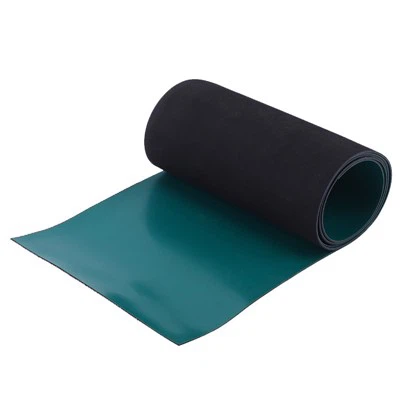
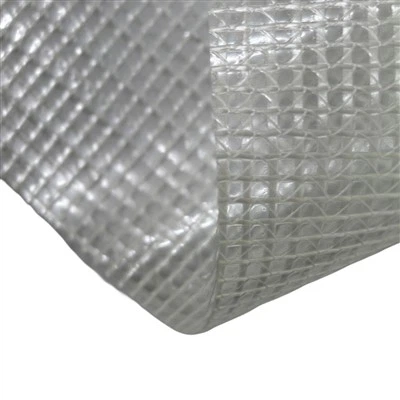
Hey there! I’m a supplier of Custom Transparent PVC Film. One of the most common questions I get asked is how humidity affects our products. Well, let’s dive right into it. Custom Transparent PVC Film
First off, what is humidity? In simple terms, humidity is the amount of water vapor in the air. It’s measured as a percentage, and it can vary a whole lot depending on the weather, the season, and where you are in the world. High humidity means there’s a lot of moisture in the air, while low humidity means there’s not much.
Now, how does this humidity stuff affect our Custom Transparent PVC Film?
Impact on Physical Properties
Softening and Stiffening
Humidity can have a real impact on the flexibility of our PVC film. When the humidity is high, the PVC film tends to absorb some of that extra moisture from the air. This absorption can act like a plasticizer in a way. You see, plasticizers are substances we add to PVC to make it more flexible. When the film takes in moisture, it can become softer and more pliable.
For example, if you’ve got a roll of our film stored in a really humid warehouse, you might notice that it’s easier to bend and shape than normal. This could be good in some cases, like if you’re using the film for a project that requires a lot of flexing. But on the flip side, if the film gets too soft, it might lose its structural integrity. It could sag or stretch out of shape, which is a big no – no if you’re using it for something that needs to hold a specific form.
On the other hand, in low – humidity conditions, the film can start to lose moisture. As it dries out, it becomes stiffer. This stiffness can make it more difficult to work with. You might find it cracking when you try to bend it or cut it. If you’re using the film for packaging, a stiff film could be more likely to tear during the packaging process, leading to wasted product and time.
Adhesion
Adhesion is another important factor affected by humidity. If you’re using our Custom Transparent PVC Film in applications where it needs to stick to something, like in laminating or when using it with adhesives, humidity plays a huge role.
In high – humidity environments, the moisture in the air can interfere with the adhesion process. The water vapor can get between the film and the surface it’s supposed to stick to, creating a barrier. This can result in poor adhesion, meaning the film might not stay in place as well as it should. You could end up with bubbles or peeling edges, which are not only unsightly but also reduce the functionality of the film.
Conversely, in low – humidity conditions, the adhesive might dry out too quickly. When the adhesive dries too fast, it doesn’t have enough time to properly bond with the film and the surface. This can also lead to weak adhesion and the same problems of peeling and bubbling.
Impact on Optical Properties
Clarity
One of the main selling points of our Custom Transparent PVC Film is its clarity. We want our customers to be able to see through the film clearly, whether it’s for packaging products so the customers can see what’s inside or for display purposes.
Humidity can mess with this clarity. When the humidity is high, the film can absorb moisture, and this moisture can cause the film to become hazy. It’s like when your glasses fog up when you go from a cold place to a warm, humid one. The same thing can happen to our PVC film. The hazy appearance can make it difficult to see through the film clearly, which is a major drawback for applications where visibility is key.
In low – humidity conditions, the film can develop static electricity. This static can attract dust and other particles from the air, which then stick to the surface of the film. These particles can also reduce the clarity of the film, making it look dirty and less appealing.
Color Stability
Our PVC film comes in a variety of colors, and we want those colors to stay vibrant and true over time. Humidity can have an impact on color stability.
In high – humidity environments, the moisture can cause the pigments in the film to break down or migrate. This means that the color might start to fade or change. You could end up with a film that doesn’t look the way it did when you first bought it. For example, if you’re using a brightly colored film for a marketing display, a faded color can make the display look less eye – catching and effective.
Low – humidity conditions can be a problem too. The dry air can cause the film to shrink slightly, which can put stress on the pigments. This stress can also lead to color changes or even cracking in the film, further affecting its appearance.
Storage and Handling Considerations
So, what can we do to deal with the effects of humidity? Well, proper storage is key.
If you’re storing our Custom Transparent PVC Film, it’s best to keep it in a controlled – humidity environment. A humidity level between 40% and 60% is generally a good range. You can use dehumidifiers in high – humidity areas to reduce the moisture in the air, and humidifiers in low – humidity areas to add some moisture back.
When handling the film, try to minimize its exposure to extreme humidity conditions. If you’re working in a very humid environment, make sure to dry the surfaces before applying the film or the adhesive. And if it’s a low – humidity day, you might want to use anti – static sprays to reduce the static build – up on the film.
How We Ensure Quality in Different Humidity Conditions
As a supplier, we’re always looking for ways to make our Custom Transparent PVC Film more resistant to the effects of humidity. We test our products in different humidity environments to see how they perform.
We use special additives in our PVC formulation. These additives can help the film resist moisture absorption in high – humidity conditions, and reduce the loss of moisture in low – humidity conditions. This helps to maintain the film’s physical and optical properties over a wider range of humidity levels.
We also have strict quality control measures in place. Before we send out any product, we check it for clarity, flexibility, and adhesion. If the film doesn’t meet our quality standards due to humidity – related issues, we won’t ship it.
In conclusion, humidity can have a significant impact on our Custom Transparent PVC Film. It affects the physical and optical properties of the film, which can in turn affect its performance in various applications. But with proper storage, handling, and our quality – control efforts, we can minimize these effects and provide our customers with a high – quality product.
If you’re in the market for Custom Transparent PVC Film and want to learn more about how we can meet your needs, especially in terms of dealing with humidity, don’t hesitate to reach out. Let’s start a conversation about your project and how our film can be the perfect fit. We’re here to help you get the most out of our products.
Antistatic PVC References
- ASTM International Standards on Plastics and Polymers
- Textbooks on Polymer Science and Engineering
Nantong Dahe Composite New Material Technology Co., Ltd.
Address: South Side of Pinghai Highway, Pinghe Village, Dongshe Town, Tongzhou District, Nantong City, Jiangsu Province, China
E-mail: nantongdahe@outlook.com
WebSite: https://www.cndahetech.com/
