Hey there! I’m a supplier of marine electrical panels, and I’ve seen firsthand how important it is for these panels to have self-diagnostic features. In this blog, I’m going to break down what these features are and why they’re a game-changer for anyone in the marine industry. Marine Electrical Panel
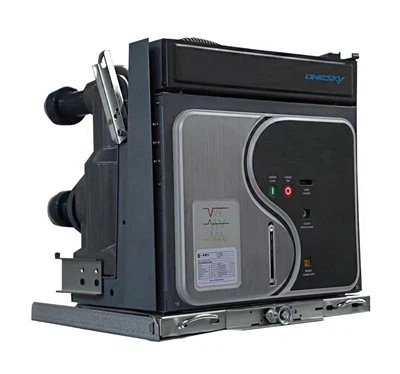
First off, let’s talk about what we mean by "self-diagnostic features." Simply put, these are built-in functions in a marine electrical panel that can detect, analyze, and report issues without the need for manual inspection every time there’s a problem. It’s like having a little electrical detective right inside your panel.
One of the most common self-diagnostic features is overcurrent protection. In a marine environment, electrical systems face all sorts of challenges, and overloading can happen easily. Maybe there’s a sudden surge in power demand from a piece of equipment, or a short circuit occurs. That’s where overcurrent protection comes in. The panel can sense when the current exceeds a safe level. Once it does, it’ll quickly shut down the affected circuit. This not only protects the equipment connected to the panel but also prevents potential fires or electrical damage to the vessel. It’s a real lifesaver, literally and figuratively, as a fire on a boat can be a disaster.
Another cool feature is the voltage monitoring. Voltage in a marine electrical system needs to be stable. Too high or too low, and it can cause problems for your electrical devices. Most modern marine electrical panels have sensors that constantly keep an eye on the voltage. If the voltage goes out of the normal range, the panel can send out an alert. This allows you to take action before your expensive electronics, like navigation systems or communication devices, start acting up.
Temperature monitoring is also crucial. Electrical components generate heat when they’re in use. In a confined space like a marine electrical panel, heat can build up quickly. Excessive heat can degrade the components over time and even lead to malfunctions. The self-diagnostic system in the panel measures the temperature inside. If it gets too hot, it can trigger a warning. You might need to check for proper ventilation or if there’s an issue with a specific component that’s causing the overheating.
Ground fault detection is yet another important self-diagnostic function. A ground fault occurs when electrical current finds an unintended path to the ground. This can be extremely dangerous, as it poses a risk of electric shock to anyone on board. The marine electrical panel can detect these abnormal currents and cut off the power to the affected circuit. This way, it ensures the safety of everyone on the vessel.
One of the great things about these self-diagnostic features is that they can provide valuable data. Many panels are now equipped to log information about electrical events. For example, they can record how many times an overcurrent event occurred, at what time, and for how long. This data can be a goldmine for maintenance crews. They can analyze it to figure out if there are any recurring problems or if there are certain patterns emerging. Maybe there’s a particular piece of equipment that’s causing frequent overloading. With this data, you can take proactive steps to fix the issue before it becomes a major headache.
Now, let’s talk about how these features benefit boat owners and operators. For starters, they save time. Instead of spending hours trying to track down an electrical problem, the self-diagnostic panel can quickly point out where the issue lies. This means less downtime for the vessel, which is especially important for commercial boats that rely on their electrical systems to operate.
They also save money. By preventing damage to electrical components, the panel can reduce the need for costly repairs or replacements. And let’s not forget about the safety aspect. The peace of mind that comes with knowing your electrical system is being constantly monitored and protected is priceless. Whether you’re a weekend sailor or a professional captain, safety is always the top priority.
If you’re in the market for a marine electrical panel, these self-diagnostic features should be at the top of your list. They’re not just a nice-to-have; they’re a must-have in today’s modern marine world. And as a supplier, I can tell you that we’re constantly working on improving these features. We’re looking for ways to make them more accurate, more reliable, and more user-friendly.
So, if you’re interested in getting a marine electrical panel with top-notch self-diagnostic features, don’t hesitate to reach out. We’ve got a wide range of panels to suit different needs and budgets. Whether you have a small fishing boat or a large yacht, we can find the right solution for you. Just contact us, and we’ll be happy to discuss your requirements and guide you through the purchasing process.
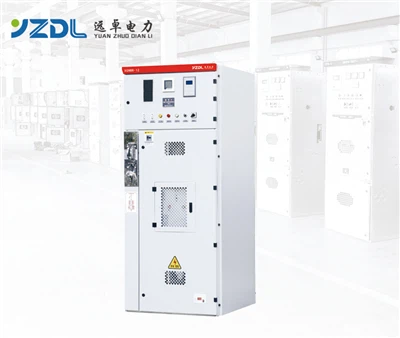
Let’s sum it all up. Self-diagnostic features in a marine electrical panel are like having a safeguard for your boat’s electrical system. They protect your equipment, ensure your safety, and save you time and money. So, why wait? Upgrade your marine electrical panel today and experience the difference for yourself.
Renewable Energy Equipment References
- "Marine Electrical Systems Handbook", a comprehensive guide on marine electrical systems
- Industry reports on the latest advancements in marine electrical technology.
Yuanzhuo Electrical Equipment (Jiangsu) Co., Ltd.
We’re well-known as one of the leading marine electrical panel manufacturers and suppliers in China. We warmly welcome you to wholesale high quality marine electrical panel at competitive price from our factory. If you have any enquiry about cooperation, please feel free to email us.
Address: Group 8, Chengdong Village, Fucheng Sub-district Office, Funing County
E-mail: markcheng1358@126.com
WebSite: https://www.yzdlchina.com/
