If you’ve worked with sheet metal parts for any length of time, you know corrosion isn’t just an eyesore—it’s the quiet enemy that can turn a perfectly machined component into a faulty part that costs you time, money, and even client trust. As a sheet metal parts supplier who’s been in this game for over a decade, I’ve seen it all: a custom bracket for a farm machinery project rusting in storage before it even shipped, a precision panel for an HVAC system failing months after installation because of a subpar coating, a batch of fasteners ruined by a single wrong cleaning step. Corrosion doesn’t have to be inevitable, though. Over the years, I’ve refined a set of practical, science-backed strategies that we build into every part we ship, and today I want to share those lessons with anyone who works with sheet metal, whether you’re a designer, a fabricator, or an end user. Sheet Metal Parts
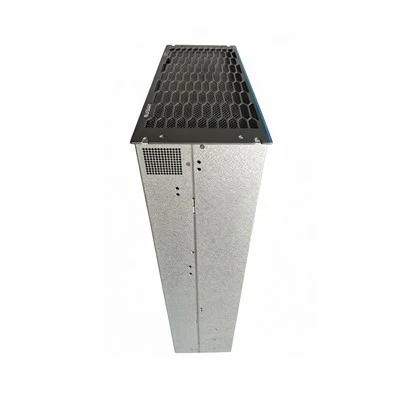
First, let’s get one thing straight: corrosion isn’t just “rust.” Most sheet metal parts are made from different alloys—carbon steel, aluminum, stainless steel, copper, even galvanized steel—and each one corrodes in its own way, driven by factors like moisture, salt, pH levels in the environment, and even the residual oils from the fabrication process. For example, carbon steel will rust when exposed to water and oxygen because it oxidizes at a fast rate, leaving that flaky, porous rust layer that doesn’t protect the underlying metal. Aluminum, on the other hand, forms a thin, natural oxide layer almost immediately when exposed to air— the tricky part is keeping that layer intact, because if it gets scratched or damaged, corrosion can spread fast. Stainless steel, while more corrosion-resistant, isn’t invincible; it can suffer from pitting or crevice corrosion if it’s exposed to chloride (like road salt or coastal air) or if it’s contaminated with iron particles from other metals during fabrication. That’s why our first line of defense starts before the part even leaves our shop floor—with material selection and careful fabrication practices.
When a client comes to us with a project, the first question we ask isn’t “What do you need?”—it’s “Where will this part operate?” A bracket for a food processing plant, where cleanliness is non-negotiable and there’s regular exposure to cleaning chemicals, will need a different alloy than a bracket for a marine application, where saltwater and high humidity are constant. For a food processing part, we often recommend 316 stainless steel instead of the more common 304 grade, because 316 has molybdenum added to its alloy, which boosts its resistance to chloride and acidic cleaners. For parts that will be outside year-round, say for a solar farm in the Southwest U.S. where temperatures swing wildly and there’s occasional rain, we’ll suggest galvanized steel—hot-dip galvanized, not electro-galvanized, because the hot-dip process creates a thicker, more uniform zinc layer that bonds directly to the steel, acting as both a barrier and a sacrificial anode. That means if the zinc gets scratched, it will corrode instead of the underlying steel, which is a huge win for long-term durability.
Once we pick the right material, the next step is controlling the fabrication process to avoid introducing corrosion risks. One of the most common mistakes we see is residual material left on parts after cutting, bending, or welding. When we cut sheet metal with plasma or laser, tiny amounts of slag, dross, or even the cutting fluid can get trapped in the part’s edges or crevices. If we don’t remove that, it can hold moisture against the metal, creating a corrosion cell that starts rusting before the part is even installed. That’s why we have a strict post-fabrication cleaning protocol: every part gets a degreasing step first, using a pH-neutral cleaner that’s tough on oil and dirt but gentle enough not to damage the metal’s natural oxide layer. Then, for parts with sharp edges or complex geometries, we use a vibratory finishing process with non-abrasive media to smooth out rough areas and remove any leftover slag. For welded parts, we always wire-brush and wipe down the weld area immediately after welding to remove weld spatter and any flux residue, because flux can be highly corrosive if left on. We also never use steel tools on aluminum parts—steel contamination is a major culprit for aluminum corrosion, because the dissimilar metals create a galvanic cell when exposed to moisture. So all our tools for aluminum are brass or plastic, and we have dedicated workstations for each alloy to avoid cross-contamination.
After cleaning comes the coating step, and this is where a lot of suppliers cut corners— but it’s also the most effective way to prevent corrosion. Coating works by creating a physical barrier between the metal and the corrosive elements in the environment, and sometimes adding a sacrificial layer to slow down corrosion even more. The type of coating we use depends on the part’s material and its intended use. For carbon steel parts that will be used indoors or in a low-humidity environment, like a cabinet bracket for an office building, we use a powder coating. Powder coating is better than wet paint, in our experience, because it’s thicker, more durable, and has fewer VOCs (volatile organic compounds, which are bad for the environment and can also react with metal over time). We use a polyester powder coat, which is flexible enough to bend with the sheet metal without cracking, and we bake it on at 400 degrees Fahrenheit to ensure it cures fully. For parts that will be outdoors, though, we switch to a powder coat with an acrylic or polyurethane base, which is more resistant to UV rays—regular polyester powder can fade and crack after a couple of years in the sun, leaving the metal exposed. For galvanized steel parts, we use a zinc-rich primer before the top coat, because the zinc in the primer adds an extra layer of sacrificial protection. For aluminum parts, we often use anodizing instead of paint. Anodizing is an electrochemical process that grows the oxide layer thicker and more uniform than the natural one, so it’s far more scratch-resistant and corrosion-resistant. We can even color-anodize aluminum, which is a bonus for clients who want both function and aesthetics. For parts that will be in highly corrosive environments, like offshore equipment or chemical processing plants, we use a two-part epoxy coating that’s applied as a liquid and cured at room temperature— it creates a super-tough, impermeable layer that can withstand strong acids and salt spray.
But even the best coating will fail if the part isn’t stored and shipped correctly. That’s a step that many people overlook, rightfully so—until they get a shipment of parts that arrived at the job site with rust on the edges. We used to make this mistake early on, storing finished parts in cardboard boxes that absorbed moisture from the air, or stacking heavy parts on top of each other which scratched the coating. Now, we have a dedicated storage area for finished parts that’s temperature-controlled and has dehumidifiers running to keep humidity below 50%. We wrap each individual part in a VCI (volatile corrosion inhibitor) paper, which releases a tiny, invisible vapor that forms a protective layer on the metal’s surface—even if there’s a small scratch in the coating, the VCI vapor will slow down corrosion. We also use plastic crates instead of cardboard boxes for shipping, and we add foam dividers between parts to prevent scratching. For long-term storage (more than 6 months), we’ll even bag parts in a breathable plastic film that keeps moisture out but doesn’t trap condensation inside.
Once the parts are installed, there are still small things that can help prevent corrosion, and we always share these tips with our clients. For example, if you’re assembling multiple sheet metal parts made from different alloys (like an aluminum bracket bolted to a steel frame), you should use a dielectric sealant between them. Dissimilar metals in contact create a galvanic corrosion cell, and the sealant acts as an insulator to prevent that. Also, making sure drainage holes are correctly placed in parts that will be outdoors—anywhere water can pool, it will start corroding the metal, so adding holes to let water run off is a simple but effective step. For parts that are exposed to salt (like parts on a boat or a vehicle), regular washing with fresh water to remove salt residue goes a long way.
I know a lot of people think corrosion is unavoidable, especially for sheet metal parts that are used in harsh conditions. But over 12 years in this industry, I’ve seen parts last 10, 15, even 20 years without rust—all because of small, intentional steps taken at every stage: choosing the right material, cleaning properly, applying the right coating, storing it correctly, and following simple maintenance tips. The worst thing a fabricator can do is cut corners on any of these steps to save a few bucks—because a part that fails prematurely costs the client far more in repairs, replacements, and downtime.
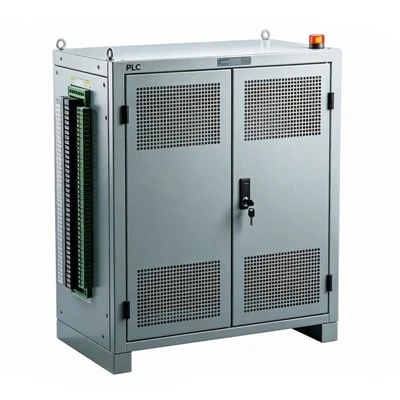
At the end of the day, preventing corrosion isn’t about one big solution—it’s about a holistic approach that starts with understanding the specific needs of the part, not just a one-size-fits-all process. We don’t just sell sheet metal parts; we sell parts that will perform, look good, and last for years, and corrosion prevention is a huge part of that promise. If you’re working on a project and want to make sure your sheet metal parts stay corrosion-free, or if you have questions about material selection, coating options, or storage best practices, feel free to reach out to our team to discuss your needs. We’re here to help you build parts that stand the test of time, no matter the environment.
Sheet Metal Enclosure References:
- ASM International. (2005). Corrosion: Fundamentals, Testing, and Protection. ASM Handbook, Volume 13A.
- Davis, J.R. (2000). Corrosion of Aluminum and Aluminum Alloys. ASM International.
- Tuthill, A.H., & Schmitt, G. (1995). Protective Coatings for Metals. National Association of Corrosion Engineers (NACE) International.
Hefei Excellent Intelligent Technology Co., Ltd.
As one of the most professional sheet metal parts manufacturers in China, we’re featured by quality products and good service. Please rest assured to wholesale bulk customized sheet metal parts made in China here from our factory. Also, pricelist is available.
Address: No. 3 Jingyi Road, Douzhen Industrial Park, Gangji Town, Changfeng County, Hefei City, Anhui Province
E-mail: 1637201948@qq.com
WebSite: https://www.cnakst.com/
