Hey everyone, Medical Disposables
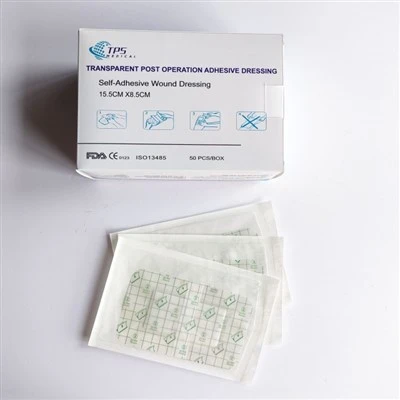
If you’ve ever walked into a hospital, clinic, or even a dentist’s office, you’ve probably seen stacks of what we call “medical disposables” – those single-use items that are tossed after one patient, one procedure, or even one use. But have you ever stopped to wonder why we don’t just clean and reuse them like regular tools? I’m part of a medical disposables supply team, and let me tell you, these aren’t just random plastic bits. Each one has a super specific job, and skipping that would cause all kinds of problems for patients and the folks working in healthcare.
First off, let’s get the basics straight: medical disposables are any single-use items designed to keep things clean, prevent infection, and make procedures smoother. We’re not talking about the big machines or the reusable scalpels – we’re talking about the stuff you might not even notice unless you’re paying attention. From the tiny gloves a nurse uses to wrap a wound to the big plastic drapes that cover an operating table, every single one serves a purpose. And honestly, if you’re a clinic manager, a small practice owner, or even someone who stocks first aid kits at home, knowing what each of these does can help you pick the right stuff when you need it.
Let’s start with the most common ones people know but might not fully understand: gloves. Wait, not just any gloves – medical gloves come in two main types, right? Nitrile and latex (though some people are allergic to latex, so we mostly go nitrile these days for safety). What do they do? First, they act as a barrier. When a nurse is giving you a flu shot, they don’t want their hands (which might have tiny cuts or bacteria) touching your skin or the needle site. And they definitely don’t want any of your blood or bodily fluids getting on their hands – that’s how infections spread. But there’s more: examination gloves (the thin, disposable ones) are for quick tasks, like checking a sprained ankle or cleaning a cut. Then there are surgical gloves – thicker, sturdier, powder-free – for when someone’s cutting into a body, like during appendectomy or a C-section. Those have to prevent even tiny leaks, because a single drop of fluid could cause a surgical site infection. Reusing gloves is a huge no-no; even if you wash them, the material gets tiny holes, and bacteria can sneak through. That’s why we supply them in bulk, because every shift, every patient, every task needs a fresh pair.
Next up: those tiny, colorful adhesive bandages? Wait, no, let’s talk about something a little bigger but still super important – surgical drapes and gowns. Ever been in a hospital room and seen a big green plastic-like sheet draped over you except for the spot where the doctor is working? That’s a surgical drape. Its job is twofold: first, it creates a sterile field. The area where the procedure is happening has to be completely free of bacteria, so the drape keeps the rest of the patient’s skin (which has bacteria) away from that spot. Second, it keeps the area dry. If the doctor is using a liquid antiseptic or even irrigation fluid during surgery, the drape catches it so it doesn’t get on other parts of the patient or the operating table. And then there are the gowns – disposable, waterproof, for the people doing the procedure. A regular lab coat can’t block blood or fluid splashes, so these gowns protect the healthcare worker too. If we reused gowns, even if you wash them, the fabric gets frayed, and splashes can seep through. That’s why our team makes sure to have gowns in stock for every department – from ERs to outpatient surgery centers.
What about the stuff you might see in a dentist’s office? Dental disposables are a whole category on their own. Think about those little suction tubes dentists use in your mouth – they’re called saliva ejectors, and their only job is to suck up spit, water, and debris so the dentist can see what they’re doing. If you had to reuse one, leftover food particles from the last patient would get stuck in the tubing, grow bacteria, and end up in your mouth. Then there are dental dams – those thin latex or nitrile sheets the dentist puts over your teeth when they’re doing a root canal or filling. They keep the other teeth and your gums safe from the drill, the filling material, and any bacteria in the mouth. Plus, they prevent you from swallowing any small tools or fragments during the procedure. I’ve heard some people think dental dams are just a hassle, but trust me, they’re a game-changer for preventing cross-contamination between patients.
Now let’s get to some of the less flashy but super critical ones: wound care disposables. Ever had a bad cut that the nurse cleaned with iodine, covered with a sterile gauze pad, and wrapped in a bandage? The gauze isn’t just there to absorb blood – it’s sterile. Regular gauze from a first aid kit at home might not be sterile, so it can add bacteria to a fresh wound, which leads to infection. Then there are things like alcohol swabs and betadine wipes – those are single-use, because once you open a swab, it’s exposed to air and gets dirty, so you can’t save it for the next patient. Even something as simple as a hypoallergenic adhesive tape (to hold the gauze on) is a disposable item – regular duct tape is too sticky and can irritate skin, especially if someone is wearing it for days. We also supply things like abdominal pads for big wounds, which are thicker and can absorb more fluid than regular gauze. For someone running a wound care clinic, having the right disposables here isn’t just convenient – it’s necessary to keep patients from getting sepsis or other infections.
Wait, what about disposables used in testing? Like COVID tests, or even the old pregnancy tests, but also things like blood glucose test strips. Those are definitely disposables, and their function is super specific. A blood glucose test strip has a tiny chemical pad that reacts with blood to give a reading. If you tried to reuse one, the chemical would be gone, and you’d get a wrong number – which could be dangerous for a diabetic who relies on that number to adjust their insulin. Then there are the swabs used for COVID tests, strep tests, and other diagnostic tests. Those swabs have a soft tip that’s designed to pick up cells from the back of the throat or nose, and once you use it, you can’t clean it and reuse it – it would push bacteria around instead of collecting a sample. For a lab, using disposable test swabs ensures that each sample is pure, so the test results are accurate. That’s why we work with small labs and even home healthcare teams to make sure they have the right test disposables on hand – a wrong test result can lead to the wrong treatment, which is a big problem.
Let’s not forget about urinary and feeding disposables. Like catheters – those thin tubes that help someone who can’t pee on their own, or a feeding tube for someone who can’t eat. These are 100% single-use, because inserting a reusable tube would mean dragging bacteria from the last use into someone’s body, which can cause a urinary tract infection (UTI) or other serious infections. Even the bag that collects urine from a catheter is disposable – it’s designed to be sterile and has a special valve to prevent backflow, which stops bacteria from getting into the bladder. Feeding tubes work the same way: each time you insert a new feeding tube, you use a disposable one, because the old one would have leftover formula and bacteria inside. For home healthcare patients, these disposables are a daily need – if you run out, you might be tempted to reuse a catheter, which can lead to a hospital stay, and that’s the last thing anyone wants.
Now, here’s a question I get a lot: why not just make more reusable items that are safer? I get it, sustainability is a big deal, and we’re all trying to cut down on waste. But medical disposables aren’t just about convenience – they’re about safety. Let’s say you have a reusable surgical instrument that you autoclave (steam sterilize) after each use. Even if you do that perfectly, there’s a tiny risk that some bacteria or viruses survive, especially if the instrument has tiny crevices (like a pair of scissors) that the steam can’t reach. With disposables, you eliminate that risk entirely – you use it once, throw it away, and start fresh. The EPA actually has stats on this: healthcare-associated infections (HAIs) are one of the top causes of death in the U.S., and using the right disposables is a big part of preventing them. That’s why our team prioritizes high-quality, FDA-registered disposables – cutting corners on cheap, non-sterile stuff isn’t worth the risk.
But wait, that doesn’t mean we’re not thinking about sustainability. We know that single-use items add to waste, so we work with suppliers that make biodegradable disposables whenever possible. For example, some of our gloves are made from natural rubber latex that’s compostable, and our surgical drapes are made from plant-based materials that break down faster than plastic. We also offer bulk ordering for practices that want to reduce their packaging waste, since less shipping means less overall carbon footprint. It’s a balance: we need to keep patients safe, but we also want to do right by the planet.
Let me tell you a quick story that shows why this matters. A few years back, a small clinic we work with tried to save money by reusing examination gloves. They washed them with a medical-grade disinfectant, but one shift, a nurse noticed a tiny hole in a glove right after she put it on. The next patient, a 50-year-old woman with diabetes, ended up getting an infection from bacteria that snuck through that hole. She had to stay in the hospital for a week, and the clinic had to pay for her treatment. That’s when they realized that the $5 they saved on gloves per patient was nothing compared to the cost of a hospital stay. Since then, they’ve been a regular bulk customer of ours, because they know good disposables are an investment, not an expense.
So, whether you’re a nurse stocking up for your shift, a clinic manager ordering for your team, or someone who just wants to understand what all that stuff is in your doctor’s office, the key takeaway is: every medical disposable has a specific, life-saving job. It’s not just plastic or fabric – it’s a barrier, a sterile field, a sample collector, or a way to prevent infection. Cutting corners on these items isn’t worth it.
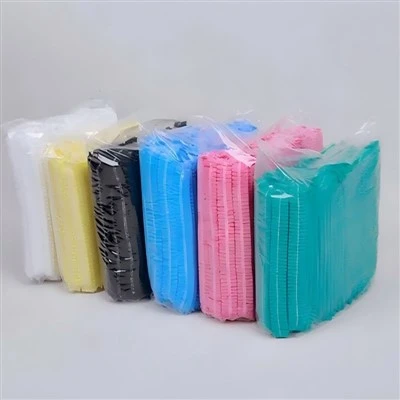
If you’re in the market for reliable, high-quality medical disposables, whether you need gloves, gowns, wound care supplies, test kits, or anything in between, feel free to reach out to our team for a customized quote or to ask any questions. We’re here to make sure you have the right supplies to keep patients safe and your practice running smoothly.
Medical Tape References
- Centers for Disease Control and Prevention (CDC). Guidelines for Infection Control in Health Care Facilities. 2019.
- World Health Organization (WHO). Global Patient Safety Challenge: Clean Care is Safer Care. 2021.
- Association for the Advancement of Medical Instrumentation (AAMI). Standard for Sterilization of Medical Devices. 2020.
- Environmental Protection Agency (EPA). Sustainable Practices in Healthcare Waste Management. 2022.
Hangzhou Tuopusi Medical Products Co., Ltd.
As one of the most professional medical disposables manufacturers and suppliers in China, we offer a wide range of products with superior quality. Please feel free to wholesale bulk customized medical disposables at competitive price from our factory. Also, free sample is available.
Address:
E-mail: sales@tpsmedic.com
WebSite: https://www.medressing.com/
