If you’ve ever stood beside a heavy excavator on a jobsite, sweating through a 90-degree afternoon, you know there’s no room for avoidable downtime. A blown hydraulic seal or seized engine part because you skipped a simple oil level check isn’t just an inconvenience—it can delay a whole project, eat into profits, and leave your team short-handed. As an excavator supplier who’s been working with operators and fleet managers for 12 years, I’ve seen this mistake more times than I can count: someone assumes the oil is fine, skips the 10-minute check, and ends up with a $2,000 repair bill that could have been prevented. That’s why today, I’m walking you through exactly how to check your excavator’s oil level correctly—no jargon, no confusing charts, just the practical steps I’ve taught to hundreds of operators across North America. Excavator
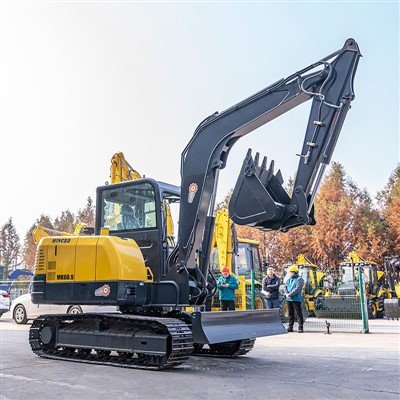
First, let’s clear up a common misconception: checking oil isn’t just for cars or light-duty trucks. Excavators run on two critical oil systems, and skipping either will derail your machine fast. There’s engine oil, which lubricates the engine’s moving parts (pistons, crankshaft, valves) to keep it from overheating and wearing out prematurely, and hydraulic oil, which powers the dig arm, bucket, swing function, and every other hydraulic movement that makes your excavator work. Most operators I work with nail the engine oil check but fumble the hydraulic one, or vice versa, so I’m covering both to make sure you don’t overlook either.
Before you even reach for the dipstick, there are non-negotiable pre-check steps that make your reading accurate—skip these, and you’re just guessing. First, park your excavator on flat, firm ground. I can’t stress this enough: even a 5-degree tilt will shift oil away from the dipstick tube, giving you a false low reading. On uneven jobsites, grab your grade stakes or a long spirit level to confirm the main undercarriage is perfectly level. Next, turn off the engine and set the parking brake, then lower all attachments (the bucket and arm) to the ground. This lets residual oil drain back into the respective reservoirs, so you’re not measuring oil trapped in lines or working components. For engine oil, wait 5 to 10 minutes after shutting off the engine; if you check it right after running, hot oil is thinner and can give a misleading high reading as it splatters inside the engine. For hydraulic oil, wait 15 minutes after lowering attachments—hydraulic systems hold more oil, so it takes longer to settle. If your machine has been running heavy loads (digging rock, moving full buckets), add 5 extra minutes to that wait time.
Now, let’s start with engine oil, the easier of the two to check. Locate the engine oil dipstick—on most mid-size and large excavators, it’s a bright yellow or orange handle, mounted on the side of the engine compartment, about waist height for easy access. Before pulling it out, wipe the tip clean with a lint-free rag (I keep a pack of these in my toolbox for exactly this) to remove any old oil that would skew your next reading. Push the dipstick all the way back into the tube until it clicks, then pull it out again. Look at the end: you’ll see two marks, usually labeled “MIN” (or “L”) and “MAX” (or “FULL”). The oil should sit between these two marks. If it’s below MIN, you’re low—add the correct grade of engine oil right away, never guessing. If it’s above MAX, you’ve overfilled, which can cause foaming and reduce lubrication efficiency, so you’ll need to drain a small amount. A quick note: always check your excavator’s manual for the exact oil grade—most new excavators use 15W-40 for standard use, but cold-climate models may need a lighter 10W-30.
Next, hydraulic oil, the part where most folks go wrong. The hydraulic reservoir is usually a larger, labeled tank, often with a transparent sight gauge on the side (this is way easier and less messy than pulling a dipstick, but I’ll cover both). First, confirm the machine is still level, attachments are lowered, and the engine is off. For the sight gauge: it’s a small plastic or metal window on the front or side of the hydraulic tank, with the same “MIN” and “MAX” marks. The oil level should be right between them, and the oil should be clean, amber-colored—if it’s dark, gritty, or has a burnt smell, that’s a sign it needs a change, not just a top-off. If your excavator doesn’t have a sight gauge (common on some compact models), there’s a hydraulic oil dipstick, usually with a blue handle (to distinguish it from the engine oil’s yellow/orange one). Wipe the dipstick clean, insert it fully, pull it out, and check the level against the marks, same as the engine oil. One pro tip I learned from a veteran operator in Texas: if you work in dusty jobsites, wipe the cap of the oil reservoir before pulling the dipstick or opening the sight gauge. Dust getting into the oil system will cause premature wear, and that’s a repair I’d rather you avoid.
Wait a second—what about when you’re checking oil after a long day of work vs. first thing in the morning? I always recommend checking oil at the start of your shift, before the machine is warm. Cold oil is thicker, settles correctly, and gives you the most accurate baseline. If you check mid-shift after running heavy loads, oil is at operating temperature, which expands, so your reading might look higher than it actually is. That said, if you notice unusual noises from the engine or hydraulic system mid-shift, a quick oil check is still worth it—just note that your reading might not be the absolute cold level, so top off conservatively if it’s near MIN.
Now, how often should you do this? For everyday use on standard jobs, check engine oil and hydraulic oil every 10 operating hours, or at the start of each shift. For heavy-duty use—digging hard rock, loading haul trucks for 8+ hours a day, working in extreme temperatures (below freezing or over 100 degrees)—check every 5 operating hours. Most new excavators have a multi-function display in the cab that will alert you when oil is low, but that’s a supplementary tool, not a replacement for a manual check. I’ve had clients who relied solely on the dash alert, only to have a sensor fail and end up with a seized engine—never skip the physical check, even if the dash says it’s fine.
What are the signs you should check oil outside of your routine schedule? If your excavator is running rough, the engine is knocking, or the hydraulic arm is slow to respond, stop what you’re doing and check oil first. Those are classic signs of low oil, and ignoring them can lead to thousands in damages. Also, if you’ve just finished a long trip on a flatbed, the machine might have shifted, so level it and confirm your oil level before starting work again.
Now, as someone who sells excavators, I’ll be honest: I don’t just give these tips to keep your machine running. I give them because I’ve seen how a well-maintained excavator saves you money long-term. A $20 top-off of oil every shift is way cheaper than a $5,000 engine overhaul. That’s why when you’re ready to invest in a machine that’s built to hold up to those regular oil checks (and all the other jobsite wear and tear), we’re here to help. Whether you’re a small contractor with one compact excavator or a fleet manager looking for 50 mid-size models, we can connect you to machines designed with easy access to dipsticks and sight gauges, plus manuals tailored to make those checks even simpler. We also offer on-site training for your operators to make sure everyone on your team is checking oil correctly, no matter what excavator they’re running.
I know jobsite time is valuable, and waiting for an oil check can feel like a hassle. But 10 minutes now can save you 3 days of downtime and a huge repair bill later. If you’re in the market for a new or used excavator, or just have questions about regular maintenance practices, get in touch to talk through your needs. We work with contractors across all industries, from residential landscaping to large-scale construction, and we’re here to help you keep your equipment running as hard as you do.
Lowboy Semi-Trailer References:
- Construction Equipment Maintenance Association. (2022). Heavy Machinery Oil Level Inspection and Best Practices.
- Caterpillar Inc. (2021). Excavator Operator’s Manual: Engine and Hydraulic System Maintenance.
- National Institute for Occupational Safety and Health (NIOSH). (2020). Heavy Equipment Preventive Maintenance Guidelines for Job Sites.
Jining Dafu Machinery Sales Co., Ltd.
As one of the most professional excavator suppliers in China, we’re featured by quality products and low price. Please rest assured to wholesale bulk cheap excavator from our factory. We also accept customized orders.
Address: Room 1-115, Building 7, Luxinan Auto Parts City, Qiantongdian Village, Quanpu Town, Liangshan County, Jining City, Shandong Province
E-mail: jiningdafu@163.com
WebSite: https://www.dafumachinery.com/
