When I first started in the overhead line tower supply game, I thought the answer to “who owns overhead line towers?” was cut and dried — utilities, right? Turns out it’s way messier, and as someone who’s spent the last 12 years designing, manufacturing, and shipping these things to sites across North America, I’ve learned every stakeholder has a piece of the puzzle, and the line between ownership can get blurry fast. Overhead Line Tower
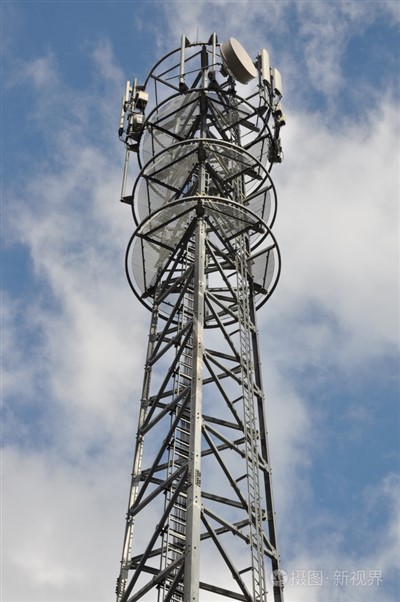
Let’s back up a sec. Overhead line towers (sometimes called transmission towers or pylon towers, depending on where you are) are those metal giants crisscrossing landscapes, holding power lines high above fields, roads, and cities. When a new power grid goes up, the first question isn’t “who builds them” — it’s “who gets to call them theirs.” For most rural projects, especially in places where the grid is owned and operated by a public utility, that’s the utility company. But I’ve dealt with so many exceptions it feels like I’m juggling different ownership scenarios every week.
Take, for example, a recent job we did in a midwestern state. The utility hired us to make 75 steel towers for a 138kV line that connects a new wind farm to the regional grid. The tower design is all theirs — they send us specs, we manufacture, we ship. Once the towers get bolted into place, that’s it: the utility owns every nut, bolt, and 80-foot steel beam. But halfway through that project, we got a call from a local land trust. Turns out the right of way the line runs through is owned by the trust, but only the land — the towers are still the utility’s. The trust isn’t responsible for repairs, maintenance, or any costs related to the towers; they just get the easement rent. That’s a small piece I almost missed early on, and it’s something that trips up a lot of new supply folks: right of way owners aren’t tower owners, unless the project is structured weirdly.
Then there are the independent power producers (IPPs) — that’s a big one now. More and more, wind and solar farms aren’t owned by the local utility; they’re run by private companies that sell power to the grid. When an IPP needs a line to get their power from the farm to a substation, they might own the towers for that segment, not the utility. Last year, we worked with a solar IPP in the Southwest that built its own 345kV line across federal land. They bought all the towers from us, financed the installation, and now they’re the ones who handle any tower repairs. The utility doesn’t own those towers, they just pays the IPP for the power that runs through them. That’s a total shift from the old model, and it’s why I always ask new clients upfront: “are you building this for your own operations, or for someone else’s?”
There’s another group I don’t see talked about enough — municipal utilities and co-ops. A lot of small towns and rural areas aren’t served by big national utilities; they have their own, community-run power outfits. A few months back, a small electric co-op in the Pacific Northwest came to us needing 40 towers for a line that serves three small towns. They owned the towers themselves, but they didn’t have the crew or the equipment to erect them — so they hired a contractor to do the installation. We didn’t get involved in installation, obviously, but it was cool to see that small community taking ownership of their power infrastructure instead of relying on a big out-of-state utility. That’s the kind of project that makes this job feel worthwhile, too.
Wait, what about when towers cross state lines, or even international borders? I once had a client in Canada, a utility that’s split between two provinces. The towers we made were owned by the provincial utility, but part of the line runs through a national park. The park service actually has a say in how the towers are maintained, even though they don’t own them. They can’t tell the utility what to do with the tower structure, but if a lightning strike knocks out a power line and the utility needs to shut down the line for repairs, the park service has to sign off — because the line runs through protected land. Again, ownership is separate from regulatory control, and that’s a key distinction.
Now, let’s talk about the gray areas, because that’s where most of my late nights on the phone with clients come from. A few years ago, we had a job where a utility was replacing old steel towers with new ones. When they removed the old towers, they sold the salvage metal to a scrapyard — but wait, did they own the old towers? Turns out, the original tower owner was a defunct power company that got bought out by the utility. The legal team had to dig through 40-year-old contracts to confirm ownership before the scrap could be sold. That’s a headache I don’t wish on anyone, and it’s why I always make sure our contracts specify exactly who holds title to the towers once they leave our factory. No ambiguity there.
Another gray area: shared-use towers. Sometimes, a utility will build a tower to hold power lines, and then a telecom company will pay to attach a cell tower or fiber optic line to it. Does that make the telecom a part-owner? No, usually not. They’re just a tenant, paying for space on the tower. But last year, a telecom client asked us if they could own the lower part of a tower to install their equipment, and the utility said no — they retained full ownership of the entire structure. That’s a common setup, but it’s important to clarify early, because it affects how we design the tower (we have to account for extra weight from telecom gear) and how we warranty it.
So why does all this matter for someone ordering overhead line towers? Let me tell you. If you’re a utility that needs a tower built tomorrow, you don’t have time to sort out ownership disputes mid-project. If you’re an IPP trying to get a renewable farm online, you need to make sure you’re the one who can call the shots on your line’s infrastructure. As a supplier, I’ve had to adjust our process to ask a lot more questions these days, not just “what’s the voltage” or “how tall do you need it.” We’ll ask: who’s going to own this tower once it’s installed? Are there any easements or regulatory agencies that will need sign-off during installation? Do you have the budget for long-term maintenance, because the owner will be responsible for that.
For a long time, I thought ownership of overhead line towers was a simple “utility = owner” thing. But the energy grid is changing — more renewable projects, more community-owned power, more cross-border lines — and the lines are moving. Now, instead of just supplying steel and bolts, I’m helping clients navigate the ownership stuff, because if you get that wrong, the whole project can stall.
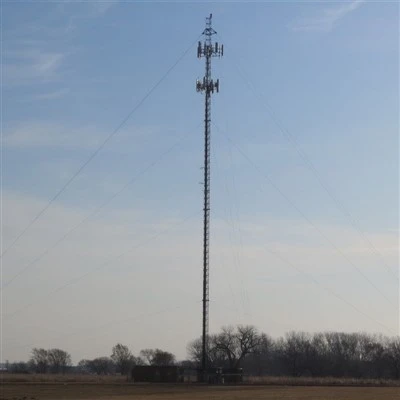
If you’re in the market for overhead line towers, don’t leave ownership as an afterthought. Don’t just tell your supplier “I need 100 115kV towers” — tell them who will own those towers. If you’re not sure, talk to your legal team before you reach out. And if you’re tired of suppliers that act like ownership is some big secret you have to dig for, hit us up. We’ll walk through every part of the process, from design to delivery, and make sure there’s no confusion about who’s responsible for what once those towers go up.
Communication Towers References
- International Energy Agency. (2022). Grid Infrastructure for Renewable Energy Deployment.
- North American Electric Reliability Corporation. (2021). Transmission Ownership and Right-of-Way Practices.
- Federal Energy Regulatory Commission. (2020). Independent Power Producer and Transmission Asset Ownership Guidelines.
- American Society of Civil Engineers. (2019). Overhead Line Tower Design and Ownership Standards.
Hebei Yifeng Steel Structure Co., Ltd.
As one of the most professional overhead line tower manufacturers and suppliers in China, we offer a wide range of products with superior quality. Please feel free to buy cost-efficient overhead line tower for sale here from our factory. Contact us for more details.
Address: Guangchuan Town Industrial Zone, Jing County, Hengshui City, Hebei Province
E-mail: hbyfgjg@163.com
WebSite: https://www.yf-powertowers.com/
