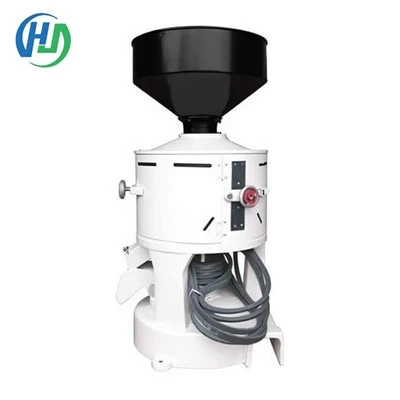
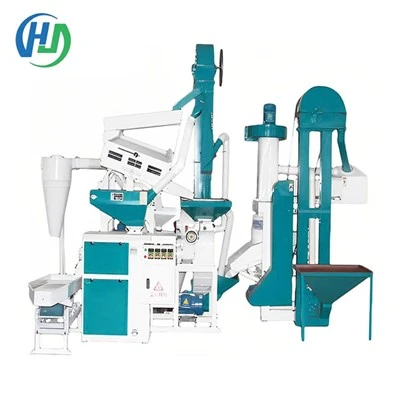
When it comes to clean peeling equipment, proper installation is crucial for ensuring its optimal performance and longevity. As a trusted supplier of clean peeling equipment, I understand the importance of guiding our customers through the installation process. In this blog, I will delve into the key installation requirements for clean peeling equipment, providing you with a comprehensive understanding of what is needed to set up your equipment correctly. Clean Peeling Equipment
1. Site Preparation
The first step in installing clean peeling equipment is to prepare the installation site. This involves several important considerations:
Space Requirements
Clean peeling equipment typically requires a dedicated area with sufficient space for the machine itself, as well as room for operators to move around safely. The specific space requirements will depend on the size and model of the equipment. It is essential to refer to the equipment’s technical specifications to determine the exact dimensions needed. Additionally, leave some extra space around the machine for maintenance and future expansion.
Floor Conditions
The floor where the equipment will be installed must be level, stable, and able to support the weight of the machine. Uneven floors can cause the equipment to vibrate, which may lead to premature wear and tear or affect the peeling quality. If the floor is not level, it may be necessary to use shims or levelers to ensure proper alignment. The floor should also be clean and free of debris to prevent any damage to the equipment during installation.
Ventilation
Proper ventilation is essential for clean peeling equipment, especially if it generates heat or fumes during operation. Adequate ventilation helps to maintain a comfortable working environment and prevents the buildup of harmful gases. The installation site should have sufficient ventilation systems, such as exhaust fans or air ducts, to remove any heat or fumes generated by the equipment. It is important to follow the manufacturer’s recommendations regarding ventilation requirements.
Power Supply
Clean peeling equipment requires a stable and appropriate power supply. The voltage and frequency of the power supply must match the specifications of the equipment. It is crucial to have a dedicated electrical circuit for the equipment to avoid overloading and ensure safe operation. Additionally, the electrical connections should be made by a qualified electrician to comply with electrical safety standards.
2. Equipment Assembly
Once the installation site is prepared, the next step is to assemble the clean peeling equipment. This process typically involves the following steps:
Unpacking and Inspection
Carefully unpack the equipment and inspect all the components for any damage or missing parts. Check the packing list to ensure that all the necessary parts are included. If any damage or missing parts are found, contact the supplier immediately for replacement.
Installation of Major Components
Follow the manufacturer’s instructions to install the major components of the equipment, such as the peeling unit, conveyor system, and control panel. Use the appropriate tools and hardware to ensure a secure and proper installation. Make sure that all the components are aligned correctly and tightened to the recommended torque.
Connection of Electrical and Pneumatic Systems
Connect the electrical and pneumatic systems according to the wiring diagrams and instructions provided by the manufacturer. Ensure that all the connections are secure and properly insulated to prevent electrical hazards. Test the electrical and pneumatic systems to ensure that they are functioning correctly.
Calibration and Adjustment
After the equipment is assembled, it is necessary to calibrate and adjust it to ensure optimal performance. This may involve setting the peeling parameters, such as the peeling speed, pressure, and depth, according to the specific requirements of the product being peeled. The calibration and adjustment process should be carried out by a trained technician to ensure accurate and consistent results.
3. Safety Considerations
Safety is of utmost importance when installing clean peeling equipment. Here are some key safety considerations to keep in mind:
Personal Protective Equipment (PPE)
Operators should wear appropriate personal protective equipment, such as safety glasses, gloves, and ear protection, during the installation process. This helps to protect them from potential hazards, such as flying debris, electrical shock, and noise.
Lockout/Tagout Procedures
Before starting any installation or maintenance work on the equipment, it is essential to follow the lockout/tagout procedures. This involves isolating the equipment from the power source and applying a lockout/tagout device to prevent accidental startup. This helps to ensure the safety of the operators and maintenance personnel.
Safety Guards and Interlocks
The clean peeling equipment should be equipped with safety guards and interlocks to prevent access to moving parts and hazardous areas. These safety features should be installed and maintained in accordance with the manufacturer’s instructions. Regularly inspect the safety guards and interlocks to ensure that they are functioning properly.
Training and Education
All operators and maintenance personnel should receive proper training on the safe operation and maintenance of the clean peeling equipment. This includes training on the use of personal protective equipment, lockout/tagout procedures, and emergency response procedures. The training should be provided by a qualified instructor and should be updated regularly to keep up with any changes in the equipment or safety regulations.
4. Commissioning and Testing
Once the equipment is installed and assembled, it is necessary to commission and test it to ensure that it is functioning properly. This involves the following steps:
Initial Startup
Before starting the equipment, carefully review the operating manual and ensure that all the safety procedures are followed. Start the equipment slowly and monitor its operation closely. Check for any abnormal noises, vibrations, or leaks. If any issues are detected, stop the equipment immediately and troubleshoot the problem.
Performance Testing
Conduct performance testing to verify that the equipment is meeting the specified performance criteria. This may involve testing the peeling efficiency, peeling quality, and throughput. Use appropriate testing methods and equipment to ensure accurate and reliable results. If the equipment does not meet the performance criteria, make the necessary adjustments or repairs.
Quality Assurance
Perform quality assurance checks to ensure that the peeled products meet the required quality standards. This may involve inspecting the peeled products for any defects, such as incomplete peeling, damage, or contamination. If any quality issues are detected, take appropriate measures to correct them, such as adjusting the peeling parameters or replacing the worn parts.
5. Maintenance and Support
Proper maintenance and support are essential for the long-term performance and reliability of the clean peeling equipment. Here are some key maintenance and support considerations:
Regular Maintenance
Establish a regular maintenance schedule for the equipment, including routine inspections, cleaning, lubrication, and replacement of worn parts. Follow the manufacturer’s recommendations regarding the maintenance procedures and intervals. Regular maintenance helps to prevent breakdowns and extend the lifespan of the equipment.
Spare Parts Inventory
Maintain an adequate inventory of spare parts to ensure quick and easy replacement in case of a breakdown. Work with the supplier to determine the recommended spare parts inventory based on the equipment’s usage and reliability. Keep the spare parts in a clean and organized storage area to prevent damage and ensure easy access.
Technical Support
Have access to technical support from the supplier or a qualified service provider. In case of any technical issues or questions, contact the support team for assistance. The support team should be able to provide prompt and effective solutions to ensure the smooth operation of the equipment.
Conclusion
Grain Dryer Installing clean peeling equipment requires careful planning, preparation, and attention to detail. By following the installation requirements outlined in this blog, you can ensure that your equipment is installed correctly and operates safely and efficiently. As a supplier of clean peeling equipment, we are committed to providing our customers with high-quality products and comprehensive support. If you are interested in purchasing clean peeling equipment or have any questions about the installation process, please do not hesitate to contact us. We look forward to working with you to meet your peeling needs.
References
- Manufacturer’s operating manual and technical specifications
- Industry standards and regulations related to equipment installation and safety
Henan Huinong Machinery Co., Ltd.
Henan Huinong Machinery Co., Ltd. is one of the most professional clean peeling equipment manufacturers and suppliers in China, featured by quality products and low price. Please rest assured to buy discount clean peeling equipment from our factory. We also accept customized orders.
Address: No. 6, Northeast Corner of the Intersection of Renmin Road and Zhujiang Road, New District, Huaxian County, Henan Province
E-mail: frank.tang@huinongmachinery.com
WebSite: https://www.huinongmachinery.com/
