Hey there! I’m a supplier of LNG equipment, and I’ve been in this industry for quite some time. One question that I often get from our clients is about the shutdown procedures for LNG equipment. So, in this blog, I’m gonna break it down for you and give you all the info you need. LNG Equipment
Why Proper Shutdown Matters
First off, let’s talk about why proper shutdown procedures are so important. LNG, or liquefied natural gas, is extremely cold and can be pretty dangerous if not handled correctly. When we shut down LNG equipment, we’re not just turning it off; we’re making sure that everything is in a safe state. This helps prevent leaks, reduce the risk of fires or explosions, and protect the equipment itself from damage. Plus, following the right shutdown steps can save us a lot of time and money in the long run by avoiding costly repairs and downtime.
Pre – Shutdown Checks
Before we actually start the shutdown process, there are a bunch of checks we need to do.
- Inspect the Equipment: We gotta take a good look at the equipment to make sure there are no visible signs of damage or wear. Check for any leaks around the valves, pipes, and connections. If we spot any issues, we need to address them before shutting down. For example, if there’s a small leak, we might need to tighten a connection or replace a gasket.
- Review Operating Conditions: Look at the operating parameters of the equipment, like temperature, pressure, and flow rate. Make sure they’re all within the normal range. If any of these values are off, it could indicate a problem that needs to be fixed before we can shut down safely.
- Check Safety Systems: The safety systems, such as emergency shut – off valves, pressure relief valves, and fire suppression systems, need to be in working order. Test them if possible to ensure they’ll function correctly in case of an emergency during the shutdown.
Step – by – Step Shutdown Process
Now, let’s get into the actual shutdown process. The steps can vary a bit depending on the type of LNG equipment, but here’s a general overview.
Step 1: Reduce Load
The first thing we usually do is start reducing the load on the equipment. For example, if it’s an LNG compressor, we’ll gradually decrease the flow of gas going into it. This helps to prevent any sudden pressure changes that could damage the equipment. We do this slowly, over a period of time, to give the equipment a chance to adjust.
Step 2: Isolate the Equipment
Once the load is reduced, we need to isolate the equipment from the rest of the system. This means closing the valves that connect it to the LNG storage tanks, pipelines, or other components. By isolating the equipment, we prevent any more LNG from flowing in or out, which is crucial for safety.
Step 3: Depressurize the System
After isolation, we start to depressurize the equipment. LNG is stored and transported under pressure, so we need to release that pressure in a controlled manner. We use valves and vents to slowly let out the gas. But we have to be careful not to release it too quickly because that could cause a sudden drop in temperature and damage the equipment. We monitor the pressure closely as we do this.
Step 4: Purge the System
Once the pressure is down, we purge the system with an inert gas, usually nitrogen. Purging helps to remove any remaining LNG and prevent the formation of explosive mixtures. We flow nitrogen through the equipment for a certain period of time to make sure all the LNG is displaced.
Step 5: Cool Down (if necessary)
Some LNG equipment, like heat exchangers, might need to be cooled down further. We do this by circulating a cooling medium, such as a refrigerant or cold water, through the equipment until it reaches a safe temperature.
Step 6: Final Checks
After all the steps are completed, we do one final inspection. We check for any remaining gas in the system, make sure all the valves are in the correct position, and verify that the equipment is in a stable and safe state.
Different Types of LNG Equipment and Their Shutdowns
LNG Storage Tanks
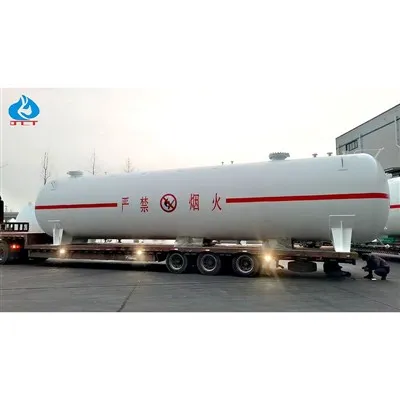
LNG storage tanks hold large amounts of liquefied natural gas. When shutting down a storage tank, in addition to the general steps, we need to pay special attention to the liquid level. We make sure to transfer the LNG to other storage facilities if necessary. Also, we need to monitor the tank for any signs of thermal stress due to the temperature changes during shutdown.
LNG Vaporizers
LNG vaporizers are used to convert the liquefied gas back into a gaseous state. When shutting down a vaporizer, we first stop the flow of LNG into it. Then we let the remaining heat in the vaporizer dissipate. We also need to check the heat exchange surfaces for any signs of freezing or damage.
LNG Compressors
LNG compressors increase the pressure of the gas. During shutdown, we need to carefully control the speed reduction of the compressor. Sudden stops can cause vibrations and damage to the compressor components. We also need to lubricate the compressor properly before shutdown to prevent wear and tear during storage.
Post – Shutdown Maintenance
Shutting down the equipment is just the first step. After the equipment is shut down, we need to do some maintenance work to keep it in good condition.
- Cleaning: We clean the equipment to remove any dirt, debris, or LNG residues. This helps to prevent corrosion and keep the equipment running smoothly when it’s restarted.
- Lubrication: If the equipment has moving parts, we lubricate them according to the manufacturer’s recommendations. This reduces friction and wear.
- Inspection and Testing: We conduct a more detailed inspection of the equipment. This might include checking the electrical systems, mechanical components, and safety devices. We also test the equipment to make sure it’s still functioning properly before we plan to restart it.
Importance of Training and Documentation
As an LNG equipment supplier, I can’t stress enough the importance of training for the people who operate and shut down the equipment. Proper training ensures that everyone knows the correct procedures and can respond to emergencies if they occur.
Documentation is also crucial. We need to keep detailed records of all shutdowns, including the time, steps taken, and any issues that were encountered. This information can be used for future reference, troubleshooting, and continuous improvement of the shutdown procedures.
Wrapping Up and Encouraging Contact
Well, that’s pretty much what you need to know about the shutdown procedures for LNG equipment. Whether you’re operating a small LNG plant or a large – scale industrial facility, following these procedures is essential for safety and efficiency.
Specialty Gases If you’re in the market for LNG equipment or need more advice on shutdown procedures, don’t hesitate to reach out to us. We’ve got a team of experts who can help you choose the right equipment and answer any questions you might have. Just contact us, and let’s start a conversation about your LNG equipment needs.
References
- International Association of Oil & Gas Producers. (2020). Guidelines for LNG Plant Operations.
- American Petroleum Institute. (2019). Standards for LNG Equipment and Safety.
Xinxiang Jincheng Technology Co., Ltd.
As one of the most professional LNG equipment manufacturers in China, we’re featured by quality products and good service. Please rest assured to buy customized LNG equipment made in China here from our factory. For pricelist, contact us now.
Address: Industrial Park, Fengquan District, Xinxiang City, Henan Province, China
E-mail: cncd05@cryocontainer.com
WebSite: https://www.jinchengspecialgas.com/
