Hey there! I’m in the business of supplying Monolithic Refractories, and today I wanna talk about the abrasion resistance properties of these amazing materials. Monolithic Refractories
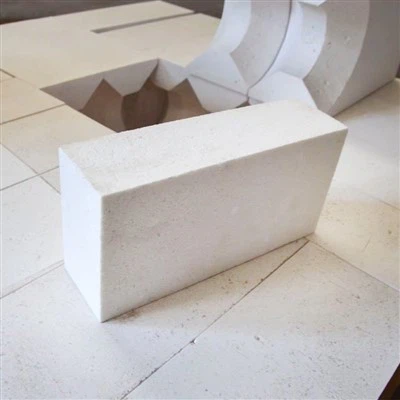
Let’s start by getting a basic understanding of what Monolithic Refractories are. They’re a type of refractory material that comes in a form that can be installed as a single unit, unlike the brick – type refractories. They offer a lot of flexibility in terms of shaping and installation. Monolithic refractories are used in a bunch of industries, such as steelmaking, cement production, and non – ferrous metal smelting.
Now, let’s dig into the abrasion resistance. Abrasion is basically the wearing away of a material’s surface due to friction caused by the movement of solids, liquids, or gases over it. When it comes to Monolithic Refractories, high abrasion resistance is super important.
In industries like steelmaking, the refractories are exposed to the constant movement of molten metal, slag, and hot gases. These substances are pretty rough on the refractory lining. If the Monolithic Refractory doesn’t have good abrasion resistance, it’ll start to wear down quickly, which can lead to a whole bunch of problems. For example, a worn – out refractory lining can cause leaks of molten metal, which is not only dangerous but also costly in terms of lost material and production downtime.
So, what makes Monolithic Refractories have good abrasion resistance? Well, it all starts with the raw materials. The choice of aggregates is crucial. Aggregates are the large particles in the refractory mixture. High – quality aggregates with good hardness and toughness are essential. For instance, materials like alumina, silicon carbide, and zirconia are often used. Alumina is a popular choice because it’s hard and has good chemical stability. Silicon carbide is also great as it has high thermal conductivity and excellent abrasion resistance, especially in high – temperature and abrasive environments.
The bonding system in Monolithic Refractories also plays a big role. There are different types of bonding agents, such as hydraulic, chemical, and ceramic bonds. The bond holds the aggregates together and gives the refractory its structural integrity. A strong bond can help prevent the aggregates from being dislodged during abrasion. For example, in a chemically bonded refractory, the chemical reaction between the bonding agent and the other components creates a strong matrix that can withstand the forces of abrasion.
Particle size distribution is another important factor. A well – graded particle size distribution means that there are particles of different sizes that fit together well. This creates a dense and compact structure, which enhances the abrasion resistance. Smaller particles can fill in the gaps between the larger aggregates, making the refractory more resistant to the penetration of abrasive materials.
The way the Monolithic Refractory is installed and cured also affects its abrasion resistance. Proper installation ensures that there are no voids or weak spots in the lining. If there are voids, abrasive materials can get into them and cause damage from the inside out. Curing is the process of allowing the refractory to dry and harden properly. If the curing process is not done right, the refractory may not reach its full strength and abrasion resistance potential.
Let’s talk about some real – world applications and how the abrasion resistance of Monolithic Refractories matters. In a cement kiln, the refractories in the burning zone are exposed to high – temperature clinker particles that are constantly moving. The abrasion resistance of the Monolithic Refractory lining here is crucial to ensure a long service life. If the lining wears out quickly, the kiln has to be shut down for maintenance, which can be very costly for the cement plant.
In the metal foundry, when molten metal is being poured and redirected through launders and troughs, the Monolithic Refractory linings are exposed to the abrasive flow of the metal. Good abrasion resistance ensures that these linings can handle the constant flow without getting too damaged, reducing the need for frequent replacements.
There are also different ways to test the abrasion resistance of Monolithic Refractories. One common method is the ASTM C704 test. In this test, a sample of the refractory is exposed to an abrasive blast of silicon carbide particles. The amount of material lost during the test is measured, and this gives an indication of the material’s abrasion resistance.
As a Monolithic Refractories supplier, I know how important it is to provide products with excellent abrasion resistance. We work hard to ensure that we source the best raw materials and use the right manufacturing processes. We also offer technical support to our customers regarding installation and curing, because we know that these steps are just as important as the quality of the refractory itself.
If you’re in an industry that requires high – performance Monolithic Refractories with great abrasion resistance, you should consider reaching out. We’ve got a wide range of products to suit different applications and conditions. Whether you’re in the steel, cement, or any other industry that needs refractories, we can help you find the right solution. We’re always ready to have a chat about your specific needs and see how our products can work for you.

So, if you’re interested in learning more or starting a purchase negotiation, don’t hesitate to get in touch. We’re here to make sure you get the best Monolithic Refractories for your business.
Sintered Refractory References
- ASTM International. (Year). ASTM C704 – Standard Test Method for Abrasion Resistance of Refractory Materials by Air – Blown Abrasive.
- Some industry reports on refractory materials and their applications. Although I don’t have specific titles here, these reports discuss the properties and usage of Monolithic Refractories in detail.
Zhengzhou Dezhong Corundum Materials Co., Ltd.
We are one of the most professional monolithic refractories manufacturers and suppliers in China, specialized in providing high quality customized service for global clients. We warmly welcome you to buy high-grade monolithic refractories made in China here from our factory.
Address: Yuhuangmiao Village, Goutang Town, Xinmi City, Henan Province
E-mail: 443131771@qq.com
WebSite: https://www.dzrefactory.com/
