What is the maintenance frequency of a High – Voltage Distribution Box?
As a seasoned supplier of high – voltage distribution boxes, I often encounter inquiries from customers about the appropriate maintenance frequency for these critical electrical components. High – voltage distribution boxes are at the heart of power distribution systems in various industries, from manufacturing plants to large commercial buildings. Proper maintenance is crucial to ensure their safe and efficient operation. High-Voltage Distribution Box
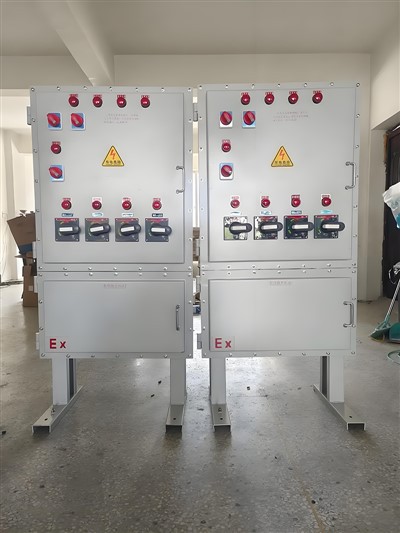
The Importance of Regular Maintenance
Before delving into the maintenance frequency, it’s essential to understand why regular maintenance is so vital. High – voltage distribution boxes are responsible for distributing electrical power at high voltages, which means any malfunction can have severe consequences. Electrical failures can lead to power outages, equipment damage, and even pose significant safety risks to personnel.
Regular maintenance helps to identify and address potential issues before they escalate into major problems. It ensures that all components within the distribution box, such as circuit breakers, fuses, and busbars, are in good working condition. By detecting early signs of wear and tear, corrosion, or loose connections, maintenance can prevent unexpected breakdowns and extend the lifespan of the distribution box.
Factors Affecting Maintenance Frequency
Several factors influence the optimal maintenance frequency of a high – voltage distribution box. These factors need to be carefully considered to determine a customized maintenance schedule for each specific application.
Operating Environment
The environment in which the high – voltage distribution box operates plays a significant role. In harsh environments with high levels of dust, moisture, or corrosive substances, the maintenance frequency may need to be increased. For example, in a chemical processing plant, where there are often corrosive gases in the air, the distribution box may be more prone to rust and corrosion. In such cases, the interior components may require more frequent inspection and cleaning to prevent degradation.
On the other hand, in a clean and controlled environment, such as a data center with proper air filtration and temperature control, the maintenance frequency can be relatively lower. However, even in these ideal conditions, regular inspections are still necessary to ensure long – term reliability.
Load Conditions
The load placed on the high – voltage distribution box is another crucial factor. If the distribution box is operating at or near its maximum capacity for extended periods, the components will experience more stress. This increased stress can lead to faster wear and tear, potentially requiring more frequent maintenance.
For instance, in a manufacturing facility that runs 24/7 with high – power machinery, the distribution box is under continuous high load. In contrast, a small office building with relatively low – power equipment may have a lower load on its distribution box, allowing for a less frequent maintenance schedule.
Age of the Equipment
Older high – voltage distribution boxes generally require more frequent maintenance. As components age, they become more susceptible to failures due to factors such as material fatigue, insulation degradation, and contact wear. A well – maintained distribution box that is approaching the end of its expected lifespan may need to be inspected and serviced more often to ensure it continues to operate safely.
Manufacturer’s Recommendations
The manufacturer of the high – voltage distribution box typically provides maintenance guidelines based on their product’s design and specifications. These recommendations are a valuable starting point for determining the maintenance frequency. Manufacturers have extensive knowledge of their products and can offer insights into the expected performance and maintenance needs under different conditions.
It’s important to note that while following the manufacturer’s recommendations is crucial, site – specific factors should also be taken into account to develop a comprehensive maintenance plan.
General Maintenance Frequency Guidelines
Based on industry best practices and my experience as a supplier, here are some general maintenance frequency guidelines for high – voltage distribution boxes:
Visual Inspections
Visual inspections should be conducted at least once a month. During these inspections, trained personnel should check for any visible signs of damage, such as cracks in the enclosure, loose connections, or signs of overheating (such as discoloration of components). They should also look for any signs of moisture, dust, or debris inside the box.
Electrical Testing
Electrical testing, such as insulation resistance testing and contact resistance testing, should be performed annually. These tests help to assess the electrical integrity of the components and detect any potential issues that may not be visible during visual inspections. Insulation resistance testing, for example, can identify any degradation of the insulation material, which could lead to electrical leakage or short circuits.
Component Maintenance
Certain components within the high – voltage distribution box may require more frequent maintenance. Circuit breakers, for instance, should be inspected and maintained at least every two years. This includes checking the operation of the trip mechanism, cleaning the contacts, and performing any necessary adjustments.
Fuses should be checked regularly (at least quarterly) to ensure they are in good condition. Any blown fuses should be replaced immediately with the correct rating.
Busbars, which are the main conductors that distribute power within the box, should be inspected for signs of corrosion or damage at least once a year. If any issues are detected, appropriate measures should be taken, such as cleaning or replacing the busbars.
Overhaul and Full Maintenance
A comprehensive overhaul and full maintenance of the high – voltage distribution box should be carried out every five to seven years. This involves disassembling the box, thoroughly cleaning all components, and replacing any worn – out parts. It also includes performing in – depth electrical testing to ensure the overall performance of the box meets the required standards.
Developing a Customized Maintenance Plan
While the general guidelines provide a starting point, it’s essential to develop a customized maintenance plan for each high – voltage distribution box. This plan should take into account all the factors mentioned earlier, such as the operating environment, load conditions, age of the equipment, and manufacturer’s recommendations.
When developing the plan, it’s advisable to involve experienced electrical engineers or maintenance professionals. They can assess the specific requirements of the distribution box and design a maintenance schedule that ensures optimal performance and safety. The plan should also include a detailed record – keeping system to track all maintenance activities, including inspection dates, test results, and any component replacements.
Conclusion
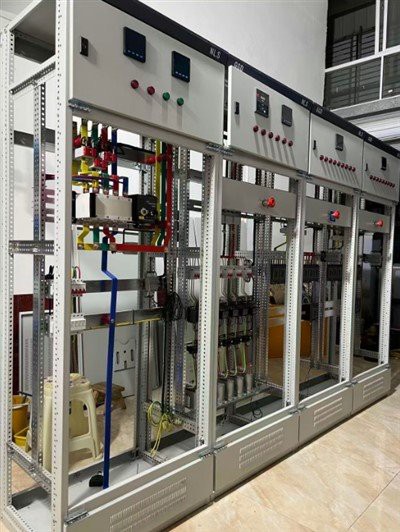
In conclusion, the maintenance frequency of a high – voltage distribution box depends on a variety of factors, including the operating environment, load conditions, age of the equipment, and manufacturer’s recommendations. By following a well – designed maintenance plan, which includes regular visual inspections, electrical testing, component maintenance, and periodic overhauls, the reliability and safety of the distribution box can be significantly enhanced.
Tertiary Distribution Box As a supplier of high – voltage distribution boxes, I am committed to providing not only high – quality products but also the necessary guidance on maintenance. If you are in need of a high – voltage distribution box or have questions about maintenance requirements, I encourage you to reach out to me. Let’s discuss your specific needs and ensure that your power distribution system operates smoothly and safely.
References
- Electrical Equipment Maintenance Handbook, Industry Standards Publishing
- High – Voltage Distribution Systems: Design and Maintenance Guidelines, Electrical Engineering Institute Press
- Manufacturer’s Manuals for High – Voltage Distribution Boxes
Anhui Nanxian Electric Co., Ltd.
With abundant experience, we are one of the most professional high-voltage distribution box manufacturers and suppliers in China. We warmly welcome you to buy advanced high-voltage distribution box for sale here and get quotation from our factory. All customized products are with high quality and low price.
Address: Factory Unit 03-2, Building 21, Feidong Yinfeng Industrial Park Co., Ltd., Northeast Corner of Manquan Road and Changle Road, Hefei Circular Economy Demonstration Park, Feidong County, Hefei City, Anhui Province.
E-mail: 541580567@qq.com
WebSite: https://www.nxelepower.com/
