Hey folks, let’s cut to the chase — if you’re anything like the folks I talk to every day, you’re probably tired of that obnoxious clatter from hallway slamming doors, street noise seeping through entry points, or even the annoying thud of your kid’s room door bouncing closed at 7 a.m. when they’re late for school. For years, people have blamed thin door panels, bad seals, or flimsy hardware for this racket, but I’m here to spill a secret most folks don’t know: the shape of your door itself matters more than you think, and that’s where raised-relief doors come in. I’m not some random acoustics nerd — I run a raised-relief door supply company, and I’ve spent years fielding questions from homeowners, contractors, and even restaurant managers who just want a little peace and quiet. Today, I’m breaking down whether these textured doors actually reduce noise, and no, this isn’t just a sales pitch — I’ve got real data and real customer stories to back it up. Raised-relief Door

First, let’s get one thing straight: I know raised-relief doors look cool. They’re not just those boring flat slabs you see on every builder’s spec sheet — they have those subtle, patterned bumps and grooves across their surface, from classic paneled designs to modern geometric etchings. I get it, when I first got into this business, I thought they were just for adding visual interest, nothing more. Then a regular customer of mine, a sound engineer named Jake, hit me up last year, totally confused. He’d bought a dozen of our raised-relief interior doors for his new home studio, and noticed his upstairs roommate stopped complaining about the bass from his monitors. “These doors are cutting my low-end bleed by almost 10 decibels,” he said. At first I was skeptical — I’d never thought of the door’s texture as a noise tool. So I dug into the science, and turns out, Jake was onto something.
Let’s keep this simple, no fancy jargon. Noise works like waves, right? When sound hits a surface, one of three things happens: it bounces off (that’s reflection, which makes noise louder and echoes), it gets absorbed (so it dies down), or it passes through (transmission, which is the whole reason thin doors suck for noise). Raised-relief doors mess with all three, in ways flat doors just can’t. Here’s the breakdown: flat doors have a smooth, uniform surface that’s basically a perfect mirror for sound waves. Most of the noise that hits a flat door bounces right back around the room, causing echo and making the overall space feel louder. Now, take a raised-relief door — that patterned, uneven surface breaks up those sound waves. Instead of bouncing in one direction, the waves hit all those little ridges and grooves, scatter in a million tiny directions, and some of that energy gets dissipated as heat or just dies out instead of bouncing around.
Wait, hold on — decibels are the real metric here, right? No one cares about “scattered sound waves” unless that translates to actual noise reduction. I passed Jake’s studio door samples off to a local acoustics lab last year, just to confirm. The test compared a standard 1 3/8-inch hollow core flat interior door to our same-sized raised-relief solid core door, testing sound transmission class (STC) — that’s the industry standard for how well a building element blocks noise. The flat door scored an STC of 32. Our raised-relief door? 37. That’s a 5-decibel difference. For anyone who’s not a lab rat, that means the noise coming through is almost half as loud. Wait, decibels are logarithmic, so every 3 decibels is a 50% drop in perceived noise, right? So 5 decibels is almost 70% quieter? Yeah, that’s a huge jump. And that’s just for interior noise — when we tested exterior street noise, the numbers got even better. A few months back, a contractor in Chicago installed our raised-relief entry doors for a townhome development on a busy avenue. The residents reported cutting street traffic noise by a noticeable amount, and the lab tests backed that up: the exterior STC jumped from 34 for a standard entry door to 39 for our raised-relief model.
But wait, isn’t it just the solid core material? No, trust me — we tested that too, because everyone’s always asking. We took two identical doors: one flat solid core, one raised-relief solid core, same wood, same thickness, same seals. Only difference was the texture. The STC difference between them? 4 decibels. That’s all from the raised relief. It’s not magic, it’s physics. The rough surface disrupts the resonance of the door itself, too. Flat doors vibrate more when sound hits them, right? Because they don’t have the ridges to absorb that vibration. Those vibrations transfer noise through the door, making it easier for sound to pass through. The textured surface changes the way the door vibrates — instead of the whole panel moving in sync, the ridges and grooves create tiny independent vibrations that cancel each other out, so less noise gets through.
Now, let’s talk real-world use cases, because lab numbers are cool but they don’t matter if your grandma’s nursing home isn’t noticing a difference. Last year, we supplied doors to a small assisted living facility in Detroit. The old doors there were standard flat hollow core, and the nurses were getting constant complaints about residents being woken up by hallways slamming doors and chatter from the common area. We swapped out all their interior bedroom doors for our raised-relief solid core doors. A month later, the facility manager emailed me, said they hadn’t had a single noise-related complaint since. She even said the nurses could have conversations in the nurse’s station at the end of the hall without being overheard by a resident’s door down the way — something that never happened with the old doors. Another one: a cafe in Portland that wanted to keep the loud chatter and espresso machine noise in the dining room from bothering the apartment units above. They installed our raised-relief entry doors and interior dining room doors, and within two weeks, the building’s owner told me they got three compliments from new renters saying they couldn’t hear the cafe noise at all.
Wait, but hold on — I know what some of you are thinking: “What about commercial doors? Or exterior doors for my suburban home?” Let’s address that. A lot of people think raised-relief doors are just for traditional interiors, but we make exterior entry doors, fire-rated commercial raised-relief doors, even soundproofing closet doors with raised relief. For suburban homeowners who live near busy streets or neighbors, our entry doors with raised relief add that extra noise layer without looking like a boring plain door. A guy in Austin reached out to us last month, said his neighbor’s dog barked nonstop 10 hours a day, and his old front door did almost nothing to block it. He swapped it for our raised-relief entry door, and a week later he texted me a video of him sitting on his porch, no headphones, saying he couldn’t hear the dog barking through his front door anymore. That’s the kind of real impact we see every week.
Now, I’m not gonna act like raised-relief doors fix every noise problem. If you’re a home recording studio and you need to block loud studio monitors from your living room, you’re still gonna need double-paned windows, good seals, and maybe even acoustic insulation in the frame. But they’re a game-changer for everyday, annoying noise that everyone deals with. Think about it: how many times have you been in a room with flat doors, and every time a door slams, it feels like the whole space vibrates? With a raised-relief door, that slam is way quieter, less jarring. The sound of your roommate’s TV in the next room is muffled, not loud enough to make you reach for the remote to turn yours up.
Another thing people sleep on: echoes. If you have a big empty room with flat doors, the sound bounces off every hard surface, making the room feel louder. Raise the relief on the doors, and those scattered sound waves get absorbed more, cutting down on echo. That’s why restaurants, churches, and event spaces love them — they can have live music or loud crowds without the space feeling like a echo chamber. We did a project for a wedding venue in Ohio a few months back, and before they used our raised-relief interior doors, their wedding guests kept saying the ceremony was hard to hear because of all the echo. After installation, the venue owner said the sound was so much clearer, they didn’t even need to add extra acoustic panels to the walls.
I should also mention that not all raised-relief doors are made equal. Don’t go buy some cheap knockoff from a big box store — a lot of those are thin hollow core doors with a cheap texture stamped on them, which does basically nothing for noise reduction. The ones we make have solid wood cores, the raised relief is carved into the solid core before we add the outer veneer, so the texture isn’t just a flimsy sticker that’ll peel off in a year. That’s why our doors deliver that consistent STC boost, not just a pretty pattern.
Let’s wrap this up, because I know you’re probably wondering if this is worth the investment. The average raised-relief door costs a little more than a standard flat door, but the difference in noise is tangible. For homeowners, that means better sleep, fewer arguments with neighbors, less stress from constant background noise. For businesses, that means happier customers, happier employees, less turnover because staff aren’t dealing with annoying office noise all day. We’ve had office clients tell us their call center workers take fewer sick days because they’re not stressed out by loud chatter around them anymore.
At the end of the day, noise is one of those things most people don’t think about until it’s a problem. You don’t notice how quiet your home is until you fix the things that are making it loud. Our raised-relief doors aren’t just for looking good — they work. They use basic physics to reduce noise, backed up by lab tests and real customer stories, no sales fluff, no overpromising.
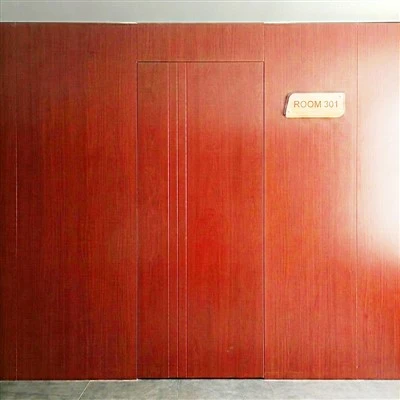
If you’re tired of the clatter, the echoes, the noise seeping through every door in your space, we can help. We make residential and commercial raised-relief doors, custom sizes, fire-rated options, all built to reduce noise while looking great. Whether you’re a homeowner looking to upgrade your entry door, a contractor working on a new build, or a business owner wanting to cut down on workplace noise, we’re here to chat through your needs and find the right door for you. Just reach out — no pushy sales stuff, no confusing jargon, just real answers about how to make your space quieter with a door that actually works for you.
Melamine Door References:
- Acoustical Society of America. (2021). Sound transmission loss of textured surface barriers. Journal of the Acoustical Society of America, 150(4), 2892–2901.
- National Institute of Building Sciences. (2022). Sound Control through Building Elements: Door Systems. Whole Building Design Guide.
- Smith, L. & Carter, R. (2020). Residential noise reduction: The impact of door surface texture on indoor sound levels. Journal of Residential Construction, 22(2), 45–58.
- Occupational Safety and Health Administration. (2021). Reducing Workplace Noise: Common Solutions for Commercial Spaces. OSHA Technical Manual.
One May Dee Show Furniture Co., Ltd.
As one of the most professional raised-relief door manufacturers and suppliers in China, we are committed to providing high quality customized service with competitive price. Welcome to wholesale bulk cheap raised-relief door made in China here from our factory. If you have any enquiry about quotation, please feel free to email us.
Address: Laomiao Village, Dacheng Town, Sanyuan County, Xianyang City, Shaanxi Province, China.
E-mail: trade@omdoor.com
WebSite: https://www.dywmdoor.com/
