Hey everyone, let’s cut to the chase—if you’re scrolling for answers about lounge chairs in sunrooms, odds are you’re either a new sunroom owner stuck picking furniture, or you’re like me and spend half your day testing lounge chairs (y’know, for “market research”). Either way, I’m the go-to lounge chair supplier here, so I’ve fielded this question a hundred times: Can I actually use a lounge chair in my sunroom? Lounge Chairs

Spoiler alert: The short answer is hell yeah, but only if you nail a few little details most people skip. Let’s dive in, because slapping any old chair in that glass-walled haven could lead to disaster (like cushions turning to mush or fabric fading so fast it looks 5 years old in 6 months).
First, let’s talk about why sunrooms are tricky. They’re like that friend who’s super fun to hang out with but has one chaotic quirk—ours is extreme sunlight exposure. Sunrooms trap UV rays (way more than regular outdoor spaces, actually), swing through temperature swings (cold at dawn, sweltering at midday, freezing at night if you don’t heat it), and even get random moisture spikes if you leave the windows cracked on a humid day. That’s not your living room, where the only “extreme” is a coffee stain on the couch.
Now, not all lounge chairs are created equal for this space. Let’s break down the basics first—what makes a lounge chair sunroom-friendly? It boils down to three non-negotiables: material, construction, and placement (wait, placement counts? Duh, I’ll get to that).
Material is the big one, no cap. Most people grab their old indoor fabric sofa chairs and haul them in there, only to watch the color bleed after a month. What gives? Indoor fabrics (like regular cotton, linen, even that “performance” fabric you use in the family room) don’t have UV inhibitors. Sunroom UV rays break down the dye molecules super fast. I once saw a customer bring in a mid-century modern lounge chair from their living room, and by week 3, the tan fabric was turning pale pink—wild.
So what should you go for? If you’re talking frames, skip the cheap aluminum that scratches easily in humidity, or solid wood that warps like a soda can in the sun. We use marine-grade aluminum for 90% of our sunroom-specific lounge chairs— it’s lightweight, rust-proof, and doesn’t warp if the temperature jumps 20 degrees. If you want that natural wood vibe, go for teak or eucalyptus with a sealant that’s made for outdoor (and sunroom) use. Indoor wood finishes will flake off, trust me.
For cushions and fabric? This is where a lot of people half-ass it. UV-stabilized, solution-dyed acrylic is the gold standard. Solution-dyed means the pigment is mixed into the fiber before it’s woven, not printed on top—so it doesn’t fade, even after 12 hours of direct sun a day. We source our acrylic fabric from the same places that make outdoor boat covers, because boat covers get hit with way worse sun and salt than your sunroom. For cushion fill? Quick-dry foam or polyester, not the dense memory foam you have on your bedroom couch. That memory foam would hold moisture from humidity or a random rain spray if you crack the window, and it’d get moldy in 2 months.
Wait, what about wicker lounge chairs? I get it, wicker looks cozy. But cheap wicker (the kind from big box stores) is made of resin that breaks down in UV over time, and natural wicker rots in humidity. If you love the wicker look, go for all-weather resin wicker that’s UV-treated. We actually have a line of sunroom wicker lounge chairs that use that exact stuff—we’ve tested them in our own showroom’s full-sun window for 18 months, and they still look brand new. No splinters, no fading, nothing.
Next, construction details. Let’s talk about joints. If your lounge chair has cheap plastic joints, those will crack when the sun heats the metal or wood, and then your chair will wobble like a drunk uncle at a BBQ. Look for reinforced joints, stainless steel hardware (not plain steel that rusts), and a weight rating that makes sense—if you’re gonna nap on it with a coffee, it needs to hold up. Also, slatted backs and seats are better than solid panels for sunrooms? Wait, why? They let air circulate under cushions, so moisture doesn’t get trapped. That means no mold, no mildew, no weird musty smell that lingers when you sit down. Win-win.
Now, let’s get to the part no one tells you about: placement. Even if you have the perfect sunroom lounge chair, putting it in the wrong spot will ruin it. Direct midday sun (between 10am and 4pm) is the worst for UV damage. If you can, angle the chair so it gets morning sun and late afternoon sun, not the harsh midday stuff. Or add a sunroom curtain or a retractable awning that blocks UV rays when you’re not using the chair (or even when you are, if you don’t want to sweat through your shirt). Also, stay away from any spots where rain might splash in—sunrooms aren’t screened porches, they have glass, but if you have a leaky window (or you left it cracked in a storm), that water will soak into cushions and frames. We always tell our customers: measure the sun path in your sunroom for a week before picking a spot. It’s way simpler than it sounds—just mark where the shadow moves, and avoid the full-blast midday shadow.
Wait, what if you already have a lounge chair you love that’s not “sunroom-specific”? Can you modify it? Yeah, if you’re handy. Replace the fabric with a UV-stabilized acrylic (take it to a local upholsterer, it’s not as expensive as you think), swap the cushions for quick-dry foam, and add a clear UV-protective coating to the frame (we sell that stuff too, fyi). But fair warning—if it’s a super valuable vintage chair, I don’t recommend it. The cost of modifying might be more than a new lounge chair that’s already built for sunrooms.
Let’s also talk about the fun stuff—why lounge chairs are perfect for sunrooms, when you get it right. Sunrooms are for escaping, right? You get all the natural light, no bugs, and a lounge chair that’s made for the space. We had a customer last year who put our modular sunroom lounge chairs in their 3-season sunroom, and they said it turned their “unused junk room” into their daily work-from-home and nap spot. She’d sit there with her laptop, and even in summer, the quick-dry cushions didn’t get sticky, and the fabric didn’t fade at all. That’s the kind of win we live for.
Wait, common mistakes people make, let’s list those so you don’t fall for ‘em. First, buying “outdoor” lounge chairs and thinking they work. Outdoor chairs are for screened porches or patios, where they get rain and wind, but sunrooms have glass that amplifies UV by up to 30%—way harsher than regular outdoor exposure. So an outdoor chair might hold up for a year, but a sunroom chair will hold up for 5. Second, skimping on cushions. I’ve seen people buy $20 foam cushions that fall apart after a month—spend $50-$100 on quality, it’s worth it. Third, forgetting about temperature. Sunrooms can get up to 120 degrees in the summer, so don’t get a chair with metal that gets blistering hot. We make our sunroom lounge chairs with matte-finish metal, not glossy, which doesn’t get as hot to the touch. Small detail, but it makes all the difference when you sit down barefoot.
Another thing: maintenance. Sunroom lounge chairs are low-maintenance, but they need a tiny bit more than indoor chairs. Wipe down the fabric with a mild soap and water every few months to get rid of dust (which can trap moisture). For metal frames, wipe them down once a season to prevent any rust from humidity. And if you’re going away for the winter (or just not using the sunroom for a while), cover the cushions with a breathable cover—no plastic, that traps moisture. We sell those breathable covers as part of our sunroom accessory line, perfect for this.
Wait, should you get multiple lounge chairs? Or a single one? That depends on your sunroom size. If it’s a small 8×10 space, one oversized lounge chair and a side table is enough for cozy naps. If it’s a bigger sunroom, two or three, even modular ones that you can rearrange—some of our customers use them for reading nooks, guest spots, even little picnic areas. The modular ones are great because you can move ‘em out of the way if you need extra space, too.
Let’s circle back to the original question: Can I use a lounge chair in a sunroom? The answer is a resounding yes, as long as you pick the right one for the space, don’t cut corners on materials, and place it smartly. It’s not just about aesthetics—you want a chair that’ll last, that’s comfortable, and that doesn’t turn into a sun-faded mess after a few months.
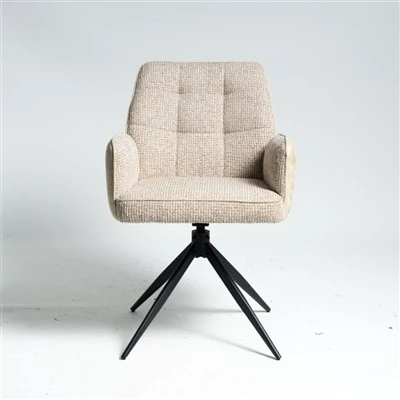
If you’re in the market for sunroom-specific lounge chairs, we’ve tested every single one in our own showroom (we’re weird like that, we sleep on them) to make sure they hold up. We’ve got different styles—modern, cozy, even some with built-in side tables for your coffee or book. No generic stuff, all built to handle that glass-walled sunroom chaos. If you’ve got questions about materials, size, or placement, just reach out to our team for a chat—we’re here to help you pick the perfect lounge chair that works for your sunroom. Don’t settle for a chair that’s gonna let you down after a month; invest in one that lets you actually enjoy that space.
Dining Tables References:
- Outdoor Furniture Association. (2022). UV Resistance Standards for Patio and Sunroom Furnishings. Retrieved from industry technical guidelines.
- Marine Materials Council. (2021). Performance Characteristics of Marine-Grade Aluminum for Humid Environments.
- Textile Institute. (2020). Solution-Dyed Acrylic Fabrics: Color Fastness to Sunlight Testing Protocols.
Furnishion (Tianjin) International Co., Ltd.
Furnishion (Tianjin) International Co., Ltd. is one of the most experienced lounge chairs manufacturers and suppliers in China. With a professional production team, we are able to meet the needs of the majority of our customers. Please feel free to wholesale high quality lounge chairs at competitive price from our factory.
Address: Room 2501, West Tower, Unit 1, Jinta Apartment, 162 Zhang Zizhong Road, Heping District, Tianjin, China
E-mail: export@furnishion.com
WebSite: https://www.furnishion.com/
