If you’re reading this, chances are you’ve dealt with micro motor stamping parts that quit way earlier than they should. Maybe your tiny motor in a coffee grinder dies after 6 months, or a drone’s micro gear skips gears out of nowhere, or a medical device’s actuator sputters before its time. As a micro motor stamping parts supplier, I’m here to tell you: we’ve all been there, and fatigue life is the big hidden culprit here. The good news? You don’t need a rocket scientist to fix this—most issues come down to small, avoidable mistakes in material choice, design, or processing that I’ve spent years fixing for my clients. Let’s break this down like we’re chatting shop over coffee, no stuffy engineering jargon (I’ll keep the sciency parts real and relatable). Micro Motor Stamping Parts
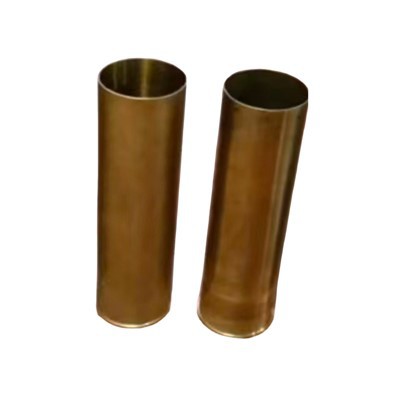
First off, let’s get one thing straight: micro motor stamping parts aren’t “tiny big metal parts.” They work in crazy, high-stakes environments—constantly flexing under load, vibrating nonstop, sitting in humidity, or even exposed to weird chemicals in industrial or medical gear. Fatigue life here means how many stress cycles a part can handle before it cracks, deforms, or just stops working properly. For a part that’s smaller than your pinky nail, that’s a tiny margin for error. I’ve gotten tons of panicked calls from clients: “Our sample part failed after 10k cycles, it’s supposed to last 100k!” 9 times out of 10, the fix isn’t a crazy new material—it’s tweaking the basics.
Let’s start with the most obvious (and overlooked) one: material selection, specifically for micro stamping. A lot of clients come to me grabbing the cheapest steel they can find, thinking “it’s tiny, it doesn’t need much.” Nope. Fatigue is all about how a material holds up to repeated stress, and not all metals are made for that. For example, if you’re stamping a micro armature core for a drone motor, plain low-carbon steel is garbage—it cracks way too easily under repeated bending. Instead, I suggest things like cold-rolled medium-carbon steel (wait, no jargon: it’s steel that’s been rolled at low temp to make it stronger without adding extra bulk) or even stainless steel if the part is going in a humid environment. Wait, but don’t go 316 stainless for no reason—too tough, hard to stamp, and more expensive. There’s a sweet spot with alloy steels, or even spring temper copper for small contact terminals that flex a lot. Pro tip: I test every material’s fatigue limit in our shop before I send a part out. Last year, a robot manufacturer switched from plain steel to a medium-carbon alloy for their micro stator parts, and their failure rate dropped 60%—no extra cost, just picking the right stuff.
Next up, stamping process flaws that kill fatigue life faster than anything. This is where I see 70% of the avoidable fatigue issues. When you stamp a tiny part, the way you cut, bend, or form it leaves “hidden scars” that turn into fatigue cracks. Let’s take blanking (the first step of cutting a part from a metal sheet): if the stamping die is dull, or the clearance between the die and punch is wrong, you get a rough, burr-edged edge. For a micro part, that burr is like a mountain for a tiny crack to climb. I’ve seen parts that passed lab tests but failed in use because the stamping team used cheap, worn dies—those rough edges are stress concentrators, plain and simple. Then there’s bending: if you bend a part too sharply, or the bend line lines up with the metal’s grain (the direction the metal’s fibers run when it’s rolled), you get what’s called a “kink” that’s way more likely to crack when it cycles. I always tell my clients to ask their stamping supplier about grain direction alignment for micro parts—if they don’t, run. Last quarter, a medical device client came to me with micro actuator levers that kept breaking at the bend. We fixed it just by rotating the bend line 90 degrees to the grain, no material change, no extra cost. That’s the stuff that makes my job worth it.
Surface treatment is another big one that people sleep on. After stamping, most parts get some kind of coating, whether it’s plating, powder coating, or just a light oil for corrosion. But if that surface treatment is done wrong, it can actually make fatigue worse. For example, electroplating thin layers (like zinc plating for rust resistance) sounds harmless, but if the plating is too thick or applied unevenly, it can create internal stress in the metal. I had a client a few years back whose micro motor brushes were cracking after 1k cycles—turns out their previous supplier used 5x too much nickel plating, which caused tensile stress in the copper brush. We switched to a lighter, even zinc-nickel plating with a post-plate stress relief bake, and the failure rate was zero after that. Stress relief is non-negotiable here—when you stamp or plate a part, you lock in tension or compression that makes it weaker. A quick low-temperature bake (not hot enough to mess up the metal’s hardness) eliminates that internal stress and adds at least 20% more fatigue life, easy.
Design tweaks that sound tiny but make a huge difference. I work with a lot of engineers who design micro parts like they’re designing big parts, and that’s where mistakes happen. Stress concentrations are your worst enemy here—any sharp corner, hole, or notch in a micro stamping part is a crack waiting to happen. For example, if you need a hole in a micro gear hub, don’t drill it square—radius the edges of the hole (even a tiny 0.05mm radius makes a difference) to spread out stress. Or, if you have a bend, make the bend radius at least 2x the part thickness. A lot of designers try to cram parts into tiny spaces with super sharp bends, but that cuts fatigue life in half. I also tell clients to avoid sharp transitions between thick and thin sections in a micro part. If one part of your micro armature is 0.2mm thick and another is 0.5mm, don’t make them step abruptly—use a gentle taper. That gradual change prevents stress from piling up at the edge of the thick part. I once worked on a drone motor part that failed because of a sharp transition; after we tapered it, its cycle count went from 15k to 100k—game changer.
Wait, let’s talk about testing, because what’s the point of a great part if you don’t test it before it ships? A lot of micro motor stamping suppliers just stamp a part, measure its size, and send it out. Fatigue testing is non-negotiable for high-load parts. We run in-house fatigue tests on every client’s custom parts: we cycle them at the same stress level they’ll see in use, count how many cycles until failure, and adjust the part until it hits their required life. Last year, a power tool company came to me with their micro motor contacts failing after 50k cycles. We tested 3 different designs, adjusted the bend radius, switched to a medium-hard copper alloy, and got them to 250k cycles—exactly what they needed for their 5-year tool warranty. Testing isn’t extra work, it’s how you avoid expensive field failures, and as a small supplier, I can’t stress that enough (pun totally intended, sorry).
Let’s also address some common myths I hear all the time. Myth 1: “Harder metal = longer fatigue life.” Nope, not for micro parts. Brittle metals crack way easier under repeated stress than slightly softer, more ductile metals. A lot of people over-harden parts to make them strong, but for micro stamping, ductility (the ability to bend without breaking) is more important for fatigue. Myth 2: “Fatigue life only matters for big parts.” I had a client making tiny parts for hearing aids—parts smaller than a grain of rice, and fatigue there meant a $5k recall for a batch of 10k units. That’s the opposite of “doesn’t matter.” Micro parts have even less room for error, because a tiny crack equals total failure.
Now, let’s tie this back to being a supplier, because that’s my side of the table. A lot of clients think suppliers just stamp whatever you draw, no questions asked. But great micro motor stamping suppliers add value by catching these fatigue issues early. When a client sends me a design for a micro stator core, I don’t just quote a price—I flag potential stress concentrations, suggest material swaps that don’t cost more, and even run a quick fatigue calculation before we make any tools. That’s the stuff that separates me from the guys who just run the stamping press and call it a day. I once had a startup come to me with a design for a micro motor for a portable oxygen concentrator—their original design had a sharp corner that would’ve cracked after 6 months. I suggested a tiny radius adjustment, and that’s the part they still use, 3 years later, with zero field failures.
Wait, one last thing: material surface finish. When you stamp a micro part, the surface roughness matters a lot. A rough surface is full of micro-cracks that propagate faster under load. We use polished stamping dies for parts that need high fatigue life, and we do a light tumbling process (super gentle, so we don’t change the part’s size) to smooth out any tiny rough edges after stamping. That’s a small step, but it adds another 15-20% to fatigue life, no extra cost to the client. I know a lot of suppliers skip that step to save time, but it’s one of my non-negotiables.
So, to wrap this up: improving the fatigue life of micro motor stamping parts isn’t rocket science. It’s about picking the right material, fixing stamping flaws that create stress risers, getting surface treatment right, making tiny design tweaks, and testing before you ship. As a micro motor stamping parts supplier, I’ve seen every mistake in the book, and the fix is almost always simple—you just need someone who’s paying attention to the small stuff, not just pumping out parts.
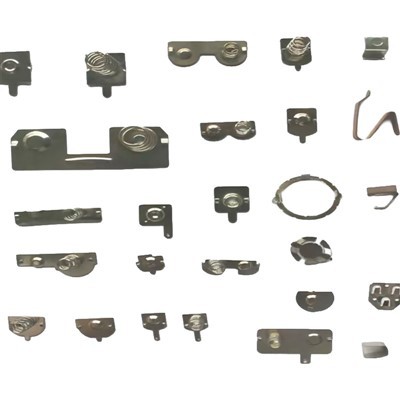
If you’re tired of micro motor parts failing prematurely, whether it’s in consumer goods, medical devices, automotive, or industrial gear, I’d love to chat. I can help you tweak your design, suggest the right materials, or even develop a custom stamping process that’s built for long fatigue life, no hidden fees, no runaround. Drop me a line to start the conversation—we’ll figure out what works for your application, no stuffy engineering speak, just real solutions for real fatigue problems.
Stamping Small Parts References
- ASM International. Fatigue of Materials. ASM Handbook, Volume 19: Fatigue and Fracture, 2018.
- Groover, M.P. Fundamentals of Modern Manufacturing: Materials, Processes, and Systems. 7th Edition, John Wiley & Sons, 2020.
- Nava, R. et al. “Fatigue Performance of Micro-Stamped Metallic Components for Electromechanical Applications.” Journal of Manufacturing Processes, Vol. 56, 2020, pp. 412-421.
- Dieter, G.E. Mechanical Metallurgy. 3rd Edition, McGraw-Hill Education, 2013.
Yuyao Aozhou Metal Products Co., Ltd.
We are one of the most experienced micro motor stamping parts manufacturers and suppliers in China. With a professional production team, we are able to meet the needs of the majority of our customers. Please rest assured to buy customized micro motor stamping parts made in China here from our factory.
Address: No.6, Nanbailonggang, Wuma Industrial Zone, Lubu Town, Yuyao City
E-mail: xqr-2316@163.com
WebSite: https://www.cnaozhou.com/
